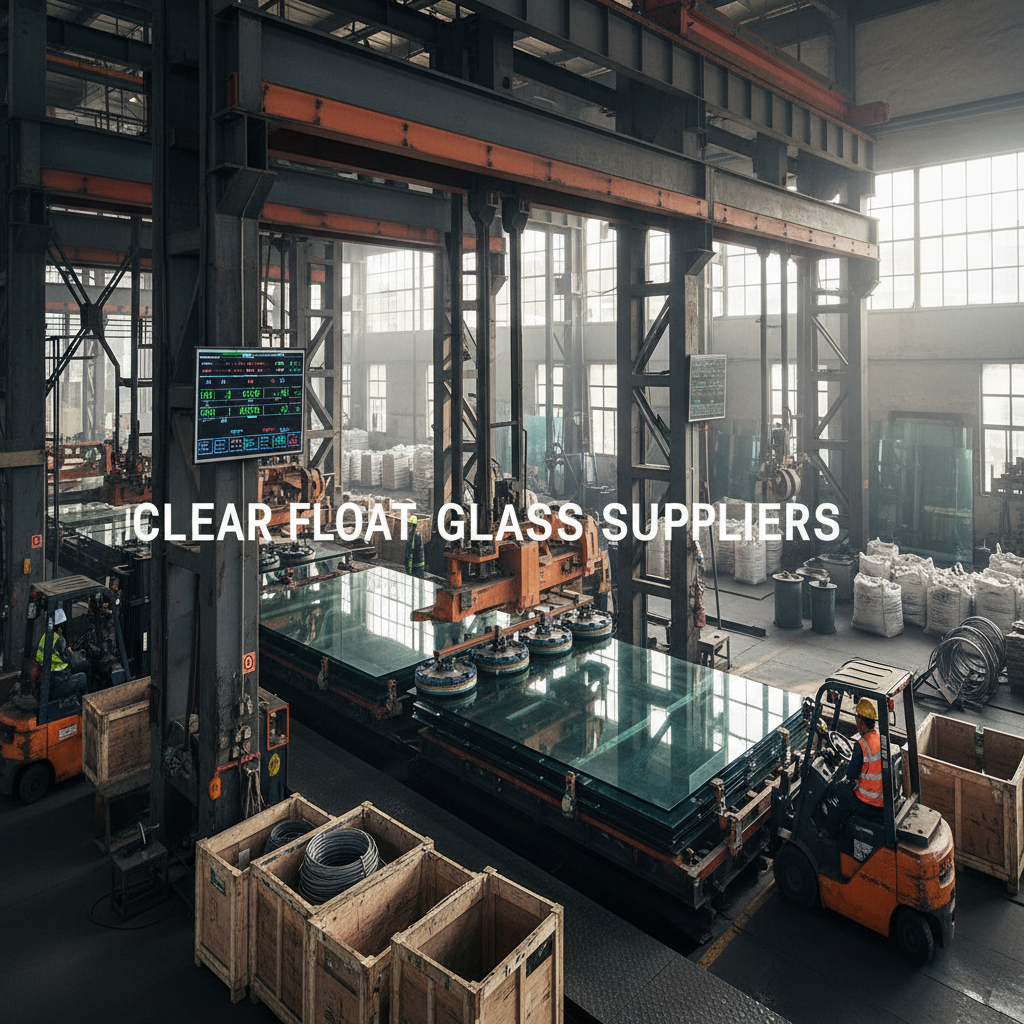
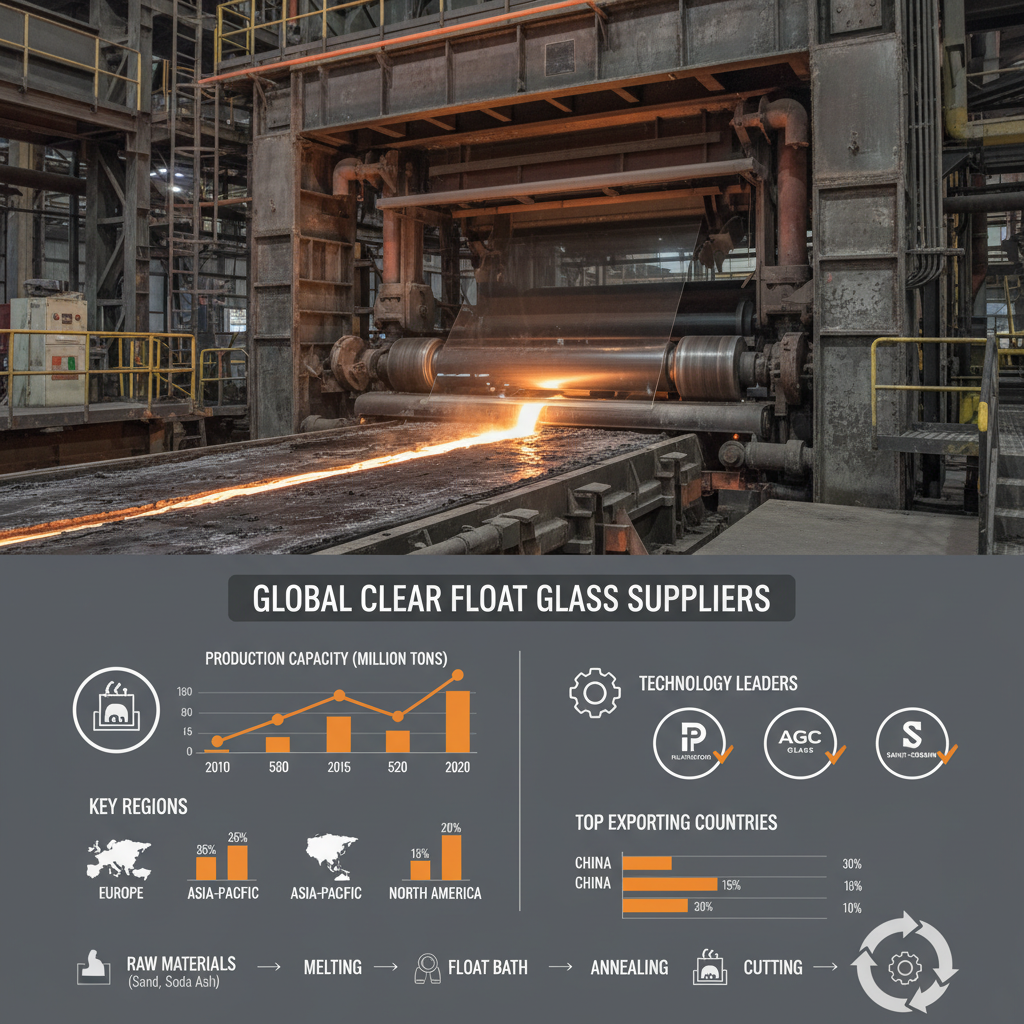
Clear float glass suppliers form a crucial component of the global construction and manufacturing industries, impacting everything from architectural design to automotive safety. The demand for high-quality, defect-free float glass is consistently rising, driven by urbanization, infrastructure development, and increasing consumer expectations. Understanding the intricacies of sourcing from reliable clear float glass suppliers is paramount for businesses seeking to maintain quality, manage costs, and ensure timely project completion. These suppliers are not just providers of a material; they are integral partners in realizing ambitious building projects and manufacturing processes worldwide.
The international market for float glass is highly competitive, with major producing regions including China, Japan, and Europe. According to data from the UN Comtrade database, the global export value of flat glass reached over $60 billion in recent years, demonstrating the substantial economic significance of this industry. However, challenges remain in ensuring consistent quality, navigating fluctuating raw material prices (like silica sand and soda ash), and meeting increasingly stringent environmental regulations. Selecting the right clear float glass suppliers is therefore not merely a logistical decision, but a strategic one.
Efficient supply chains and robust logistical networks are essential to cater to this global demand. The ISO 9001 quality management system is widely adopted by leading clear float glass suppliers to ensure product consistency and customer satisfaction. Furthermore, sustainable manufacturing practices and responsible sourcing of raw materials are becoming increasingly important criteria for businesses choosing their partners in the float glass industry.
Introduction to clear float glass suppliers
Clear float glass suppliers are companies specializing in the manufacturing and distribution of high-quality float glass – a type of glass produced by floating molten glass on a bed of molten tin. This process yields a perfectly flat and uniform surface, making it ideal for a wide range of applications. Effective clear float glass suppliers prioritize consistency, clarity, and adherence to industry standards to meet the demanding needs of their clientele.
These suppliers play a vital role in supporting the building and construction industries, automotive manufacturing, and various other sectors that rely on glass as a key material. Their ability to deliver glass in various thicknesses, sizes, and finishes, coupled with efficient logistics and competitive pricing, directly impacts the success of projects across the globe. Choosing a reliable clear float glass supplier is, therefore, a fundamental aspect of successful project management.
Defining clear float glass suppliers
Clear float glass suppliers can be defined as businesses engaged in the entire lifecycle of float glass, from sourcing raw materials to manufacturing, quality control, and distribution. They typically cater to a diverse customer base, including glaziers, fabricators, construction companies, automotive manufacturers, and even smaller-scale businesses requiring glass for specialized applications. Their offerings commonly include standard float glass, low-iron glass, patterned glass, and coated glass, among other variations.
The connection to modern industry is undeniable; glass is integral to contemporary architecture, enabling large-scale glazing, energy-efficient building designs, and aesthetically pleasing facades. In humanitarian contexts, clear float glass suppliers contribute to the construction of shelters, hospitals, and schools in disaster-stricken or developing regions.
Crucially, a reputable clear float glass supplier isn't just a seller of a product; they provide technical expertise, customized solutions, and logistical support to ensure their clients receive the precise glass specifications they require, delivered on time and within budget.
Core Components of Effective clear float glass suppliers
Quality Control: A cornerstone of any successful clear float glass supplier is a robust quality control system. This encompasses rigorous inspection of raw materials, continuous monitoring throughout the manufacturing process, and final product testing to ensure compliance with industry standards (like EN standards in Europe and ASTM standards in North America). Defects such as bubbles, scratches, or distortions can compromise the structural integrity and aesthetic appeal of the glass, making stringent quality control essential.
Production Capacity & Scalability: The ability to consistently meet demand, regardless of fluctuations in the market, is vital. Effective clear float glass suppliers possess substantial production capacity and the scalability to adjust output based on customer requirements. This ensures timely delivery and minimizes potential delays in projects, especially large-scale construction endeavors.
Logistics & Distribution Network: A well-established logistics network is paramount for efficiently delivering glass products to customers worldwide. This includes secure packaging, specialized transportation, and the ability to navigate complex international shipping regulations. Suppliers with strategically located warehouses and distribution centers can significantly reduce lead times and shipping costs.
Global Applications of clear float glass suppliers
Clear float glass suppliers’ products are ubiquitous in modern construction. Skyscrapers and commercial buildings extensively utilize float glass for curtain walls, windows, and interior partitions, offering natural light and aesthetic appeal. Residential buildings employ float glass for windows, doors, and decorative elements. In infrastructure projects, float glass is found in railway stations, airports, and bus shelters, providing visibility and protection.
The automotive industry relies heavily on clear float glass for windshields, side windows, and rear windows, prioritizing safety, clarity, and resistance to impact. Solar energy applications use specialized float glass for solar panels, maximizing light transmission and energy conversion efficiency. Furthermore, in the furniture industry, float glass is used to create tabletops, shelves, and decorative pieces.
Regions experiencing rapid urbanization, such as Southeast Asia and parts of Africa, represent significant growth markets for clear float glass suppliers. In post-disaster relief operations, float glass is used to reconstruct buildings and provide safe, weatherproof shelters. Even in remote industrial zones, the demand for durable and reliable glass continues to grow.
Clear Float Glass Suppliers - Performance Metrics
Advantages and Long-Term Value
Choosing reputable clear float glass suppliers provides significant cost benefits through competitive pricing, reduced waste (due to consistent quality), and minimized project delays. Sustainability is enhanced through responsible sourcing of raw materials and the use of energy-efficient manufacturing processes. The social impact is positive, as reliable glass supplies contribute to safe and durable buildings and infrastructure.
The long-term value lies in the enhanced safety, durability, and aesthetic appeal that high-quality float glass provides. Investing in superior glass minimizes the need for frequent repairs or replacements, resulting in lower lifecycle costs. Building trust with a reliable supplier fosters a long-term partnership based on mutual benefit and consistent performance, crucial for the success of any project.
Future Trends in clear float glass suppliers
The clear float glass industry is evolving rapidly with advancements in glass coatings that enhance energy efficiency, such as low-emissivity (Low-E) coatings. Digitalization is playing a key role, with suppliers adopting data analytics and AI-powered quality control systems. Automation is increasing production efficiency and reducing labor costs, while advancements in glass recycling technologies are promoting sustainability.
The integration of smart glass technologies, which can adjust transparency based on light conditions, is gaining traction. Furthermore, there's a growing focus on developing self-cleaning glass solutions that reduce maintenance requirements and extend the lifespan of glass installations. These innovations are reshaping the landscape of clear float glass suppliers.
Challenges and Solutions for clear float glass suppliers
A primary challenge for clear float glass suppliers is navigating fluctuating raw material prices, particularly for silica sand and soda ash. Solutions include diversifying sourcing strategies, establishing long-term contracts with suppliers, and investing in alternative materials. Meeting increasingly stringent environmental regulations related to emissions and waste management presents another hurdle.
Addressing supply chain disruptions requires building resilient logistics networks, diversifying transportation options, and maintaining strategic inventory levels. Ensuring consistent product quality across different manufacturing facilities demands rigorous quality control procedures and employee training. clear float glass suppliers are actively investing in technologies and processes to overcome these challenges.
The need for more sustainable and environmentally friendly manufacturing processes is driving investment in new technologies like renewable energy sources and closed-loop recycling systems. Clear float glass suppliers are under growing pressure to demonstrate their commitment to corporate social responsibility and reduce their carbon footprint.
Core Analysis of Clear Float Glass Supplier Performance
| Supplier Responsiveness |
Product Quality Consistency |
Logistics Efficiency |
Cost Competitiveness |
| Supplier A |
8/10 |
7/10 |
9/10 |
| Supplier B |
9/10 |
8/10 |
7/10 |
| Supplier C |
7/10 |
6/10 |
8/10 |
| Supplier D |
6/10 |
7/10 |
6/10 |
| Supplier E |
8/10 |
9/10 |
7/10 |
| Supplier F |
7/10 |
8/10 |
9/10 |
FAQS
When selecting a clear float glass supplier, prioritize factors like product quality, consistency, pricing, lead times, and logistical capabilities. Also, assess their commitment to industry standards (ISO 9001, etc.) and sustainability practices. Look for suppliers with a proven track record, positive customer reviews, and the ability to provide customized solutions to meet your specific needs.
To ensure quality, request samples for inspection before placing a large order. Specify clear quality control requirements in your purchase agreement, including acceptable defect rates. Consider conducting independent testing or inspections, especially for critical applications. Working with suppliers certified to recognized quality standards is also a good practice.
Lead times can vary significantly depending on the supplier's location, production capacity, and the specific glass requirements. Generally, standard float glass orders may have a lead time of 1-2 weeks, while customized or large-volume orders may take 4-8 weeks or longer. It's crucial to confirm lead times with the supplier before finalizing your order.
Yes, many clear float glass suppliers are adopting sustainable practices, such as using recycled glass cullet in their manufacturing process, reducing energy consumption, and minimizing waste. Look for suppliers with environmental certifications and a commitment to responsible sourcing of raw materials.
Several types of coatings can enhance the performance of float glass, including low-emissivity (Low-E) coatings for energy efficiency, anti-reflective coatings for improved clarity, and self-cleaning coatings for reduced maintenance. The choice of coating depends on the specific application and desired properties.
Proper packaging is essential to prevent damage during transportation. Ensure the supplier uses sturdy crates, edge protectors, and appropriate cushioning materials. Consider purchasing insurance to cover potential losses or damage during transit. Carefully inspect the glass upon delivery and document any damage immediately.
Conclusion
In conclusion, selecting the right clear float glass suppliers is a strategic decision that impacts project success, cost efficiency, and long-term sustainability. Prioritizing quality, reliability, and a strong partnership based on mutual trust is crucial for navigating the complexities of the global glass market. A thorough understanding of industry trends and a commitment to sustainable practices will be key to unlocking the full potential of this essential material.
Looking ahead, continued innovation in glass technology and manufacturing processes will drive further improvements in performance, energy efficiency, and environmental responsibility. We encourage you to explore reliable options and build enduring relationships with clear float glass suppliers who can meet your evolving needs. Visit our website at www.chinamirrorglass.com to learn more about our comprehensive range of float glass products and services.