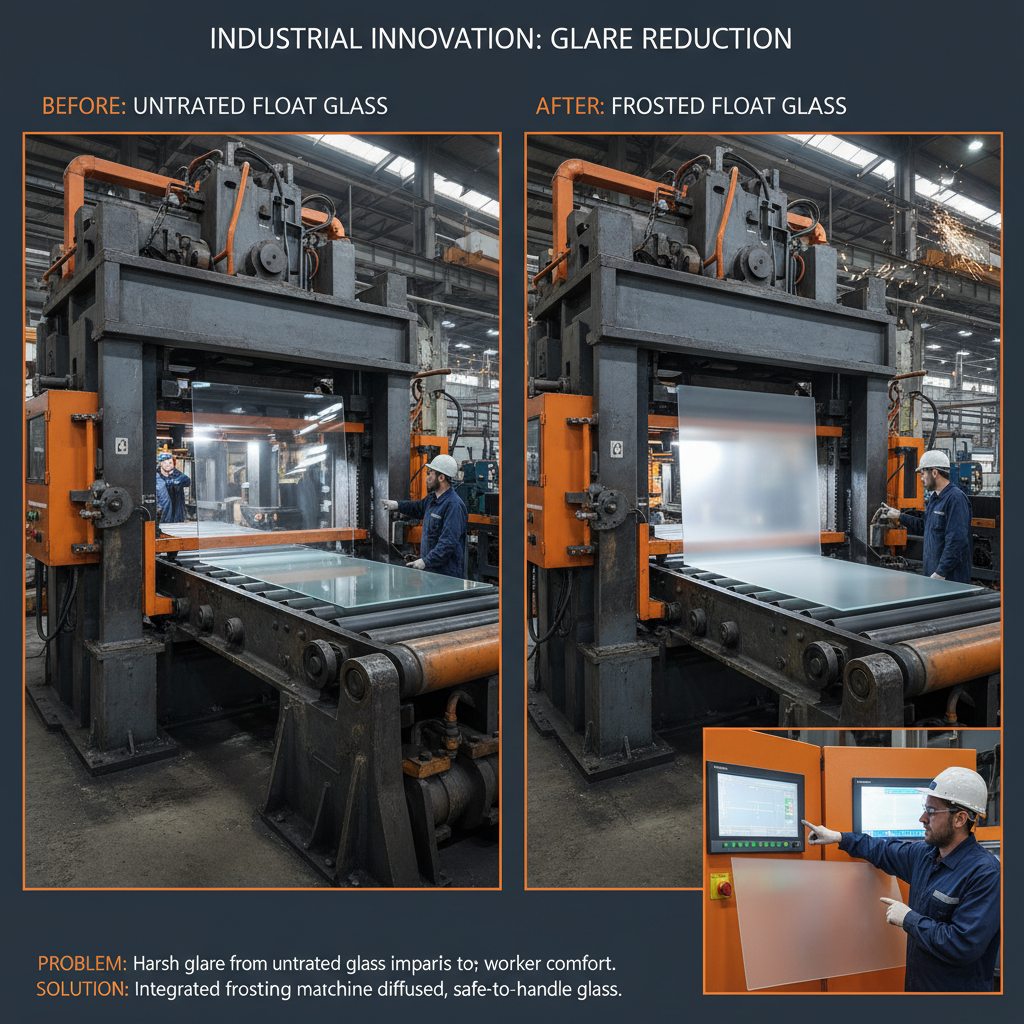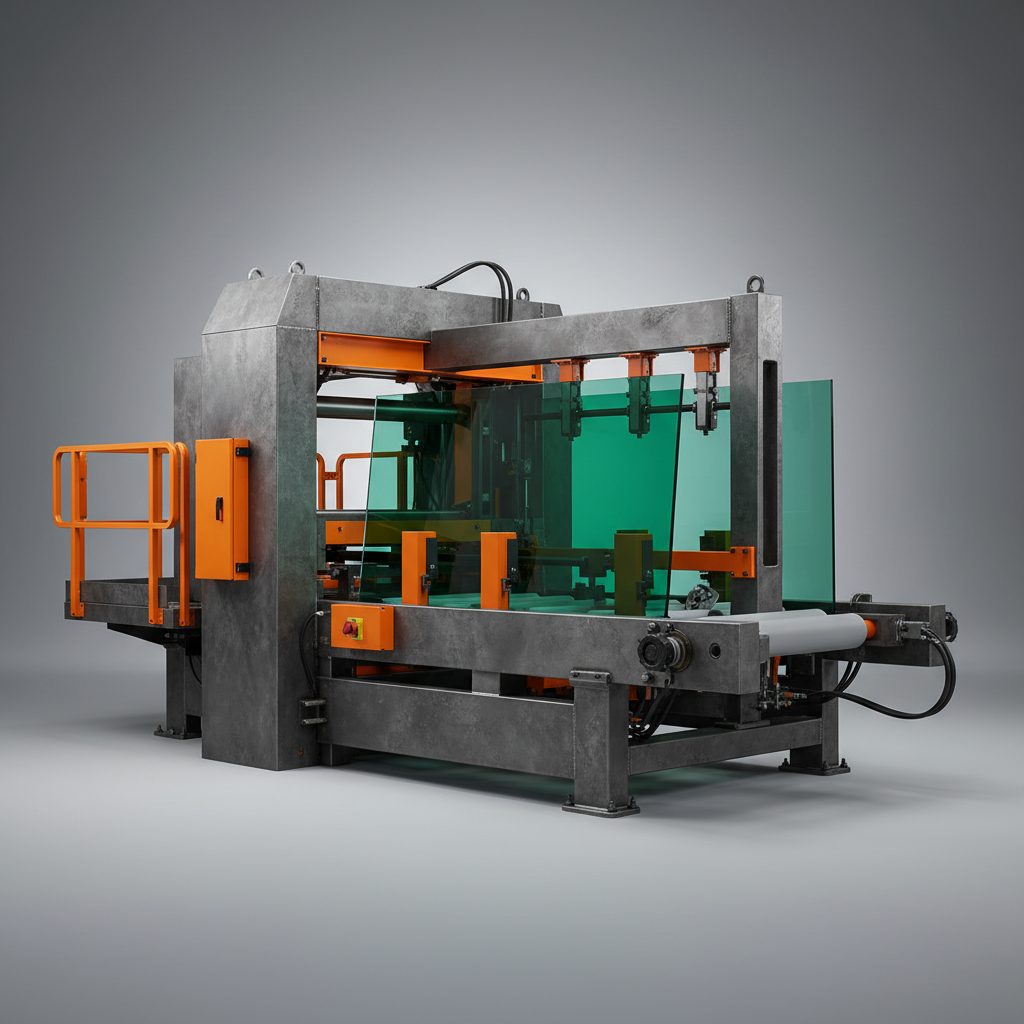
Exploring the Versatility and Sustainability of Green Float Glass Applications
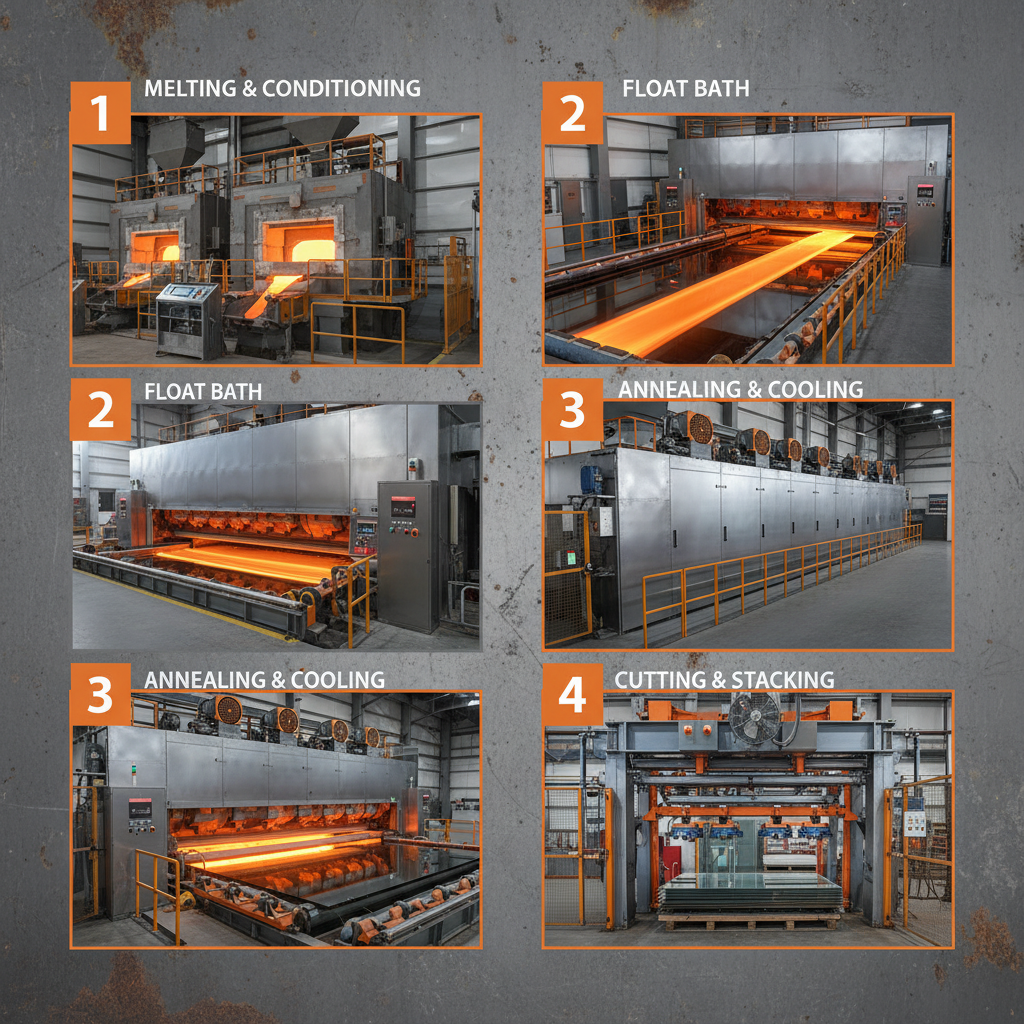
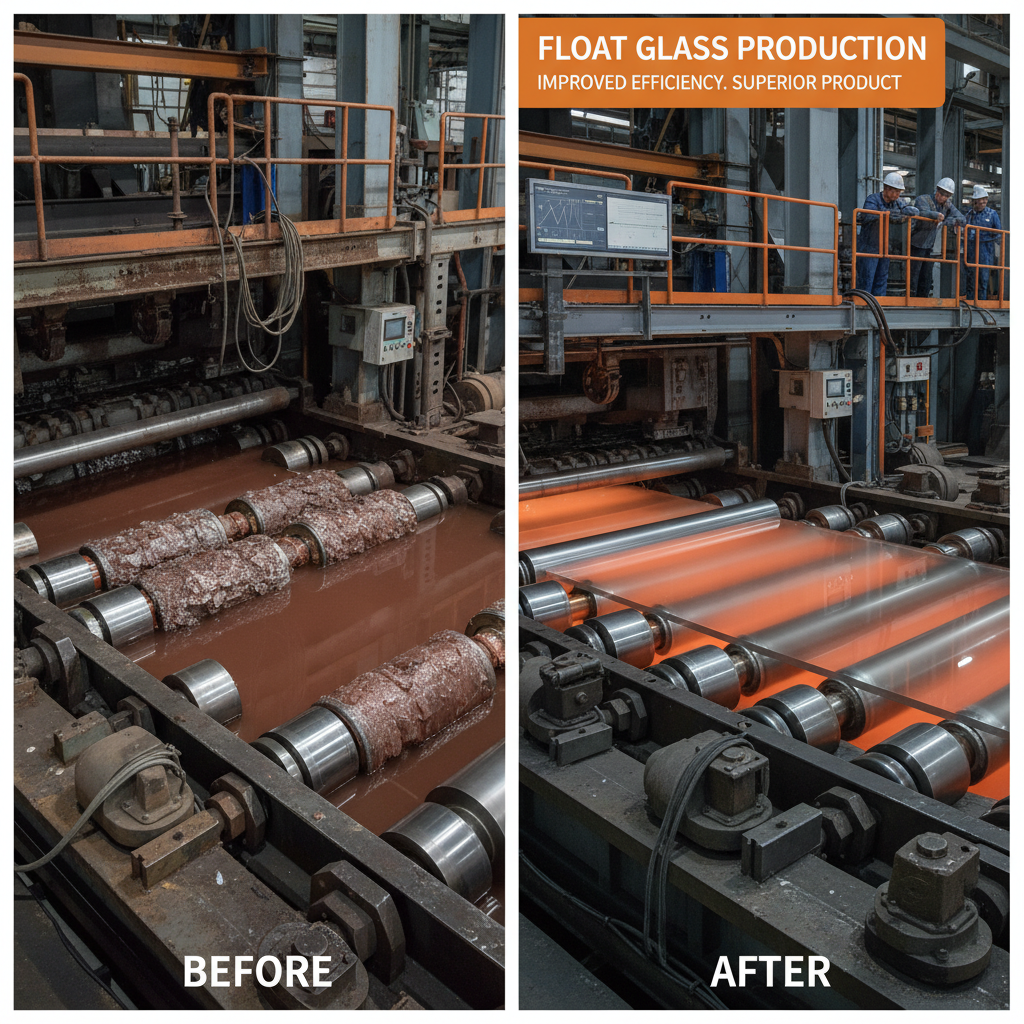
Green float glass is a fundamental material in modern construction and countless other applications, prized for its clarity, versatility, and cost-effectiveness. Its production process, perfected over decades, involves melting a precise mixture of silica, soda ash, and lime, then floating the molten glass on a bed of molten tin – a process that yields an exceptionally flat and uniform surface. Understanding the nuances of green float glass – its manufacturing, properties, and applications – is crucial for architects, engineers, manufacturers, and anyone involved in the built environment. Globally, the demand for green float glass continues to rise, driven by urbanization, infrastructure development, and a growing awareness of energy efficiency in buildings. The glass industry is a significant economic contributor, employing millions worldwide and generating billions in revenue. However, it also faces challenges related to sustainability, energy consumption during production, and the need for continuous innovation to meet evolving market demands. Focusing on green float glass provides a tangible path toward addressing these concerns.
Read more »



 By:Michael Thompson - March 11, 2026
 By:David Miller - March 9, 2026

 By:Ethan Reynolds - March 6, 2026

 By:Christopher Lewis - March 2, 2026

 By:William Carter - February 22, 2026