
Dec . 02, 2025 14:48 Back to list
Custom Laminated Glass: Safety, Sustainability, and Industry Innovations
Understanding Custom Laminated Glass: A Global Perspective
Custom laminated glass might sound niche, but it’s become sort of a quiet hero in construction, automotive, and safety industries worldwide. Globally, demand is rising due to tighter building codes, urbanization trends, and a growing appetite for safer, sustainable materials. So why does understanding custom laminated glass really matter? Well, it’s more than just glass panes stuck together — it’s a solution addressing protection, energy efficiency, and even aesthetics in our everyday surroundings.
At its core, grasping the nuances of custom laminated glass unlocks a better appreciation of how modern infrastructure is evolving safely and sustainably. Industries investing in this technology—whether skyscraper builders or vehicle manufacturers—can optimize performance, meet regulations, and reduce environmental impact. Intriguingly, this knowledge also intersects with humanitarian efforts where durable, protective glazing becomes a lifeline post-disaster.
Introduction: The Worldwide Role of Custom Laminated Glass
The global laminated glass market is projected to grow at a steady pace—driven by urban development in Asia and Europe, and regulatory pushes for safer building materials in North America. According to industry reports and ISO standards for safety glass, laminated glass reduces injury risks by holding shattered pieces together during breakage. [1]
Yet, there’s a challenge: conventional glass can’t always adapt in thickness, strength, or size to every specialized need—think automotive windshields requiring impact resistance, or architectural facades demanding sound insulation. That’s where customization comes in. Custom laminated glass tailors these properties, influencing durability, clarity, and energy efficiency. Those concerns are particularly important as global climates shift and construction standards tighten, making this product increasingly indispensable.
What Is Custom Laminated Glass?
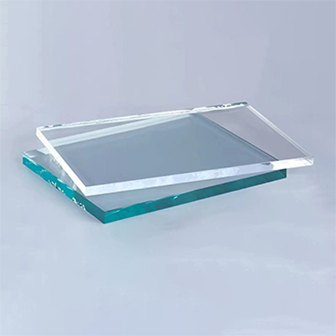
Simply put, custom laminated glass is made by bonding two or more layers of glass with an interlayer like polyvinyl butyral (PVB) or ethylene-vinyl acetate (EVA), engineered to meet client-specific demands on thickness, strength, transparency, or ultraviolet (UV) filtering. The “custom” part means manufacturers adjust glass type, interlayer thickness, and coatings to suit unique project specs or environmental conditions.
Its link to modern industry is pretty direct — think automotive, aerospace, construction, even specialized electronics. Humanitarian organizations also turn to laminated glass windows in shelters because it offers better protection and durability than usual panels, increasing safety and dignity for displaced populations.
Key Factors Defining Custom Laminated Glass
Durability & Safety
Custom laminated glass excels in impact resistance, holding fragments intact upon breakage. This feature protects occupants from flying shards, an essential factor for vehicle windshields and high-rise buildings facing storms or vandalism.
Acoustic Performance
By fine-tuning the interlayer materials and thicknesses, laminated glass can reduce noise transmission drastically. Perfect for urban apartments or office facades demanding peace amidst city noise.
Solar & UV Protection
Custom coatings and special interlayers can block up to 99% of UV rays, protecting interiors and occupants while lowering cooling costs. This feature’s increasingly vital as global awareness about energy consumption rises.
Optical Clarity & Aesthetic Flexibility
Different interlayers influence color tint, light transmission, and haze. This versatility allows architects and designers to play with transparency, shading, or decorative effects without compromising safety.
Thermal Performance
By combining laminated glass with low-emissivity (Low-E) coatings, thermal comfort inside buildings improves. This means reduced energy consumption—a benefit both for the environment and operational costs.
Customization & Scalability
Custom laminated glass firms use digital cutting and lamination tech to produce units in varying sizes, shapes, and thicknesses quickly—great for huge projects or specialized needs like bullet-resistant glazing.
Typical Product Specifications
| Specification | Standard Product | Custom Option |
|---|---|---|
| Glass Layers | 2 Layers (typically 4 mm each) | 2–5 Layers, variable thickness |
| Interlayer Material | PVB | PVB, EVA, SentryGlas, Acoustic Films |
| UV Transmission | ||
| Sound Reduction (STC Rating) | 28–32 dB | Up to 40+ dB |
| Max Size Available | 2440x3660 mm | Up to 3000x6000 mm |
Global Applications & Use Cases
- High-rise Construction: In crowded metropolises like Shanghai or Dubai, laminated glass façades provide safety and energy savings.
- Automotive Industry: In Europe and North America, thin but durable laminated windshield glass improves crash safety without adding weight.
- Post-Disaster Shelter Windows: NGOs use laminated glass in shelters in hurricane-prone Caribbean islands to ensure long-term resilience.
- Commercial Spaces: Retail stores in busy urban centers incorporate custom glass for noise reduction and aesthetic appeal.
Custom laminated glass really shines across all these sectors, offering a mix of protection, efficiency, and design flexibility.
Vendor Comparison: Leading Custom Laminated Glass Suppliers
| Feature | ChinaMirrorGlass | GlassTech Inc. | SecureLaminates |
|---|---|---|---|
| Customization Range | Extensive (size, interlayer, coatings) | Moderate | High security & specialty films |
| Delivery Times | 2-3 weeks | 3-5 weeks | 4 weeks |
| Price Competitiveness | $$ | $$$ | $$$$ |
| Sustainability Focus | Recyclable materials & energy-efficient | Standard | Specializes in certified recycled products |
Advantages & Long-Term Value of Custom Laminated Glass
On paper and in practice, custom laminated glass reduces injury risk, improves building resilience, and increases energy savings. But beyond that, it fosters trust—whether a family feels safer behind a shatterproof window or a business knows it’s investing wisely into materials that last decades.
The environmental angle also deserves pause: with growing carbon constraints, opting for laminated glass with high thermal performance helps meet sustainability goals. This makes it both a practical choice and a responsible one, which frankly feels important in our warming world.
Future Trends & Innovations
Looking ahead, innovations like interlayers infused with phase-change materials promise smarter thermal regulation. Meanwhile, digital lamination techniques and automation speed production, lowering costs and enabling more intricate designs.
Green energy integration — embedding photovoltaic films on laminated glass — is another exciting frontier, transforming glass surfaces into energy generators. Still, the challenge remains balancing cost and scalability in these innovations.
Challenges & Solutions
Of course, no tech is without hurdles. High upfront costs and customization complexity sometimes discourage smaller buyers. Also, maintaining optical clarity after long periods in harsh environments can be tricky.
Industry experts suggest certified standards and proper maintenance regimes as ways to tackle these issues. Plus, ongoing R&D in new interlayer chemistries aims to extend durability and reduce costs, which makes me optimistic.
FAQ: Frequently Asked Questions About Custom Laminated Glass
- What is the typical lifespan of custom laminated glass in building façades?
- With proper installation and maintenance, laminated glass can last 20-30 years or more. UV-resistant interlayers and coatings help preserve clarity and strength over time.
- Can custom laminated glass improve energy consumption in buildings?
- Yes. Laminated glass with Low-E coatings and solar control interlayers reduces heat gain and loss, lowering HVAC energy use significantly.
- How does custom laminated glass compare cost-wise to standard glass?
- It generally costs more upfront, sometimes 20-40% higher, but the safety, durability, and energy savings often offset initial expenses long-term.
- Is it possible to order laminated glass in non-standard shapes and sizes?
- Absolutely. Most manufacturers offering custom laminated glass can produce complex shapes, curved edges, and large panels tailored for specific projects.
- Are laminated glass interlayers recyclable or eco-friendly?
- Many modern interlayers are recyclable or made with sustainable materials. Check certifications from ISO or environmental agencies for confirmation.
Conclusion
So, summing it all up: custom laminated glass isn’t just a pane of toughened protection. It’s a confluence of safety, sustainability, design innovation, and long-term value. For anyone involved in construction, design, or safety-critical industries, understanding this product is invaluable.
If you want to explore how custom laminated glass can meet your project’s unique requirements, simply visit their website and dive into one of the most versatile glazing solutions available.
It feels like this material truly bridges the gap between safety and style, and I suspect its relevance will only keep growing.
Quick Takeaways
- Custom laminated glass enhances safety by holding shattered glass.
- It offers energy savings through UV and solar control.
- Customization allows tailored durability and aesthetics.
- Future trends point to smarter, greener glass technologies.
References
-
Enhance Your Home Decor with a Stylish Floor Length Mirror with Lights
NewsMar.31,2026
-
Elevate Your Bathroom with a Stylish Bathroom Round Mirror with Light
NewsMar.28,2026
-
Enhance Your Bathroom with the Perfect LED Vanity Mirror Bathroom Lighting
NewsMar.26,2026
-
Choosing the Perfect Illuminated Shaving Mirror For Your Daily Grooming Routine
NewsMar.24,2026
-
Choosing the Perfect Illuminated Dressing Table Mirror for Your Beauty Routine
NewsMar.21,2026
-
Enhance Your Space with a Stylish LED Mirror Black Frame A Comprehensive Guide
NewsMar.19,2026