
Dec . 02, 2025 16:00 Back to list
Laminated Double Glazing Solutions for Safety, Efficiency & Comfort
Understanding Laminated Double Glazing: The Smart Choice for Modern Windows
Laminated double glazing — if you’re new to the term, or even if you’ve heard it tossed around in construction or architecture circles — it’s essentially a specialized window solution designed to make buildings safer, more energy-efficient, and quietly resilient against noise and breakage. Globally, as urban centers swell and environmental concerns become central to building codes, laminated double glazing finds itself at the intersection of innovation and necessity.
Why does it matter so much? If you think about windows as just “holes covered with glass,” that’s ... frankly, a bit old-fashioned. Windows today are engineered components that help manage climate control, security, and even comfort. Plus, with the UN emphasizing sustainable building techniques and the ISO setting tougher standards for safety glass, laminated double glazing offers a practical response. It’s about combining two panes of glass with an interlayer, creating a unit that’s more than the sum of its parts.
Global Context: More Than Just a Pane of Glass
Worldwide, buildings account for nearly 40% of energy consumption — a staggering number documented by the International Energy Agency. And windows are often the weakest link in energy efficiency. Here’s where laminated double glazing shines: it helps reduce heat loss in winter and heat gain in summer, which translates to smaller energy bills and less strain on power grids. Plus, the added toughness against shattering benefits everything from cyclone-prone coastal areas to bustling urban high-rises.
But even beyond energy, there’s a security and safety angle. The World Health Organization notes increasing urban violence and natural disasters that require resilient infrastructure. Laminated double glazing’s ability to hold together when cracked reduces injury risk and property damage — a silent guardian that you might not always notice but definitely appreciate in a crisis.
What Exactly is Laminated Double Glazing?
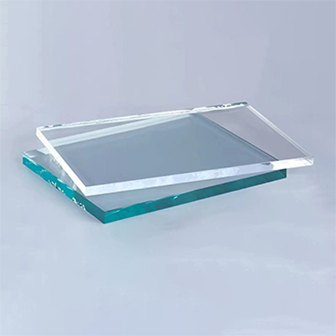
Simply put, laminated double glazing consists of two (or sometimes more) panes of glass spaced apart, usually sealed with a gas like argon for insulation. The key difference from regular double glazing? One or both panes are laminated.
Laminated glass is created by bonding glass sheets with a tough, transparent interlayer — often polyvinyl butyral (PVB). This interlayer acts like a spiderweb catching shattered glass if broken. So, when laminated is combined with double glazing, you get panes that not only insulate but resist impact and reduce noise.
This is particularly relevant in sectors like commercial buildings, hospitals, schools, or even earthquake-prone regions, where human safety and comfort must be balanced with energy and cost considerations.
Key Features of Laminated Double Glazing
Durability & Safety
The laminated layer prevents glass from shattering into sharp shards, which is huge for safety in homes and public spaces. It also withstands high impacts and harsh weather without compromising on integrity.
Energy Efficiency
Laminated double glazing seals better than standard single glazed units, reducing thermal transfer. This means less expensive heating/cooling bills and a smaller carbon footprint.
Acoustic Insulation
That subtle “ping” or outside chatter becomes a muted hum. Laminated interlayers dampen sound waves, making interiors quieter — a boon for urban offices or schools near busy streets.
UV Protection
The PVB interlayer blocks most UV rays, protecting interiors from fading and occupants from harmful radiation.
Customization & Aesthetics
Manufacturers can alter glass thickness, interlayer types, and coatings to meet specific needs — from security glazing to architectural styling.
Specifications in Focus: Typical Laminated Double Glazing Unit
| Feature | Specification | Benefit |
|---|---|---|
| Glass Thickness | 6 mm + 12 mm gap + 6 mm Laminated Glass | Optimized thermal performance & safety |
| Interlayer Material | Polyvinyl Butyral (PVB) | Impact resistance & UV blockage |
| Gas Fill | Argon or Krypton | Enhanced insulation |
| Spacer Material | Aluminum or Warm-Edge Technology | Minimizes condensation |
Comparing Leading Vendors in Laminated Double Glazing
| Vendor | Specialty | Lead Time | Customization | Price Range |
|---|---|---|---|---|
| China Mirror Glass Co. | Wide range, including laminated and toughened | 2-4 weeks | Highly customizable thickness & coatings | $$ |
| Guardian Glass | Advanced energy-efficient glazing tech | 3-5 weeks | Standard sizes plus premium options | $$$ |
| Saint-Gobain | Global leader with innovative interlayers | 4-6 weeks | Extensive R&D-backed customization | $$$ |
Real-World Applications Across the Globe
In urban metropolises, laminated double glazing is practically the standard for high-rise office buildings, keeping interiors both quiet and energy-efficient. In regions like Southeast Asia’s typhoon zones or California’s wildfire-affected areas, the safety it provides when storms hit is invaluable.
Beyond buildings, laminated double glazing finds use in the automotive industry — side windows and windshields become more resilient without adding weight. Humanitarian groups also employ laminated double glazed units in quickly deployable shelters, where durability and insulation must come immediately and reliably.
Interestingly, I’ve talked to several engineers who emphasize its role in schools and hospitals, places where noise reduction supports better learning and healing environments. That’s a social benefit that often goes unnoticed.
Advantages & Long-Term Value
- Cost Savings: Lower energy consumption means savings in the long run.
- Safety & Security: Prevents injuries and deters intruders thanks to its break-resistant properties.
- Comfort: Reduced noise and temperature swings enhance well-being.
- Sustainability: Supports green building certifications by reducing HVAC demand and harmful emissions.
- Property Value: Enhances resale and leasing prospects.
All this collectively nurtures trust — occupants feel safer and owners save money, creating a win-win scenario.
Looking Forward: Trends and Innovations
The future of laminated double glazing is exciting. New interlayer materials promise even better soundproofing and thermal control, while smart glass coatings adapt dynamically to light levels. There’s also a clear push towards integrating photovoltaic layers within glazing for energy generation, which might soon turn windows into micro solar panels.
Environmental regulations continue to tighten, nudging manufacturers to use recycled glass and more eco-friendly interlayers. Automation in production lines means faster turnaround with less error. Frankly, it feels like the humble window is quietly turning into a tech-packed, multi-function star.
Challenges & How Experts Address Them
The downsides? Laminated double glazing can be pricier upfront and heavier — which means sometimes structural reinforcements are necessary. Also, if moisture gets trapped inside, it can cause fogging or deterioration.
To counter these, builders use advanced sealants and warm-edge spacer technologies that minimize condensation. Suppliers increasingly offer modular units pre-tested for specific climates, streamlining installation. It’s a bit like customizing a suit instead of buying off-the-rack — tailored but more investment.
FAQ: Laminated Double Glazing Essentials
- Q: How much more energy efficient is laminated double glazing compared to single pane glass?
A: Typically, laminated double glazing can reduce heat loss by 50-70% compared to single-pane glass, thanks to the thermal break between panes and insulating gas fills. - Q: Can laminated double glazing withstand severe weather like hurricanes?
A: Yes, due to its laminated interlayer, it holds together when cracked, preventing shards from flying and providing better protection than standard glazing. - Q: Is this glazing suitable for retrofit projects on older buildings?
A: Absolutely — laminated double glazing can often be installed within existing frames, improving energy performance and security without full window replacement. - Q: How long does laminated double glazed window last under normal conditions?
A: If properly installed and maintained, these windows often last 20-30 years or more, depending on environmental stresses. - Q: Are there eco-friendly options for laminated double glazing?
A: Yes, some manufacturers produce units using recycled glass and bio-based interlayers, aligning with green building standards.
In Conclusion: Why Laminated Double Glazing Matters
Ultimately, laminated double glazing is more than a building material — it’s a practical innovation that answers multiple pressing needs. Safety, efficiency, comfort, and sustainability all come bundled in one panel. For anyone involved in construction, architecture, or facility management, it’s a topic worth diving into. To explore options or start a project, feel free to visit laminated double glazing.
It might just be the quiet hero of better buildings we’ve been waiting for.
Quick Takeaway: Laminated double glazing combines strength, energy savings, and peace of mind — a smart investment for a safer, greener tomorrow.
- International Energy Agency, "Global Energy Review 2022" – https://www.iea.org/reports/global-energy-review-2022
- United Nations Environment Programme, "Buildings and Climate Change" – https://www.unep.org/resources/report/buildings-and-climate-change
- ISO 12543-1: Glass in building — Laminated glass and laminated safety glass — Part 1: Definitions and description of component parts
-
Enhance Your Home Decor with a Stylish Floor Length Mirror with Lights
NewsMar.31,2026
-
Elevate Your Bathroom with a Stylish Bathroom Round Mirror with Light
NewsMar.28,2026
-
Enhance Your Bathroom with the Perfect LED Vanity Mirror Bathroom Lighting
NewsMar.26,2026
-
Choosing the Perfect Illuminated Shaving Mirror For Your Daily Grooming Routine
NewsMar.24,2026
-
Choosing the Perfect Illuminated Dressing Table Mirror for Your Beauty Routine
NewsMar.21,2026
-
Enhance Your Space with a Stylish LED Mirror Black Frame A Comprehensive Guide
NewsMar.19,2026