
Dec . 07, 2025 19:36 Back to list
Small Bathroom Mirrors – Compact Solutions for Modern Spaces and Global Needs
Small Bathroom Mirrors: An Essential Yet Overlooked Element in Modern Spaces
Small bathroom mirrors might seem like a modest detail in the grand scheme of things, but they play a surprisingly important role in both private homes and global industries. From helping conserve space in compact bathrooms to enhancing lighting and aesthetics, their relevance spans far and wide. In fact, understanding small bathroom mirrors today is about more than just decoration; it involves design innovation, sustainability, and even humanitarian considerations.
Introduction: The Global Context of Small Bathroom Mirrors
Globally, space optimization is a pressing concern, especially in urban environments where bathroom footprints are shrinking. According to the United Nations’ Department of Economic and Social Affairs, over 55% of the world’s population lives in urban areas — a number expected to rise. This rapid urbanization creates demand for efficient, functional bathroom fittings. Small bathroom mirrors address this challenge by blending utility with style without overwhelming limited space.
Moreover, in hospitality, healthcare, and even disaster relief housing, compactness without compromising comfort can be a literal lifesaver. Oddly enough, a mirror that fits neatly in a small shower or powder room can dramatically improve the user experience, creating a sense of openness and light. The challenge? Finding a balance between size, light reflection quality, durability, and installation ease.
What Exactly Are Small Bathroom Mirrors?
Simply put, small bathroom mirrors are reflective surfaces designed specifically for compact bathrooms or limited wall spaces. Typically ranging from 12 to 24 inches in width or height, they can be square, rectangular, round, or even custom shapes. Their aim is to provide a functional reflection area while fitting into tight spaces where full-size mirrors might be impractical.
These mirrors intersect with modern design trends, offering streamlined aesthetics that complement minimalist or contemporary bathrooms. They’re also important in humanitarian contexts — think modular housing or temporary shelters where every inch counts. Here, small bathroom mirrors help maintain personal hygiene and dignity despite spatial constraints.
Key Factors Defining Small Bathroom Mirrors
1. Size & Shape
The defining factor: dimensions. Smaller sizes are ideal for powder rooms, guest bathrooms, or compact apartments. Shapes matter too — round mirrors soften corners and add elegance, whereas rectangular options often maximize reflective space.
2. Durability & Material Quality
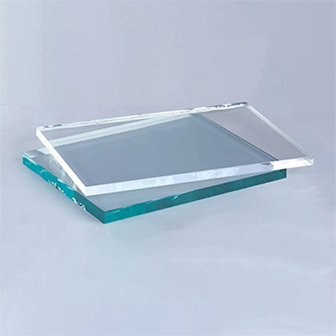
Since bathrooms tend to be humid, mirrors must resist corrosion and deformation. Silver-backed glass with anti-fog coatings is quite common. Some models even feature tempered glass for safety.
3. Lighting Compatibility
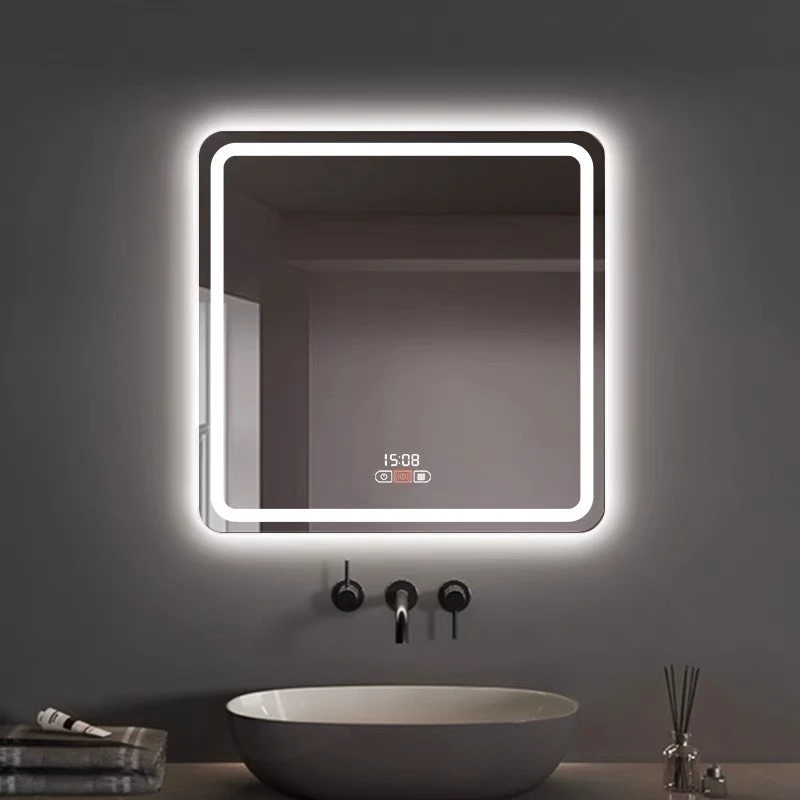
Good lighting enhances mirror utility. Features like built-in LED lights or compatibility with surrounding fixtures can dramatically improve grooming tasks.
4. Installation Flexibility
Easy mounting options (adhesives, brackets) matter a lot, especially for renters or modular units. Some small bathroom mirrors also come with swivel or extendable arms for versatile use.
5. Cost Efficiency
Smaller mirrors generally use fewer resources, which lowers costs—not just purchase price but also shipping and installation expenses. This benefits consumers and institutions alike.
Small Bathroom Mirror Product Specs: A Quick Overview
| Feature | Typical Range | Remarks |
|---|---|---|
| Dimensions | 12"–24" | Varies by model & shape |
| Material | Silver-backed glass, tempered | Anti-fog & corrosion resistant coatings common |
| Lighting | None / LED Built-in / Compatible | Enhances reflection and clarity |
| Mounting | Fixed wall, swiveling arm, adhesive | Varies by installation needs |
| Weight | 3–7 lbs (approx.) | Lighter fits compact railings or shelves |
Global Applications and Use Cases
Small bathroom mirrors are everywhere — from tiny apartments in Tokyo to humanitarian shelters in Nepal. In Japan’s notoriously compact urban dwellings, such mirrors contribute to space-saving interiors without sacrificing function. Moving to health care, hospitals in Europe deploy small, easy-to-clean mirrors in patient bathrooms to meet hygiene standards while accommodating limited space.
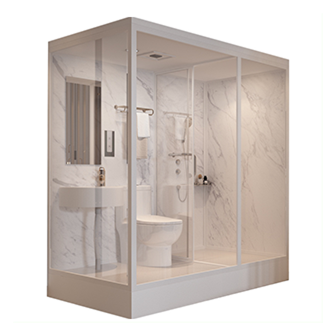
In disaster relief operations — a field I keep tabs on — these mirrors are included in modular toilet units, improving privacy and dignity for displaced persons. Industrial zones, especially remote mining camps, value small bathroom mirrors for quick grooming without the bulk of standard fixtures.
Small bathroom mirrors also show up in hospitality: boutique hotels and hostels opt for stylish compact models, balancing guest comfort with room economy.
Mini Takeaway: Whether dense cities or emergency zones, small bathroom mirrors meet spatial and practical challenges with elegance and efficiency.
Advantages & Long-Term Value
- Space Efficiency: They optimize limited wall area, critical in small dwellings or temporary housing.
- Cost Savings: Less material needed, easier transport, and simpler installations mean budgets stretch further.
- Sustainability: Smaller size reduces resource waste. Coatings and durable materials extend lifespan.
- Enhancing Well-being: Providing mirrors supports personal care rituals, boosting user dignity and satisfaction.
- Design Versatility: Styles range from ultra-modern to vintage, allowing integration in diverse decor.
Frankly, it’s one of those small design choices that yield outsized benefits — not glamorous perhaps, but central to bathroom usability and experience.
Future Trends & Innovations in Small Bathroom Mirrors
Looking ahead, smart mirrors with digital displays, touch controls, and environmental sensors are increasingly miniaturized to fit compact bathrooms. Integration with green energy tech—solar-powered LEDs, for instance—is growing, making these mirrors not just stylish but eco-friendly.
Materials science advances like antimicrobial glass and higher-efficiency anti-fog coatings ensure they stay cleaner and safer. Automation in manufacturing is driving down prices, making small bathroom mirrors more accessible globally.
Challenges & Solutions in Current Usage
One persistent challenge is fogging due to humidity—annoying and sometimes dangerous if visual clarity is lost. Specialized coatings and heated surfaces help but can increase cost.
Installation in older or uneven walls can be tricky. Emergent flexible mounting systems and innovative adhesives are part of the solution.
Vendor Comparison: Leading Small Bathroom Mirror Manufacturers
| Vendor | Product Range | Quality Rating | Price Range | Notable Features |
|---|---|---|---|---|
| China Mirror Glass Co. | Compact, LED-lit, anti-fog | 9/10 | $$ | Custom sizes, fast shipping, eco-friendly coatings |
| ReflectoPro International | Smart mirrors, tempered glass | 8.5/10 | $$$ | Integrated digital clocks & sensors |
| EcoBath Designs | Minimalist, solar-powered lights | 8/10 | $ - $$ | Focus on sustainability, recyclable frames |
Frequently Asked Questions About Small Bathroom Mirrors
Q1: How do I choose the right size small bathroom mirror?
A: Consider the available wall space and user needs. A mirror between 16" and 20" wide suits most compact bathrooms. Shapes should complement wall dimensions and intended use—larger for shaving, smaller for quick checks.
Q2: Can small bathroom mirrors be installed in rental spaces without damaging walls?
A: Yes, many models use adhesive mounts or suction systems designed not to leave marks. Always check the packaging instructions for damage-free options suitable for painted or tiled surfaces.
Q3: Are LED-lit small bathroom mirrors energy efficient?
A: Generally, yes. LED lighting consumes minimal power and lasts longer than incandescent bulbs, making them cost-effective and sustainable choices for daily use.
Q4: What materials make small bathroom mirrors resistant to moisture?
A: Tempered glass with silver backing treated with anti-fog and corrosion-resistant coatings is standard. Some mirrors use plastic frames or backing to avoid rust and warping in humid environments.
Q5: How do small bathroom mirrors impact bathroom hygiene?
A: By providing clear reflections, they encourage better personal grooming and cleaning habits. Easy-to-clean surfaces reduce bacteria buildup, especially if antimicrobial coatings are applied.
Conclusion: Why Small Bathroom Mirrors Matter More Than You’d Expect
It might surprise some that such a simple product holds so much significance—from urban living challenges to humanitarian needs. Small bathroom mirrors pack a practical punch: enhancing usability, preserving dignity, and fitting seamlessly into tight spaces. They blend innovation, sustainability, and affordability in ways that echo larger trends in design and manufacturing.
If you’re looking to upgrade your bathroom or outfit a housing project with reliable reflective solutions, don’t overlook the benefits of choosing small bathroom mirrors. For quality products and expert advice, visit our website to explore options suited to your needs.
Quick reflection: It’s fascinating how small bathroom mirrors, things many barely consider, actually reflect broader global challenges—from space scarcity to sustainability.
-
Enhance Your Home Decor with a Stylish Floor Length Mirror with Lights
NewsMar.31,2026
-
Elevate Your Bathroom with a Stylish Bathroom Round Mirror with Light
NewsMar.28,2026
-
Enhance Your Bathroom with the Perfect LED Vanity Mirror Bathroom Lighting
NewsMar.26,2026
-
Choosing the Perfect Illuminated Shaving Mirror For Your Daily Grooming Routine
NewsMar.24,2026
-
Choosing the Perfect Illuminated Dressing Table Mirror for Your Beauty Routine
NewsMar.21,2026
-
Enhance Your Space with a Stylish LED Mirror Black Frame A Comprehensive Guide
NewsMar.19,2026