
Sep . 14, 2024 14:33 Back to list
types of glass coating
Types of Glass Coating Enhancing Aesthetics and Performance
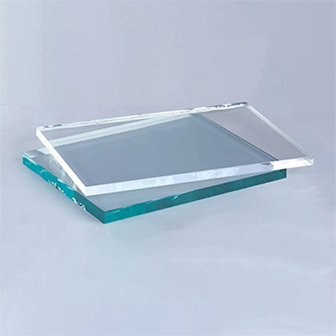
Glass has been a staple in architecture, automotive design, and various consumer products due to its versatility and appeal. However, raw glass can be prone to scratches, stains, and thermal stress. Therefore, glass coatings have emerged as essential solutions to enhance the durability and performance of glass surfaces. There are several types of glass coatings, each serving distinct purposes and providing different benefits.
1. Hydrophobic Coatings
Hydrophobic coatings are designed to repel water, creating a surface that resists the adherence of dirt and grime. These coatings are often used in shower doors, car windshields, and outdoor windows. The super-smooth finish prevents water droplets from forming, allowing them to slide off easily. This property not only helps maintain cleanliness but also enhances visibility and reduces the need for frequent cleaning.
2. Oleophobic Coatings
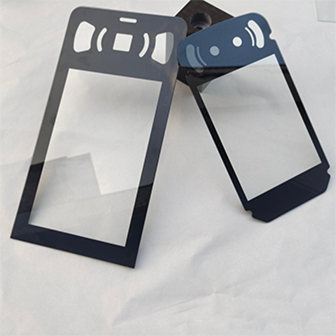
Similar to hydrophobic coatings, oleophobic coatings repel oils and fingerprints. This type of coating is commonly used in electronic devices, such as smartphone screens, to provide resistance against smudges and marks from finger oils. By facilitating easy cleaning, oleophobic coatings help maintain the clarity and aesthetics of glass surfaces while prolonging their lifespan.
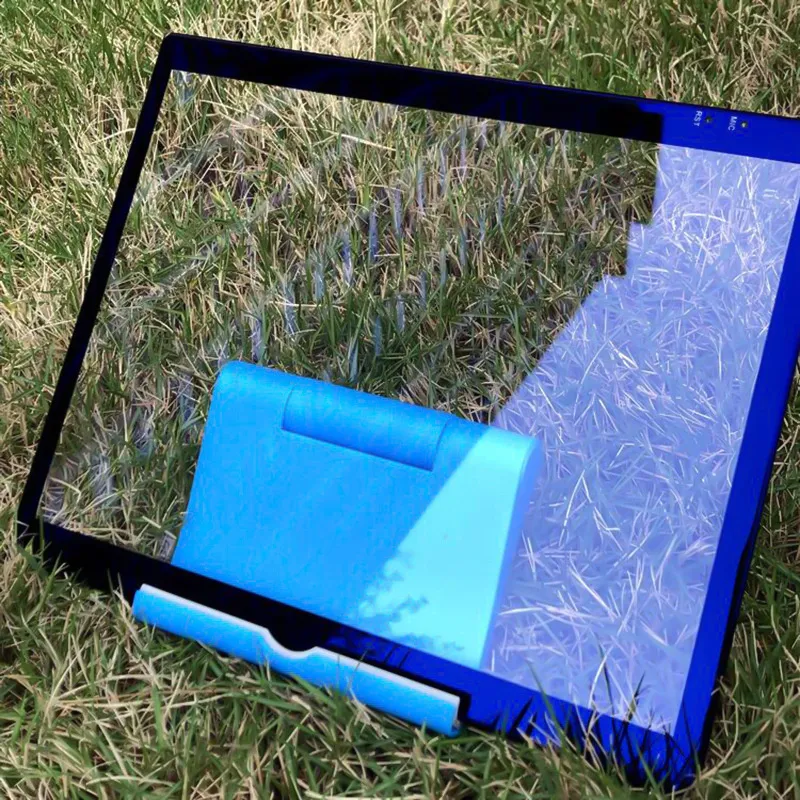
Anti-reflective coatings improve the transparency of glass by reducing reflections. These coatings are particularly important in optical devices, such as eyeglasses, camera lenses, and solar panels. By minimizing glare, anti-reflective coatings enhance visual clarity and improve the efficiency of solar energy absorption, making them a key feature in photovoltaic technology.
types of glass coating
4. Low-E Coatings
Low-emissivity (Low-E) coatings are thin layers of metallic oxides applied to glass to reflect infrared light while allowing visible light to pass through. By minimizing heat transfer, Low-E coatings improve energy efficiency and contribute to better insulation in residential and commercial buildings. This type of glass coating is especially beneficial in climates with extreme temperatures, as it helps maintain indoor comfort while reducing energy costs.
5. Tinted Coatings
Tinted coatings are primarily used for privacy and solar control. Adding color to glass can significantly reduce solar heat gain and glare, enhancing comfort in buildings, vehicles, and outdoor spaces. Tinted coatings can also provide UV protection, helping to preserve interior furnishings and reduce the risk of skin damage from sunlight.
6. Scratch-Resistant Coatings
Scratch-resistant coatings strengthen the surface of glass, making it less susceptible to nicks and abrasions. These coatings are important in high-traffic areas, such as public transportation, storefronts, and even household items like glass tabletops. By preserving the clarity and integrity of the glass, scratch-resistant coatings enhance longevity and reduce replacement costs.
Conclusion
In conclusion, the diverse range of glass coatings available today plays a crucial role in enhancing the functionality and aesthetics of glass surfaces. From hydrophobic and oleophobic coatings to anti-reflective and Low-E technologies, each type serves specific needs in various industries. As technology advances, the development of more innovative glass coatings will continue to improve the performance, durability, and visual appeal of glass products, making them an even more integral part of our daily lives.
-
Enhance Your Home Decor with a Stylish Floor Length Mirror with Lights
NewsMar.31,2026
-
Elevate Your Bathroom with a Stylish Bathroom Round Mirror with Light
NewsMar.28,2026
-
Enhance Your Bathroom with the Perfect LED Vanity Mirror Bathroom Lighting
NewsMar.26,2026
-
Choosing the Perfect Illuminated Shaving Mirror For Your Daily Grooming Routine
NewsMar.24,2026
-
Choosing the Perfect Illuminated Dressing Table Mirror for Your Beauty Routine
NewsMar.21,2026
-
Enhance Your Space with a Stylish LED Mirror Black Frame A Comprehensive Guide
NewsMar.19,2026