
Dec . 02, 2025 16:32 Back to list
Where and Why to Buy Laminated Glass: A Global Perspective on Safety, Sustainability & Innovation
Why You Should Consider Where to Buy Laminated Glass
So, you’re thinking about buying laminated glass, right? It’s one of those materials that quietly but surely reshapes industries, safety standards, and even the way we design everyday spaces. Globally, laminated glass isn't just a commodity; it's a critical player in building safer environments, enhancing energy efficiency, and meeting stringent construction codes worldwide. The demand for it is booming, reflecting how much importance we've placed on security and sustainability.
According to the ISO standards, laminated glass undergoes strict testing to ensure it holds up under impact — meaning fewer glass-related injuries and better protection during natural disasters. It's no wonder giants in construction and automotive sectors race to source the best laminated glass suppliers. But it’s not just about hitting standards—it's about getting the right specs for your unique needs.
What Exactly Is Laminated Glass?
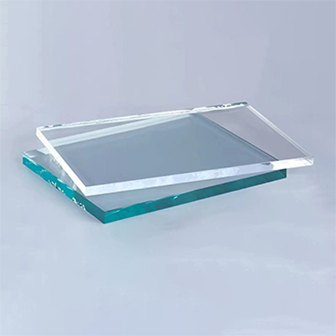
At its core, laminated glass is two or more layers of glass bonded by an interlayer, usually polyvinyl butyral (PVB) or ethylene-vinyl acetate (EVA). Think of it as a sandwich: glass on the outside, a sticky but flexible filling in-between. This interlayer holds shards together if the glass breaks, preventing dangerous shards from flying everywhere. In practical terms, it’s the difference between a simple window and a life-saving shield.
Buy laminated glass not just for transparency or aesthetics, but for resilience — this makes it invaluable in modern construction, automotive windshields, and even privacy-enhancing office décor. Emergency responders and humanitarian teams also increasingly rely on laminated glazing for challenging environments.
Key Properties to Look for When You Buy Laminated Glass
- Durability: Laminated glass can resist penetration and continue holding together even when cracked. It’s perfect for high-traffic areas or hostile weather.
- Sound Insulation: The interlayer also acts as a sound buffer, reducing outside noise—fantastic for urban offices or homes near busy streets.
- UV Protection: Some interlayers filter out up to 99% of harmful UV rays, which protects interiors from fading and occupants from UV exposure.
- Customization: Thickness, interlayer types, and coatings can be tailored to specific needs. This flexibility makes laminated glass suitable for everything from skyscraper façades to automotive glazing.
- Safety Certifications: Ensure the product complies with standards like EN 14449 or ANSI Z97.1 for impact resistance and safety.
Mini takeaway: The specs aren’t just numbers—they reflect real-world benefits like security, comfort, and longevity.
Product Specifications at a Glance
| Specification | Typical Values | Notes |
|---|---|---|
| Glass Thickness | 4 mm to 12 mm | Varies by application |
| Interlayer Type | PVB, EVA, SentryGlas | Affects strength & clarity |
| Sound Reduction | 28-35 dB | Varies with thickness |
| UV Blocking | Up to 99% | Depends on interlayer |
| Safety Compliance | EN 14449, ANSI Z97.1 | Must be verified |
Choosing the Right Vendor: A Quick Comparison
| Vendor | Product Range | Certifications | Lead Time | Price Range |
|---|---|---|---|---|
| ChinaMirrorGlass | Wide (architectural, automotive, specialty) | ISO 9001, CE, SGS | 2-4 weeks | Competitive |
| GlobalGlass Inc. | Specializes in automotive & security glass | ASTM, ANSI | 3-6 weeks | Mid to High |
| EcoLaminates Ltd. | Focus on eco-friendly & recycled materials | LEED, GreenGuard | 4-8 weeks | Varied |
Where Laminated Glass Is Changing the Game
Globally, laminated glass finds a home in diverse settings—from high-rise buildings in New York to earthquake-resistant structures in Japan and protective shelters in disaster-prone zones like the Philippines. For example, in post-disaster relief, laminated glass can create safer temporary structures that protect families from violent weather or debris. In automotive industries, particularly Europe and North America, manufacturers rely on laminated windshields to balance clarity with crash safety.
Oddly enough, remote industrial zones with harsh climates favor laminated glass for energy-efficient windows that reduce heat loss. Even museum designers favor it to protect priceless artifacts from UV damage without sacrificing viewer visibility.
Advantages & Long-Term Value
- Cost Savings: Longer lifespan reduces replacement frequency.
- Energy Efficiency: Helps maintain interior temperature, lowering utility bills.
- Safety & Peace of Mind: Reduces injury risk from shattered glass.
- Environmental Impact: Many laminated glass products now incorporate recycled materials and are recyclable themselves.
- Design Flexibility: It doesn’t limit architects’ creativity.
It strikes me that beyond practicalities, laminated glass carries a kind of emotional reassurance — it literally cushions the impact, protects loved ones, and preserves comfort.
Future Trends & Innovation
The future is exciting. R&D efforts aim to combine laminated glass with smart technologies—think self-tinting or solar-harvesting interlayers. Sustainability is a growing priority, with manufacturers working on entirely recyclable laminates and bio-based interlayers. Also, digital fabrication means more custom shapes at lower costs and higher speeds.
Challenges & Expert Solutions
One major hurdle is transportation fragility—laminated glass can be heavier and more fragile than tempered counterparts, adding logistics complexity. However, improved packaging solutions and local supply hubs help mitigate this. Another issue is price sensitivity, especially in emerging markets. Bulk buying or partnering directly with manufacturers like ChinaMirrorGlass can help secure better deals and quality assurance.
FAQ: Buy Laminated Glass
- How do I know which laminated glass thickness suits my project?
- Thickness depends on application—architectural glass may range from 6mm to 12mm, while automotive windshields tend to be thinner. Consult vendors with your specific use-case for tailored advice.
- Can laminated glass improve energy efficiency?
- Yes! The interlayer and coatings can help reduce UV penetration and heat transmission, which lowers energy consumption for heating or cooling.
- Is laminated glass recyclable?
- Traditionally, it was tricky, but newer technologies allow separation of glass layers and interlayers, enabling recycling. Look for vendors who prioritize eco-friendly production.
- What standards should I check before buying laminated glass?
- Check for compliance with standards such as EN 14449 in Europe or ANSI Z97.1 in the US to ensure safety and quality.
Wrapping It Up
In fairness, the decision to buy laminated glass isn’t trivial. Beyond ticking technical boxes, it’s about choosing a partner who understands your project’s safety, sustainability, and aesthetic goals. Laminated glass offers long-term value that justifies the investment—from safer buildings to quieter, more comfortable spaces, and a greener footprint.
For anyone keen on quality and innovation, visiting ChinaMirrorGlass is a smart start to explore options and make informed choices.
So next time you look out a window or drive a car, remember: laminated glass could be the quiet hero protecting you in ways you never imagined.
References
-
Enhance Your Home Decor with a Stylish Floor Length Mirror with Lights
NewsMar.31,2026
-
Elevate Your Bathroom with a Stylish Bathroom Round Mirror with Light
NewsMar.28,2026
-
Enhance Your Bathroom with the Perfect LED Vanity Mirror Bathroom Lighting
NewsMar.26,2026
-
Choosing the Perfect Illuminated Shaving Mirror For Your Daily Grooming Routine
NewsMar.24,2026
-
Choosing the Perfect Illuminated Dressing Table Mirror for Your Beauty Routine
NewsMar.21,2026
-
Enhance Your Space with a Stylish LED Mirror Black Frame A Comprehensive Guide
NewsMar.19,2026