
Sep . 30, 2025 16:31 Back to list
Anti-Glare vs. Anti-Reflective Glass: The Ultimate Guide for Digital Display Projects
When specifying glass for digital displays, kiosks, or interactive screens, the choice between anti-glare glass and anti-reflective glass is critical. While these terms are often used interchangeably, they represent fundamentally different optical technologies with distinct performance characteristics.
Understanding this difference ensures your projects deliver optimal visibility and user experience. This guide will help you distinguish between these two solutions and effectively communicate their benefits to your clients and stakeholders.
Anti-Glare vs. Anti-Reflective: Quick Comparison
| Feature | Anti-Glare (AG) Glass | Anti-Reflective (AR) Glass |
|---|---|---|
| Primary Function | Diffuses ambient light to minimize reflections | Allows maximum light transmission by canceling out reflections |
| Surface Texture | Etched/matte (micro-roughened) | Optically smooth (thin-film coated) |
| Light Transmission | Moderate (85-92%) | Very High (98-99.5%) |
| Image Clarity | Good (slight haze effect) | Excellent (crystal-clear visibility) |
| Sparkle Effect | Minimal to none | Potential under direct pixels |
| Ideal Applications | High-ambient light environments (retail, lobbies) | Color-critical displays (medical, museums, control rooms) |
| Durability | Highly durable surface | Coating requires careful handling |
| Cost Factor | Moderate | Premium |
Understanding Anti-Glare Glass Technology
How Anti-Glare Glass Works:
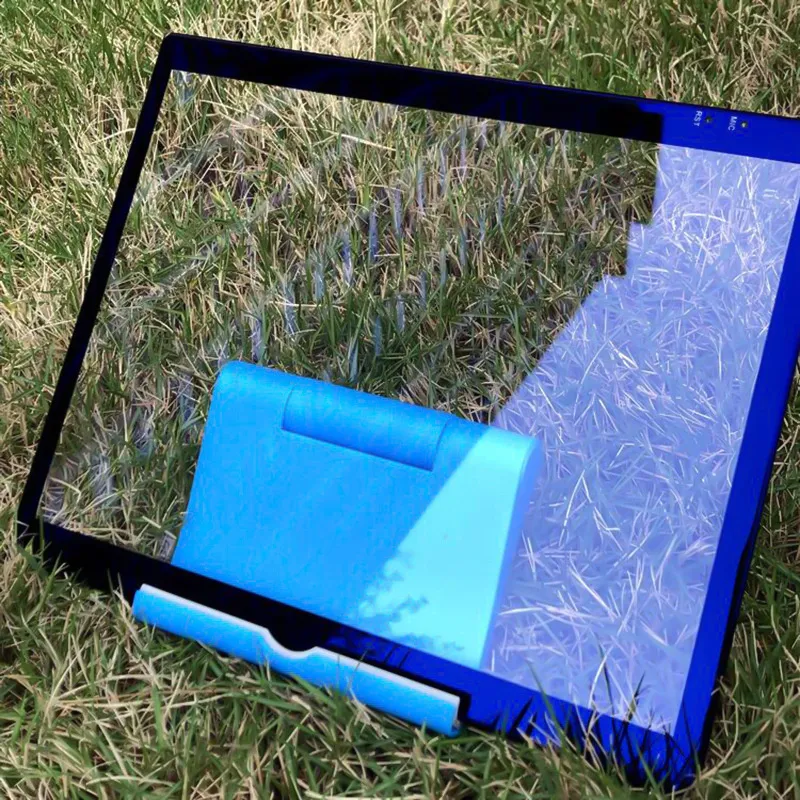
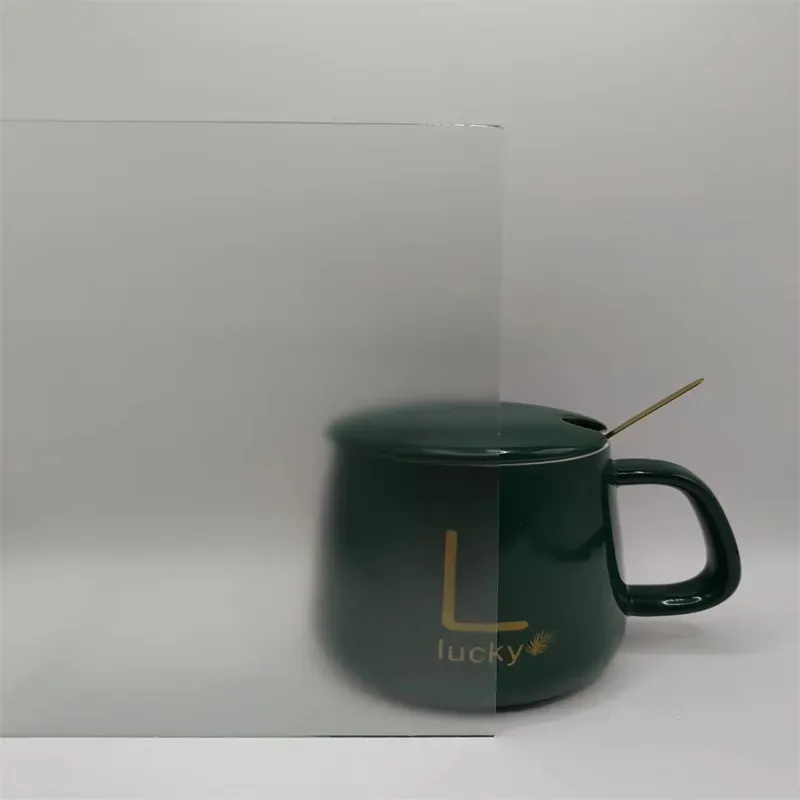
Anti-glare glass features a chemically etched surface that creates microscopic irregularities. These surface variations scatter incoming ambient light in multiple directions, preventing concentrated reflections from forming. This diffusion effect significantly reduces glare and makes the glass appear matte or slightly hazy.
Key Characteristics:
- Reduces glare under bright lighting conditions
- Minimizes fingerprint visibility
- Provides wide viewing angles
- Highly durable and scratch-resistant surface
Best Applications:
- Retail digital signage in brightly lit stores
- Public kiosks and ATMs
- Industrial control panels
- Gaming machines in casinos
How to Explain to Clients:
"Think of anti-glare glass as frosted glass for your display. It breaks up light reflections, making it easier to read screens in bright environments like shopping malls or sunlit lobbies."
Understanding Anti-Reflective Glass Technology
How Anti-Reflective Glass Works:
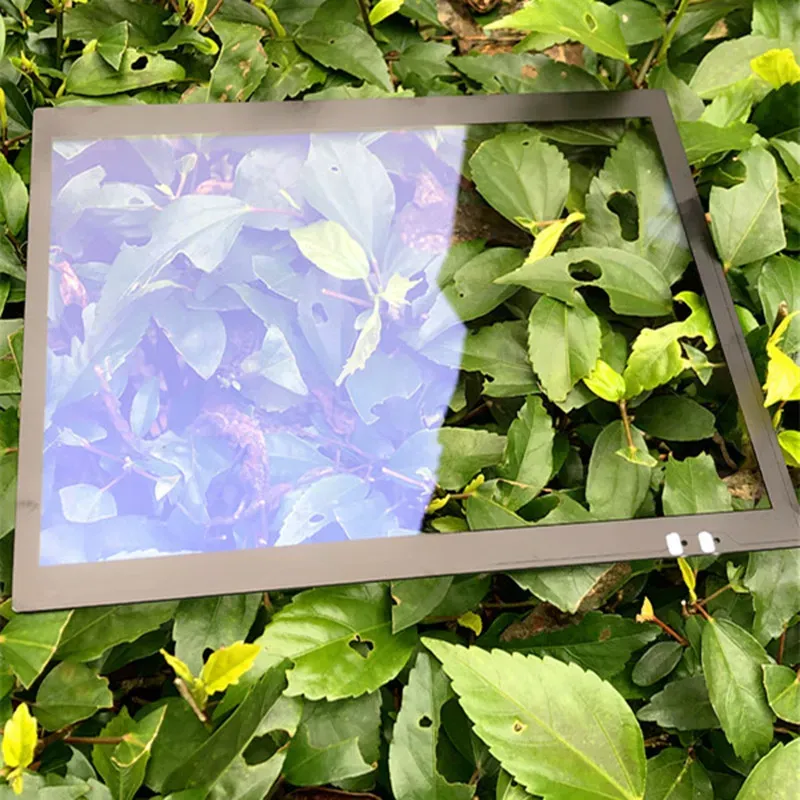
Anti-reflective glass employs thin-film interference coatings (typically multiple layers of metal oxides) applied to the glass surface. These coatings are engineered to cancel out reflected light waves through destructive interference, while allowing nearly all light to pass through the glass.
Key Characteristics:
- Eliminates up to 99% of surface reflections
- Maintains true color representation
- Provides exceptional image clarity and contrast
- Reduces eye strain during prolonged viewing
Best Applications:
- Medical imaging displays (radiology, surgical monitors)
- Museum and gallery displays
- High-end retail product displays
- Command and control centers
- Augmented reality interfaces
How to Explain to Clients:
"Anti-reflective glass acts like an invisible shield that makes reflections disappear. It's what you want when you need to see every detail with perfect clarity, like in medical diagnosis or luxury retail displays."
How to Choose: Key Decision Factors
1. Assess the Lighting Environment
-
Choose Anti-Glare when: The environment has multiple light sources, bright overhead lighting, or direct sunlight
-
Choose Anti-Reflective when: Controlled lighting conditions with specific viewing angles
2. Consider Image Quality Requirements
-
Choose Anti-Glare when: General content visibility is sufficient
-
Choose Anti-Reflective when: Pixel-perfect clarity, color accuracy, and fine detail are critical
3. Evaluate Durability Needs
-
Choose Anti-Glare when: The application requires frequent cleaning or is in high-traffic areas
-
Choose Anti-Reflective when: The display is in a protected environment
4. Budget Considerations
-
Choose Anti-Glare when: Cost-effectiveness is a priority for large-scale deployments
-
Choose Anti-Reflective when: Premium performance justifies the investment
Advanced Applications and Combinations
Hybrid Solutions:
For challenging environments, consider combining both technologies. AG+AR glass provides both surface diffusion and reflection cancellation, offering superior performance in mixed-lighting conditions.
Industry-Specific Recommendations:
Medical Imaging:
- Primary Choice: AR glass
- Reasoning: Uncompromised image clarity for accurate diagnosis
- Alternative: AG glass for non-diagnostic displays
Retail Banking:
- Primary Choice: AG glass
- Reasoning: Reduced glare for customers using ATMs in various lighting conditions
Museum Displays:
- Primary Choice: AR glass
- Reasoning: Perfect color reproduction and minimal reflections for artifact presentation
Communication Strategies for Your Team
When Presenting to Clients:
-
Use simple analogies: "AG is like matte photo paper; AR is like premium camera lens coating"
-
Demonstrate with samples in their actual environment
-
Focus on user experience benefits rather than technical specifications
Common Client Questions Addressed:
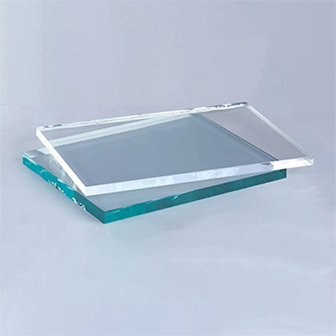
"Why can't we use regular glass?"
"Standard glass acts like a mirror in bright environments, making displays difficult to read. Optical glass ensures your content remains visible and engaging."
"Is the premium cost of AR glass justified?"
"For applications where decision-making depends on image accuracy, the investment in AR glass pays dividends in reduced errors and improved outcomes."
"Which option is more durable?"
"AG glass typically offers better scratch resistance, while AR glass requires more careful handling but provides superior optical performance."
Implementation Best Practices
Specification Checklist:
Document ambient light conditions
Identify primary users and viewing patterns
Determine cleaning and maintenance requirements
Verify compatibility with touch technology
Test samples in real-world conditions
Installation Considerations:
-
Ensure proper orientation of coated surfaces
-
Use recommended cleaning solutions
-
Follow manufacturer guidelines for mounting and sealing
By mastering the distinction between anti-glare and anti-reflective glass, you can specify the optimal solution for each unique application, ensuring your digital displays deliver maximum impact and usability.
Need professional guidance for your specific project? [Contact our optical glass experts] for personalized recommendations and sample evaluations.
-
Enhance Your Home Decor with a Stylish Floor Length Mirror with Lights
NewsMar.31,2026
-
Elevate Your Bathroom with a Stylish Bathroom Round Mirror with Light
NewsMar.28,2026
-
Enhance Your Bathroom with the Perfect LED Vanity Mirror Bathroom Lighting
NewsMar.26,2026
-
Choosing the Perfect Illuminated Shaving Mirror For Your Daily Grooming Routine
NewsMar.24,2026
-
Choosing the Perfect Illuminated Dressing Table Mirror for Your Beauty Routine
NewsMar.21,2026
-
Enhance Your Space with a Stylish LED Mirror Black Frame A Comprehensive Guide
NewsMar.19,2026