
Dec . 02, 2025 16:46 Back to list
Everything You Need to Know About 17.5 mm Laminated Glass – Specs, Uses & Future Trends
Understanding 17.5 mm Laminated Glass: A Global Perspective
In a world increasingly defined by safety standards and sustainability demands, 17.5 mm laminated glass has quietly become a critical material in construction, automotive, and even humanitarian relief sectors. Oddly enough, something as specific as 17.5 mm thickness might seem trivial at first glance, but this dimension plays a pivotal role balancing strength, clarity, and energy efficiency. Globally, with infrastructure growing and climate risks rising, understanding what makes this type of laminated glass so important could unlock smarter, safer building practices worldwide — not to mention environmental benefits.
Why Global Stakeholders Care
Massive urbanization — as cited by the UN, more than 55% of the global population now lives in cities — drives demand for materials that meet tough standards for durability, security, and energy performance. According to ISO standards and multiple World Bank infrastructure reports, laminated glass is key to reducing injury risk during accidents or natural disasters. Specifically, 17.5 mm laminated glass strikes a sweet spot in cost and performance for many large projects, especially in areas prone to extreme weather or seismic activity.
But the challenge is ever-present: how to balance cost, weight, and performance without compromising safety or sustainability? That’s exactly why 17.5 mm laminated glass gets so much technical and commercial attention.
What Exactly Is 17.5 mm Laminated Glass?
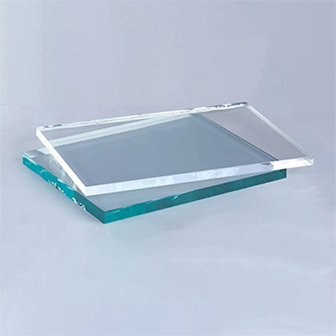
Simply put, laminated glass consists of two or more glass layers bonded with a robust interlayer, usually polyvinyl butyral (PVB) or similar material. The "17.5 mm" refers to the total thickness of the assembled glass unit. That might mean two 8 mm layers sandwiching a 1.5 mm interlayer or other combinations totalling 17.5 mm.
In simple terms, this thickness isn’t random: it provides enhanced impact resistance and sound insulation, while still allowing for reasonable weight and handling. For industries like automotive, aviation, skyscraper windows, or even blast-resistant panels, this thickness hits just the right balance. It's not only about safety — it’s about giving architects and engineers flexibility to innovate.
Connecting Industry and Humanitarian Needs
In emergency shelters or temporary medical facilities, laminated glass within the 17.5 mm range offers protection and transparency, retaining visibility while safeguarding occupants. NGOs building long-term modular housing often specify this grade due to its durability and availability worldwide. Technically speaking, the combination of thickness, interlayer properties, and fabrication quality deeply affects real-world outcomes.
Key Factors in 17.5 mm Laminated Glass
Durability & Safety
Thanks to its sturdy multi-layered structure, the 17.5 mm laminated glass resists breakage and, if shattered, holds fragments together — crucial for reducing injury. Many safety codes worldwide now consider laminated glass mandatory in areas prone to hurricanes, earthquakes, or vandalism.
Acoustic Performance
The interlayer dampens noise levels effectively, making it a popular choice in urban buildings, hotels, and hospitals where peace matters.
Thermal and UV Control
Some variants incorporate UV filters or reflective coatings, reducing heat gain and protecting interiors from fading — an energy-saving perk aligned with global sustainability goals.
Cost Efficiency & Scalability
While thicker than standard glass, 17.5 mm laminated glass remains affordable relative to the protection and functional benefits provided. Projects ranging from large commercial complexes to roadside safety barriers rely on its cost-to-benefit ratio.
Customization & Aesthetics
Manufacturers can embed colored interlayers or printed films, offering design freedom without compromising performance — especially important for brands wanting a distinct look.
Typical Specifications of 17.5 mm Laminated Glass
| Property | Specification | Units |
|---|---|---|
| Total Thickness | 17.5 | mm |
| Glass Layers | 2 (8 mm each) + 1.5 mm PVB interlayer | - |
| Visible Light Transmission | >85% | % |
| Acoustic Insulation (Rw) | 35–40 | dB |
| Impact Resistance | Meets EN 12600 Class 1B1 | - |
Global Applications and Use Cases
Industries around the world leverage 17.5 mm laminated glass for its combination of rigidity and flexibility. In coastal urban centers vulnerable to hurricanes — like Miami or Manila — this glass is a lifesaver literally, required in many building codes. I've heard architects refer to it as the “invisible guard.”
Industrial zones with chemical plants rely on laminated glass panels to protect workers from explosions or flying debris. In disaster relief operations, NGOs draft modular shelters using laminated glass elements, ensuring safety while allowing natural light in.
Educational campuses and hospitals in regions with noisy streets use this laminated glass for windows to maintain a tranquil environment. Even automotive manufacturers use it for side windows and sunroofs requiring high strength and acoustic filtering.
Vendor Comparison: Popular 17.5 mm Laminated Glass Suppliers
| Vendor | Availability | Customization Options | Lead Time | Pricing Level |
|---|---|---|---|---|
| China Mirror Glass | Global | Color, thickness variants, coating | 2–4 weeks | Competitive |
| Guardian Industries | North America, EU | High-end customization | 3–6 weeks | Premium |
| Saint-Gobain | Global | Standard & specialty products | 4 weeks | Mid-range |
Advantages and Long-Term Value of 17.5 mm Laminated Glass
It’s not just about glass that doesn’t shatter. It’s about peace of mind. The toughness and acoustic benefits enhance occupant comfort and security. Then there’s sustainability — many laminated glasses can be recycled or come with low-emission coatings, supporting green building certifications like LEED or BREEAM.
Socially, this material helps preserve dignity in post-disaster shelters, schools, and hospitals by providing reliable protection while maintaining visibility and openness, essentials for psychological well-being.
Future Trends and Innovations
Looking ahead, the laminated glass industry eyes smart glass integration: adding digital displays or responsive tinting that adapts to sunlight automatically. Also, bio-based interlayers are in development, aiming to reduce the carbon footprint even further. Automation in manufacturing promises lower costs and faster delivery, making 17.5 mm laminated glass even more accessible globally.
Challenges and Expert Solutions
Of course, challenges persist — like ensuring consistent quality across global supply chains and managing transportation damage risks due to heaviness. Solutions include advanced packaging technology and enhanced on-site handling protocols. Some engineers experiment with hybrid interlayers to improve impact resistance while lowering weight.
FAQ: Frequently Asked Questions About 17.5 mm Laminated Glass
- Q: What industries benefit most from 17.5 mm laminated glass?
A: Construction (commercial and residential), automotive, aerospace, and disaster-relief sectors all find this thickness ideal for balancing safety and performance. - Q: How does 17.5 mm laminated glass perform in extreme weather?
A: It meets stringent international safety standards (such as EN 12600), offering excellent resistance against windborne debris and seismic forces. - Q: Is it possible to customize the color or UV protection?
A: Yes, many manufacturers provide tinted or coated options that improve energy efficiency and aesthetics without sacrificing safety. - Q: Can laminated glass be recycled?
A: While more challenging than single-pane glass, initiatives exist to recycle laminated glass components, and new eco-friendly interlayers aid this effort. - Q: How long does laminated glass last in outdoor applications?
A: With proper installation and maintenance, its lifespan often exceeds 20 years, sometimes decades, depending on environmental exposure.
Conclusion: Why 17.5 mm Laminated Glass Matters
Long story short: choosing 17.5 mm laminated glass isn’t just a matter of specification — it’s a decision impacting safety, comfort, cost, and sustainability for decades. With global pressures on infrastructure and climate resilience growing, it feels like a small but significant lever to pull for smarter, more responsible building.
Whether you’re in construction, automotive, or humanitarian work, exploring this glass option makes sense. To dive deeper into specs or request quotes, visit China Mirror Glass — a trusted player with solid global reach.
Mini takeaway: 17.5 mm laminated glass is poised to become a cornerstone of resilient, energy-efficient construction worldwide, balancing technical demands with social value.
-
Enhance Your Home Decor with a Stylish Floor Length Mirror with Lights
NewsMar.31,2026
-
Elevate Your Bathroom with a Stylish Bathroom Round Mirror with Light
NewsMar.28,2026
-
Enhance Your Bathroom with the Perfect LED Vanity Mirror Bathroom Lighting
NewsMar.26,2026
-
Choosing the Perfect Illuminated Shaving Mirror For Your Daily Grooming Routine
NewsMar.24,2026
-
Choosing the Perfect Illuminated Dressing Table Mirror for Your Beauty Routine
NewsMar.21,2026
-
Enhance Your Space with a Stylish LED Mirror Black Frame A Comprehensive Guide
NewsMar.19,2026