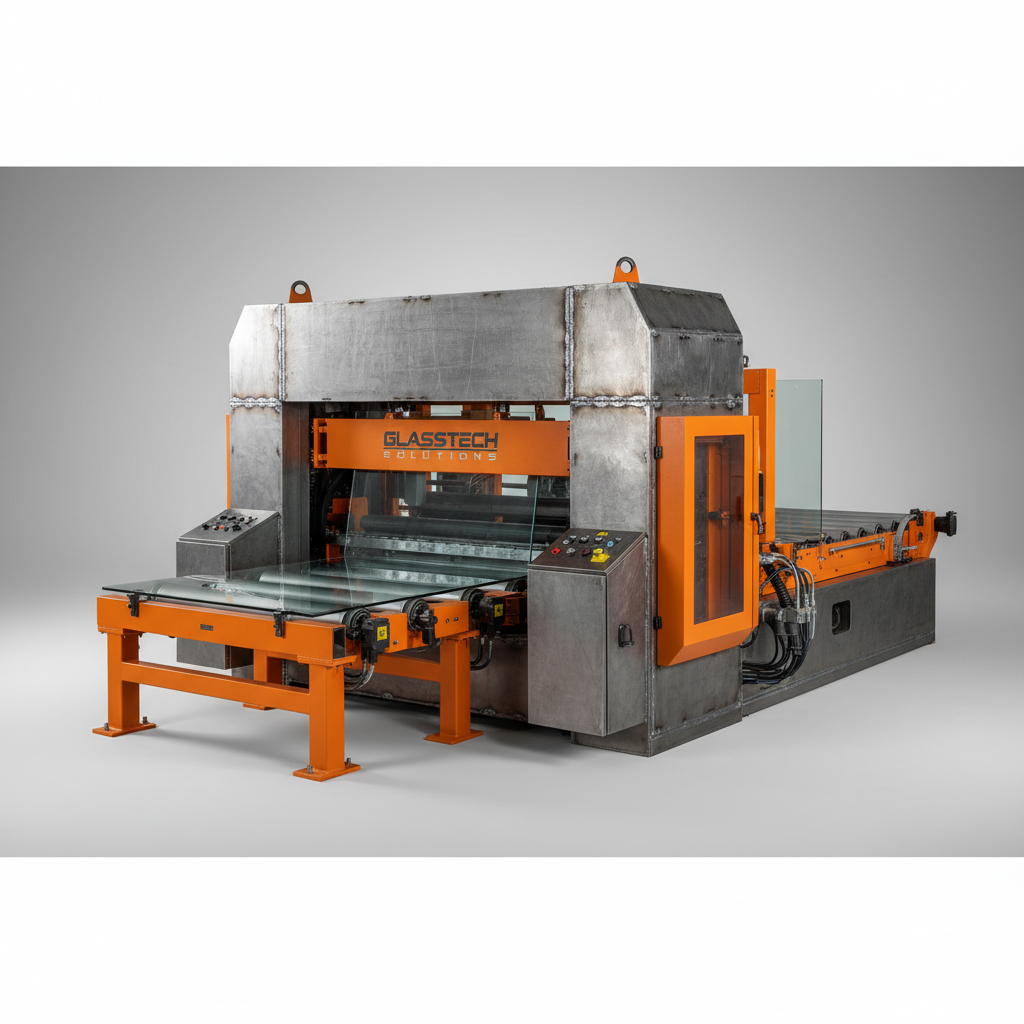
Float glass sheets have become indispensable in modern construction and various industries worldwide. Their clarity, versatility, and cost-effectiveness make them a fundamental material for a multitude of applications, from architectural glazing to automotive windshields. Understanding the nuances of float glass sheets—their manufacturing processes, properties, and applications—is crucial for professionals in construction, engineering, and manufacturing, as well as for anyone interested in the materials that shape our built environment. float glass sheets are a cornerstone of modern life.
The global demand for float glass sheets continues to rise, driven by urbanization, infrastructure development, and the increasing adoption of glass in various consumer products. However, the industry faces challenges related to energy consumption during manufacturing, transportation costs, and the need for sustainable production practices. Addressing these challenges requires ongoing innovation in glass technology and a commitment to environmentally responsible manufacturing processes. The availability of high-quality float glass sheets is paramount for sustainable growth.
This article aims to provide a comprehensive overview of float glass sheets, covering their definition, key properties, applications, advantages, future trends, and potential challenges. By exploring these aspects, we hope to shed light on the importance of this material and its contribution to various sectors of the global economy.
Introduction to Float Glass Sheets
Float glass sheets, also known as flat glass, represent a ubiquitous material in our modern world. They form the basis for windows, mirrors, automotive glass, and countless other applications. This material is characterized by its exceptional flatness, clarity, and smooth surface, attributes that are critical for its diverse range of uses. The widespread adoption of float glass sheets has revolutionized industries and improved the quality of life for millions.
The invention of the float glass process in the 1950s by Pilkington dramatically changed glass manufacturing. Prior to this innovation, flat glass was produced using methods that resulted in imperfections and distortions. The float process allows for the continuous production of high-quality, flat glass with minimal defects, making it the dominant method used globally today.
The Float Glass Manufacturing Process
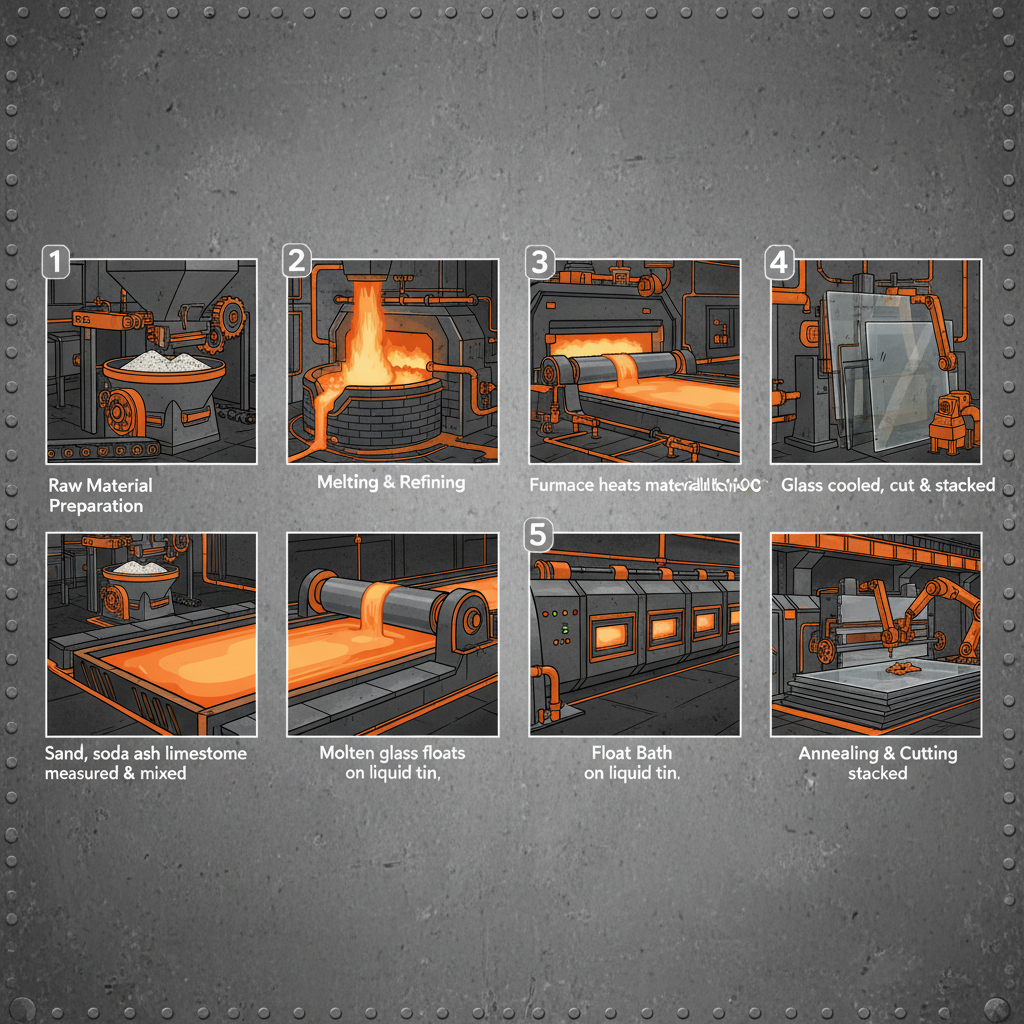
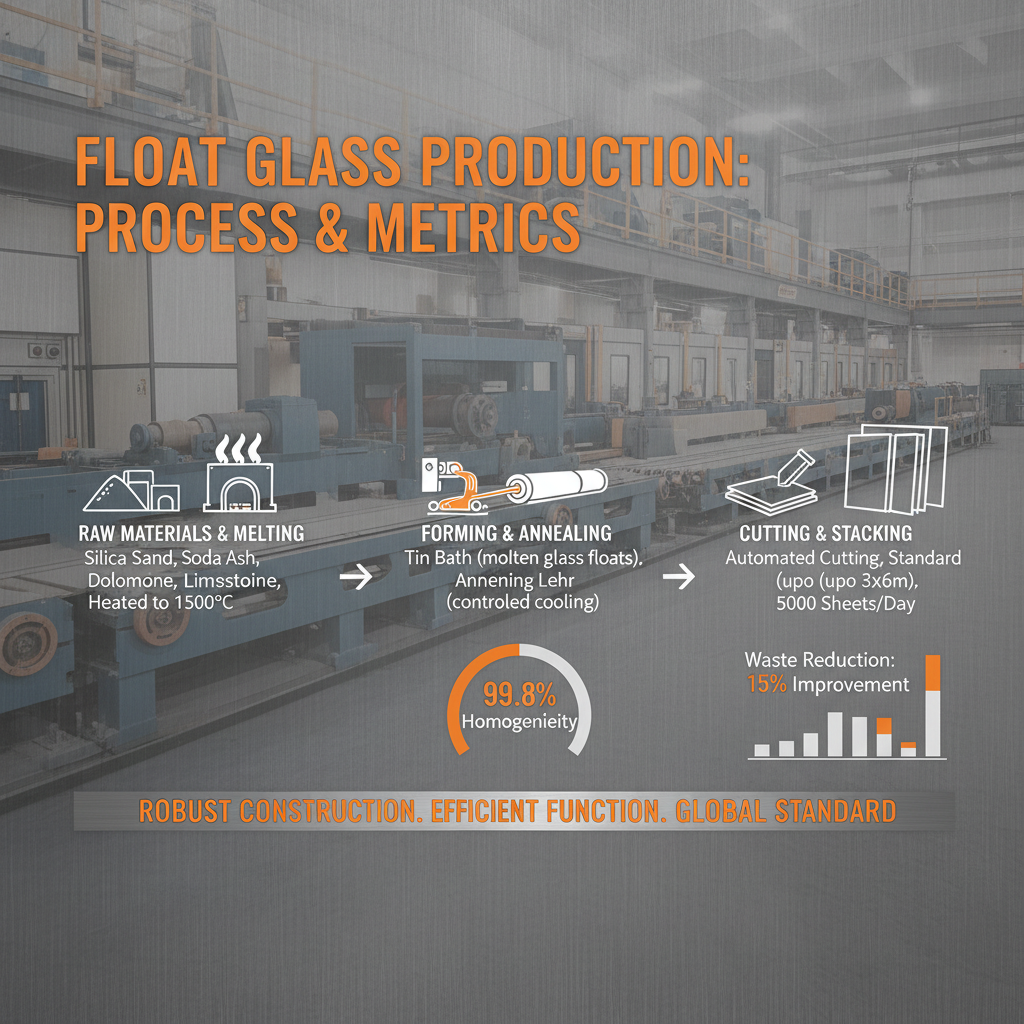
The float glass process begins with carefully controlled mixing of raw materials – primarily silica sand, soda ash, and limestone – along with smaller amounts of other ingredients to achieve desired properties. This mixture, known as batch, is melted in a furnace at extremely high temperatures, typically around 1500°C (2732°F). The molten glass is then carefully poured onto a bed of molten tin, which is denser than glass and creates a perfectly flat surface.
As the glass flows across the molten tin, it cools and solidifies, taking on the flatness of the tin bath. The speed of the glass ribbon is precisely controlled to ensure uniform thickness. After cooling, the glass passes through annealing lehrs to remove any residual stress and prevent cracking. This process is fundamental in ensuring the structural integrity and durability of the finished float glass sheets.
Finally, the continuous ribbon of glass is cut into sheets of various sizes and inspected for quality. Modern float plants often incorporate advanced automation and quality control systems to maintain consistent product standards and minimize waste.
Key Properties of Float Glass Sheets
Float glass sheets exhibit several key properties that contribute to their widespread use. First and foremost is their exceptional optical clarity. The manufacturing process minimizes distortions and imperfections, allowing for high light transmission and minimal visual interference. This clarity makes them ideal for windows, displays, and optical applications.
Secondly, float glass possesses excellent dimensional stability. Its flatness and uniform thickness ensure consistent performance in applications where precise dimensions are critical. Additionally, it's relatively inert, meaning it doesn’t readily react with other materials, making it durable and resistant to environmental degradation.
Thirdly, float glass offers a good balance of strength and flexibility. While not as strong as some specialty glasses, it’s robust enough to withstand everyday stresses and impacts. Further processing, such as tempering or laminating, can significantly enhance its strength and safety characteristics, expanding its applicability to demanding environments.
Applications Across Industries
The versatility of float glass sheets makes them essential to a diverse range of industries. In the construction sector, they are the primary material for windows and curtain walls in residential, commercial, and industrial buildings. Their clarity and thermal properties contribute to energy efficiency and natural lighting.
The automotive industry relies heavily on float glass for windshields, side windows, and rear windows, prioritizing safety and visibility. The glass undergoes additional processing, such as tempering and laminating, to meet stringent safety standards. Furthermore, the furniture industry utilizes float glass sheets for table tops, shelves, and display cases, capitalizing on its aesthetic appeal and durability.
Float Glass Sheet Applications by Sector
Advantages and Cost Considerations
Float glass sheets offer significant advantages over alternative materials. Their clarity and aesthetic appeal enhance building design and product presentation. The material's durability ensures a long service life, reducing replacement costs. Furthermore, the ability to process float glass into various forms – tempered, laminated, coated – allows for customized solutions tailored to specific needs.
Regarding cost, float glass is generally a cost-effective material, especially when considering its longevity and performance benefits. However, prices can vary based on thickness, size, coatings, and processing requirements. The increasing demand for energy-efficient glass, such as low-E coated glass, may result in slightly higher upfront costs but deliver long-term energy savings.
Innovations and Future Trends
The float glass industry is continually evolving, driven by demands for improved performance, sustainability, and innovation. Recent advancements include the development of self-cleaning glass coatings, which reduce maintenance requirements and enhance clarity. Dynamic glass, which can adjust its transparency based on light conditions, is gaining popularity for energy management and privacy control.
Future trends point towards incorporating smart technologies into float glass, such as integrated sensors and photovoltaic cells for energy generation. Research is also focused on developing more sustainable manufacturing processes that reduce energy consumption and minimize waste. The use of recycled glass cullet in the manufacturing process is becoming increasingly common, contributing to a circular economy.
Challenges and Sustainable Solutions
Despite its advantages, the float glass industry faces challenges related to energy consumption during manufacturing and the environmental impact of raw material extraction. The high temperatures required for melting glass necessitate significant energy inputs, often derived from fossil fuels. Transportation of bulky glass sheets also contributes to carbon emissions.
Sustainable solutions include investing in energy-efficient furnace technologies, utilizing renewable energy sources, and optimizing transportation logistics. Increasing the use of recycled glass cullet reduces the demand for virgin raw materials and lowers energy consumption. Furthermore, developing lighter-weight glass formulations can reduce transportation costs and emissions.
Implementing closed-loop manufacturing systems, where waste materials are recycled back into the production process, is crucial for minimizing environmental impact and promoting a circular economy within the float glass industry.
Key Sustainability Metrics for Float Glass Manufacturing
| Energy Consumption (kWh/ton) |
Cullet Usage (%) |
CO2 Emissions (kg/ton) |
Water Usage (m³/ton) |
| 2.5 - 3.0 |
10 - 20 |
800 - 1200 |
5 - 10 |
| 2.0 - 2.5 |
20 - 30 |
600 - 900 |
4 - 8 |
| 1.5 - 2.0 |
30 - 40 |
400 - 600 |
3 - 6 |
| 1.0 - 1.5 |
40 - 50 |
200 - 400 |
2 - 4 |
| 0.8 - 1.2 |
50 - 60 |
100 - 300 |
1 - 3 |
| 0.6 - 1.0 |
60+ |
Below 100 |
Below 1 |
FAQS
Float glass is the base material – a flat, clear glass produced using the float process. Tempered glass, on the other hand, is float glass that has undergone a heat treatment process to increase its strength. This makes it significantly more resistant to breakage, and when it does break, it shatters into small, relatively harmless pieces. Tempered glass is ideal for safety applications like car windows and shower doors, while float glass is used in windows and general glazing.
Low-E (low-emissivity) coating is a microscopically thin, virtually invisible metallic oxide layer applied to float glass. It reduces the amount of heat that passes through the glass, improving energy efficiency. In winter, it helps retain heat inside, and in summer, it reflects heat away. This leads to lower heating and cooling costs, making Low-E coated float glass a popular choice for energy-conscious buildings.
Laminated glass consists of two or more layers of float glass bonded together with a plastic interlayer, typically polyvinyl butyral (PVB). This interlayer holds the glass fragments together if the glass breaks, preventing them from scattering and causing injury. Laminated glass offers enhanced safety, security, and sound reduction compared to standard float glass, making it suitable for applications like skylights and storefronts.
Float glass sheets are commonly available in thicknesses ranging from 2mm to 19mm, with the most frequent thicknesses being 3mm, 4mm, 5mm, 6mm, 8mm, 10mm, and 12mm. The appropriate thickness depends on the specific application and the required level of strength and insulation. Thicker glass provides greater strength and soundproofing but also increases weight and cost.
Recycled glass, also known as cullet, is added to the raw material mix during the float glass manufacturing process. It melts at a lower temperature than the other raw materials, reducing energy consumption and lowering CO2 emissions. Using cullet also reduces the demand for virgin raw materials, contributing to a more sustainable manufacturing process. Modern float plants can utilize significant percentages of cullet in their production.
Common defects in float glass include bubbles, scratches, distortions, and surface imperfections. These defects are typically identified during quality control inspections. Minor imperfections may be acceptable for certain applications, while more significant defects result in the sheet being rejected. Advanced manufacturing processes and quality control systems are continually being improved to minimize the occurrence of these defects.
Conclusion
Float glass sheets represent a foundational material in modern construction and numerous other industries. Their unique combination of clarity, durability, and versatility, coupled with continuous innovation in manufacturing and processing, ensures their continued relevance in a rapidly evolving world. From energy-efficient building designs to safety-critical automotive applications, float glass sheets play a vital role in shaping our built environment and enhancing the quality of life.
Looking ahead, a focus on sustainable manufacturing practices, the integration of smart technologies, and the exploration of new glass compositions will drive further advancements in this field. By embracing innovation and prioritizing environmental responsibility, the float glass industry can continue to deliver high-performance materials that meet the challenges of a changing world. Visit our website at www.chinamirrorglass.com to learn more about our range of float glass products and solutions.