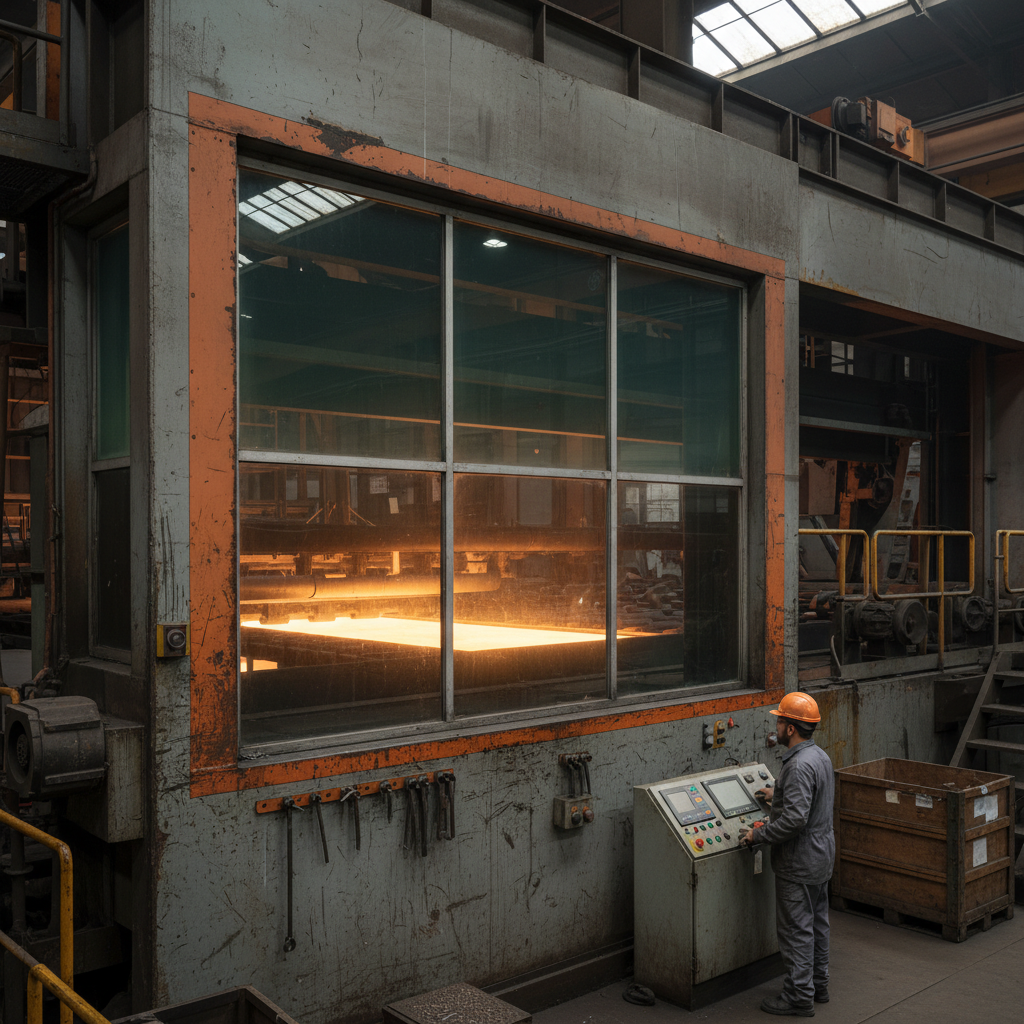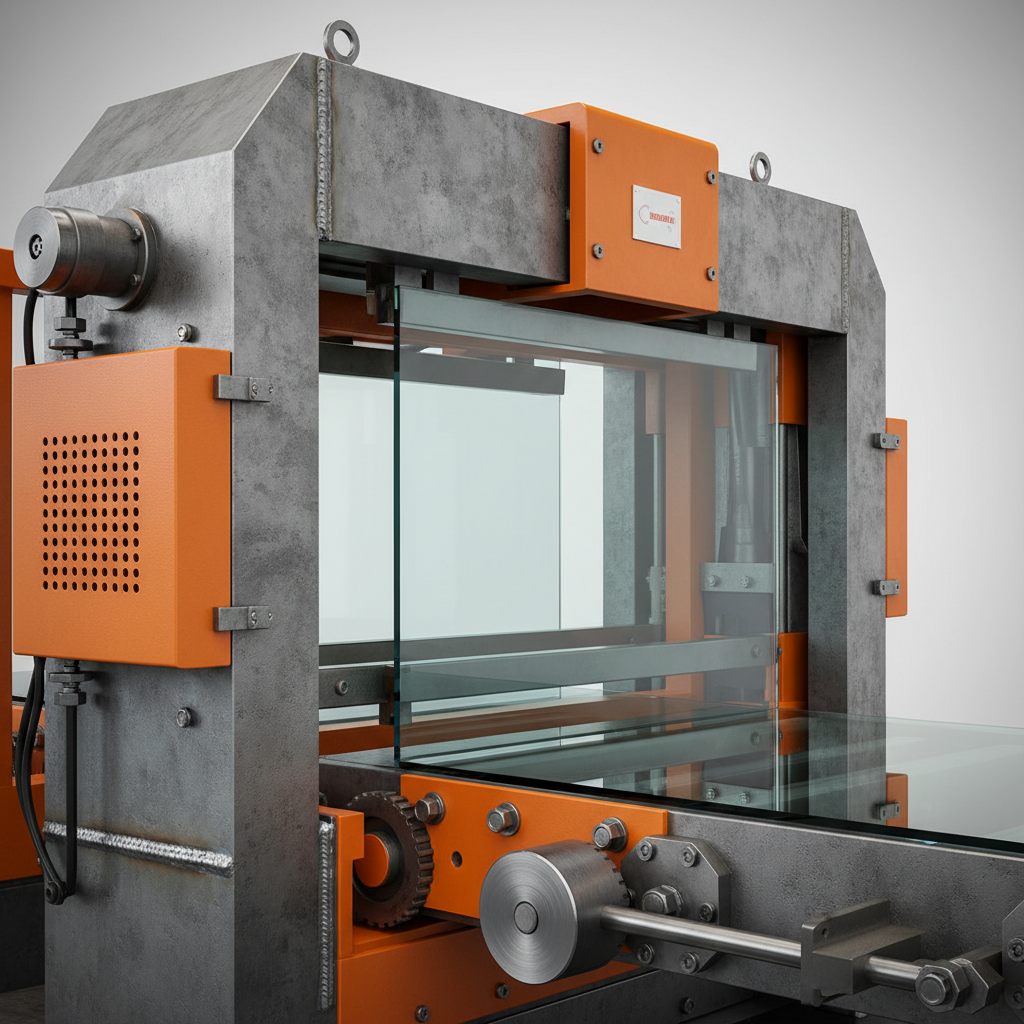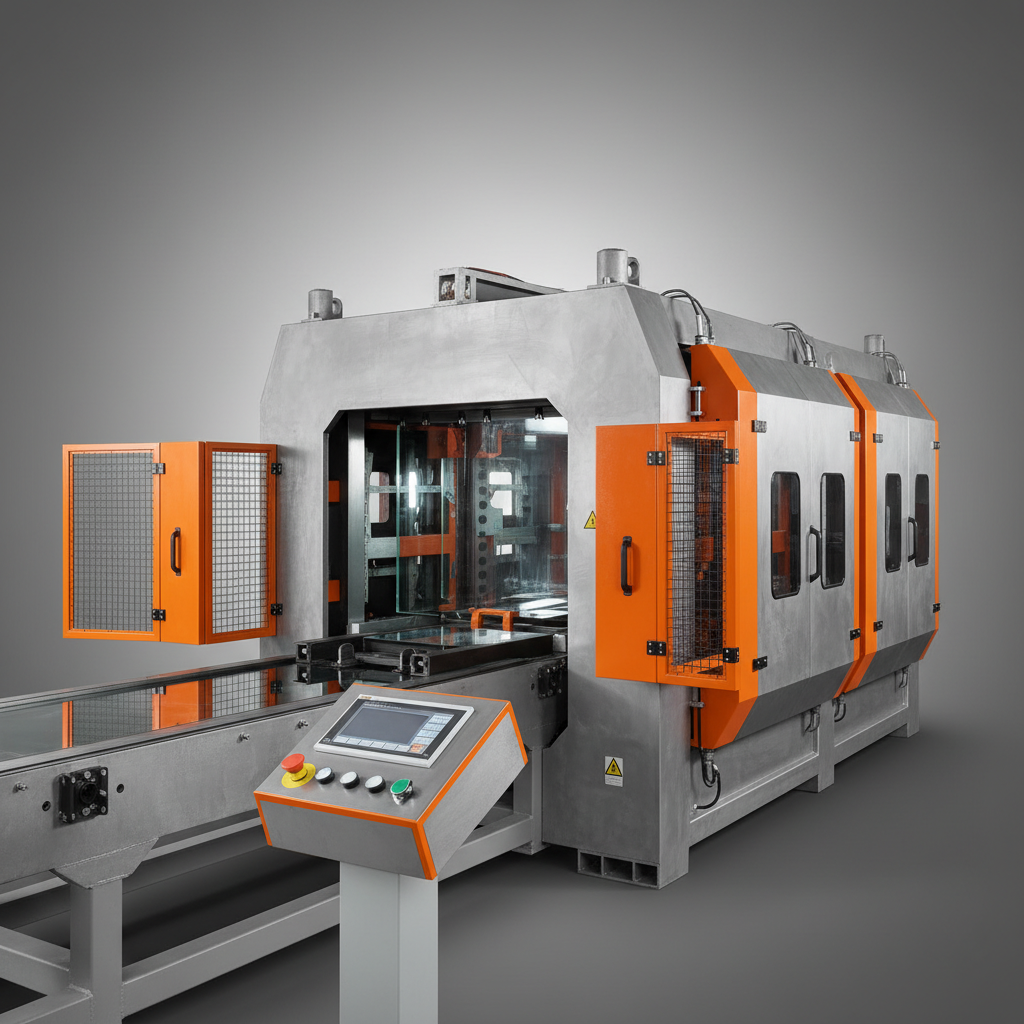

Tinted float glass represents a significant advancement in glass technology, offering a versatile material for a wide range of applications. Its inherent properties—strength, clarity, and the ability to control light transmission—make it an invaluable component in modern architecture, automotive industries, and various specialized fields. Understanding the nuances of tinted float glass is crucial for professionals and consumers alike, enabling informed decisions regarding building design, energy efficiency, and aesthetic preferences.
Globally, the demand for tinted float glass is steadily increasing, driven by factors such as growing urbanization, a heightened focus on sustainable building practices, and the desire for enhanced comfort and security. The glass industry is a substantial economic force, with manufacturers and suppliers strategically positioned to cater to regional and international needs. Adopting innovative approaches in production and application remains pivotal for continued growth.
Ultimately, the utilization of tinted float glass positively impacts both practical functionality and design aesthetics. From reducing glare and heat gain in skyscrapers to providing privacy and security in residential settings, this material plays a vital role in shaping the built environment and enhancing the quality of life.
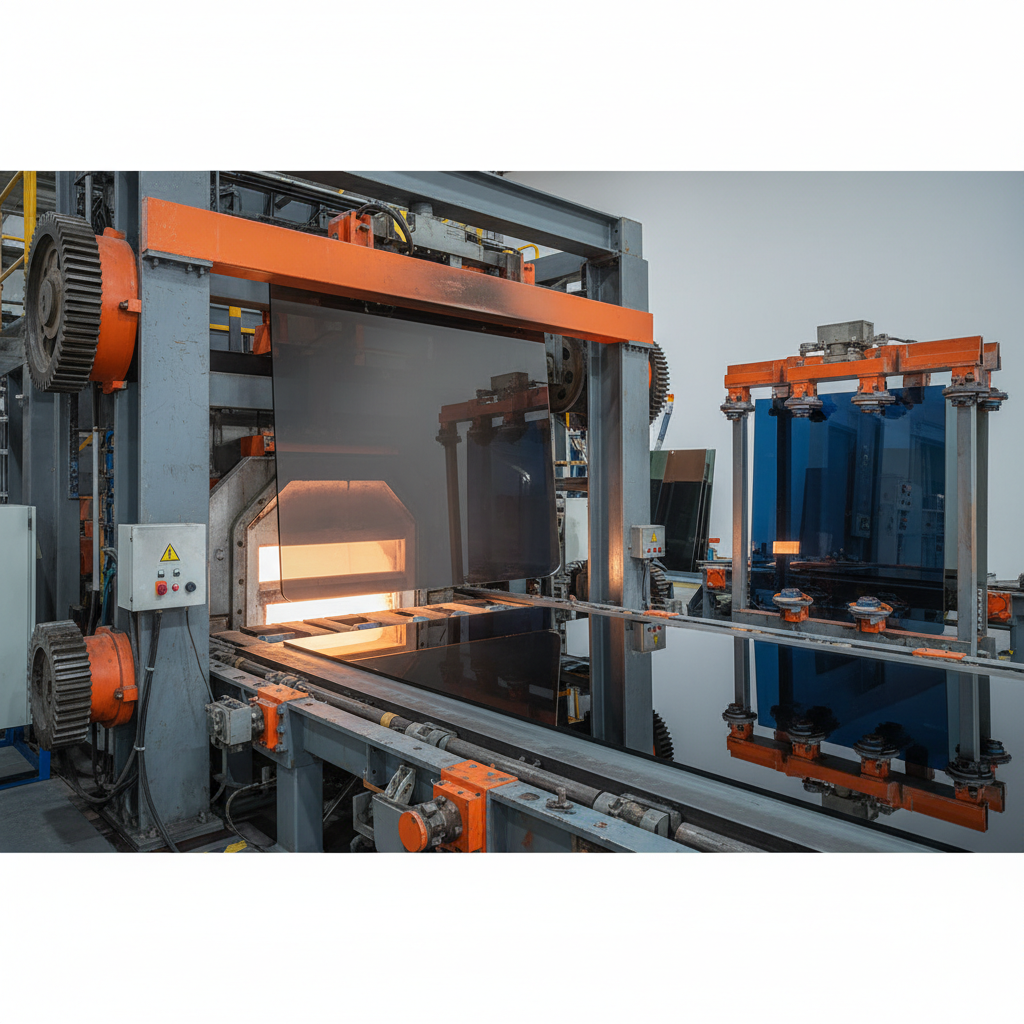
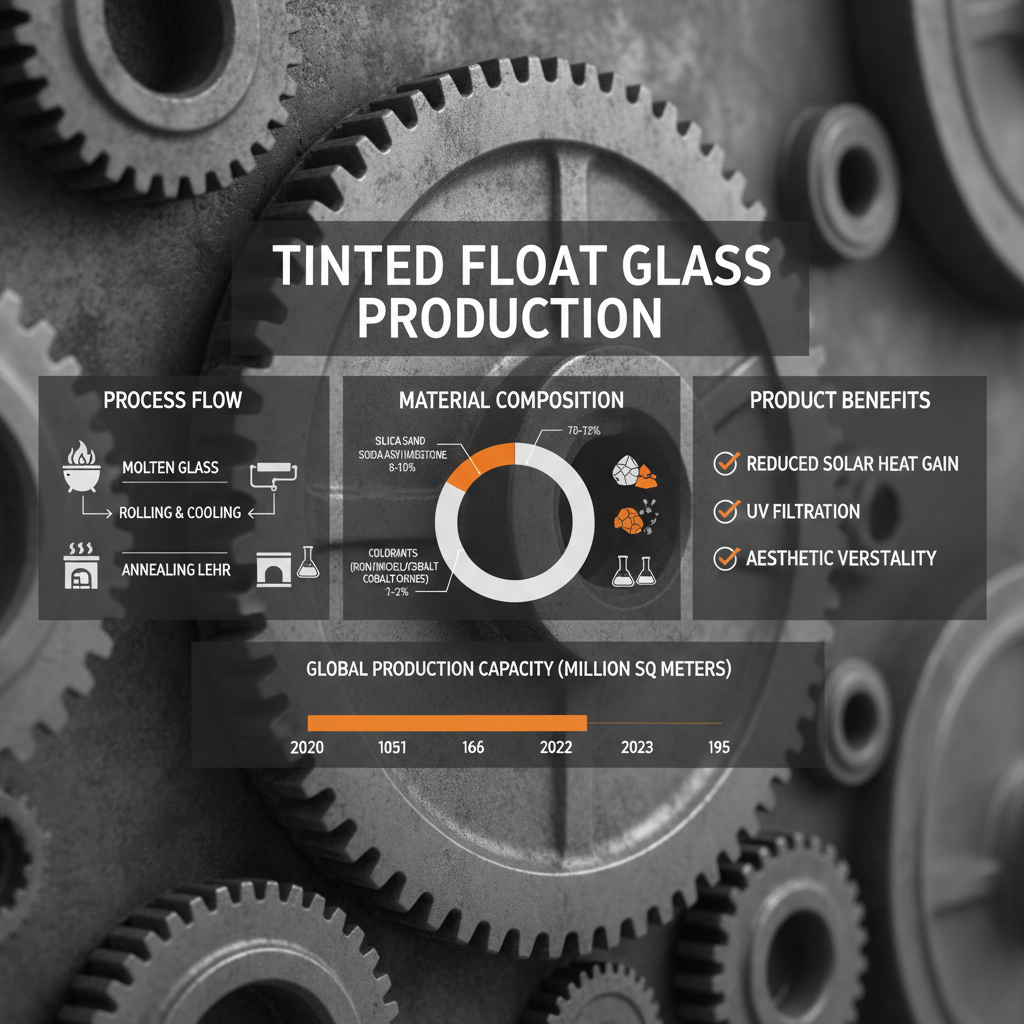
Tinted float glass is a manufactured glass that has colorants added during the melting process, resulting in a consistent color throughout the sheet. This isn't merely a surface coating; the color is integral to the glass itself. tinted float glass serves a dual purpose of aesthetics and functionality, influencing both the appearance and performance characteristics of a building or vehicle.
The production of tinted float glass utilizes the float glass process, a method where molten glass is floated on a bed of molten tin, creating a perfectly flat surface. By introducing metal oxides or other chemical compounds into the molten glass, manufacturers can achieve a diverse range of tints, including gray, bronze, blue, and green. These tints are not just about appearance; they directly impact solar heat gain and glare reduction.
The lifespan of tinted float glass, when properly installed and maintained, generally exceeds 20 years. Factors like climate, exposure to harsh weather conditions, and the quality of the installation can influence longevity. Regular cleaning and avoiding abrasive cleaners will help maximize its lifespan. The glass itself is durable, but seals and framing materials may require periodic maintenance or replacement.
Higher tint levels reduce the amount of visible light transmitted, creating a darker interior. However, this reduction is balanced by a significant reduction in solar heat gain. Manufacturers provide Visible Light Transmission (VLT) percentages for each tint level, allowing consumers to choose the optimal balance between light and heat control. Typically, lighter tints allow more light to pass through while still providing some solar benefits.
Yes, tinted float glass is generally more expensive than clear float glass due to the added cost of the coloring agents and the specialized manufacturing process. However, the long-term energy savings and reduced cooling costs often offset the initial price difference, making it a cost-effective investment. The specific price difference varies depending on the tint level and manufacturer.
Absolutely. Tinted float glass can be further processed with lamination or tempering to enhance its safety and security characteristics. Lamination involves bonding a layer of polyvinyl butyral (PVB) between two sheets of glass, creating a shatter-resistant barrier. Tempering involves heating and cooling the glass, making it significantly stronger and less likely to break, and if it does, it breaks into small, dull pieces.
Common tint color options include gray, bronze, blue, and green. Gray is a popular choice for modern architecture, offering a neutral tint that minimizes distortion. Bronze provides a warm, inviting aesthetic and excellent solar control. Blue and green tints offer unique visual effects and can be customized to complement specific design schemes. The choice depends on aesthetic preferences and performance requirements.
Tinted float glass significantly reduces the amount of ultraviolet (UV) radiation that enters a building, which is a major cause of fading in interior furnishings. By blocking UV rays, tinted glass helps preserve the color and integrity of fabrics, carpets, and artwork over time. The level of UV protection varies depending on the tint and any additional UV-blocking coatings applied.
In conclusion, tinted float glass represents a sophisticated and versatile material with widespread applications and significant benefits. Its ability to control solar heat gain, reduce glare, enhance aesthetic appeal, and contribute to sustainable building practices makes it an invaluable component of modern construction and design. From reducing energy consumption to improving occupant comfort, the advantages are numerous and far-reaching.
Looking ahead, continued innovation in tinted glass technology – including dynamic tints and self-cleaning coatings – promises to further enhance its performance and expand its applications. Embracing these advancements will be crucial for architects, builders, and homeowners seeking to create more energy-efficient, comfortable, and sustainable environments. For all your tinted float glass needs, visit our website: www.chinamirrorglass.com.