
Oct . 14, 2025 16:15 Back to list
Insulated Double Glazing Gas Filling Process
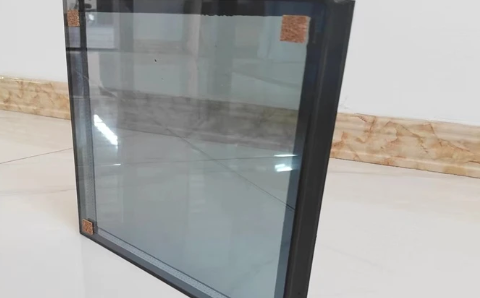
The gas filling process is a critical step in manufacturing insulated double glazing, as it significantly enhances the thermal insulation and soundproofing performance of the final product. Unlike standard single-pane glass, insulated double glazing consists of two glass panes separated by a spacer, with the gap between them filled with inert gas (typically argon, krypton, or xenon). This gas layer reduces heat transfer through the glass, making buildings more energy-efficient and comfortable. We focus on offering one-stop solutions on glass processing for global OEM/ODM customers, which means we manage every stage of the insulated double glazing production—from glass cutting and spacer assembly to gas filling and sealing—ensuring consistent quality and performance for every order. Whether for residential windows, commercial curtain walls, or specialized applications, our precise gas filling process ensures insulated double glazing meets the highest industry standards for efficiency and durability.
Key Steps in Our Insulated Double Glazing Gas Filling Process
- Before gas filling, we thoroughly clean the two glass panes of insulated double glazing to remove dust, oil, or debris. Any contaminants in the gap can reduce gas retention and compromise insulation, so this step is critical for long-term performance.
- We assemble the spacer (usually made of aluminum or warm-edge material) between the two glass panes, creating a uniform gap (typically 6mm–12mm) that will hold the inert gas. The spacer is sealed with high-quality butyl tape to prevent gas leakage once filled.
- The insulated double glazing unit is then placed in a specialized gas filling machine, which evacuates the air from the gap using a vacuum pump. This ensures that the inert gas fills the entire space without mixing with air, maximizing insulation efficiency.
- We inject the inert gas (argon is the most common choice for its balance of cost and performance) into the gap at a controlled pressure. Our machines monitor gas concentration in real time, ensuring it reaches at least 90% (the industry standard for effective insulation) before sealing the unit permanently with structural silicone.
Quality Control for Insulated Glass Gas Filling
- Our insulated glass gas filling process includes rigorous quality checks to verify gas concentration. We use a gas analyzer to test random samples from each production batch, ensuring the inert gas level meets or exceeds 90%—a requirement for optimal thermal performance.
- We conduct long-term gas retention tests on insulated glass Selected units are stored in controlled environments for 6–12 months, with periodic gas concentration checks. This ensures our insulated glass retains at least 80% of its initial gas volume after one year, far exceeding the industry’s minimum retention standard.
- The sealing integrity of insulated glass is tested using a pressure decay method. We pressurize the gas-filled gap slightly and monitor for pressure drops over time; any drop indicates a leak, and the unit is rejected or repaired before shipment.
- As part of our one-stop solution, we document every quality control step for insulated glass, including gas concentration readings, seal test results, and production dates. This traceability allows us to address any issues quickly and provide customers with full transparency into the manufacturing process.
Customization of Insulated Glass Panels Gas Filling
- Our insulated glass panels can be customized with different inert gases based on customer needs. For projects requiring maximum thermal insulation (e.g., cold-climate buildings), we use krypton gas—though more expensive than argon, it offers 10–15% better heat retention for regular insulated glass panels.
- We adjust the gas gap width for insulated glass panels to match specific performance goals. A wider gap (12mm) provides better insulation but may increase unit weight, while a narrower gap (6mm) is lighter and more suitable for applications where weight is a concern (e.g., skylights).
- As part of our one-stop solution, we can integrate gas-filled insulated glass panels with other treatments (e.g., Low-E coatings or tempered glass). This allows customers to create high-performance insulated glass panels that combine gas insulation with additional benefits like UV protection or impact resistance.
Insulated Double Glazing Gas Filling Process FAQS
Why do you use inert gas for insulated double glazing instead of air?
Inert gases (like argon) are used for insulated double glazing because they are less conductive than air, reducing heat transfer through the glass. Air contains moisture and oxygen, which can cause condensation or spacer corrosion over time—issues that inert gases avoid. Using argon for insulated double glazing improves thermal efficiency by 15–20% compared to air-filled units, lowering heating and cooling costs for buildings.
How long does the gas in insulated glass last, and does it need to be refilled?
The inert gas in our insulated glass typically lasts 10–15 years, thanks to our high-quality sealing process. We use butyl tape and structural silicone to create an airtight seal that minimizes gas leakage. Refilling gas in insulated glass is rarely necessary; if leakage occurs (usually due to seal damage), it is more cost-effective to replace the unit than to refuel it. Our one-stop solution includes a 10-year warranty on insulated glass gas retention, ensuring customers are covered for any unexpected leakage.
Can you produce large-sized insulated glass panels with gas filling?
Yes, we can produce large-sized insulated glass panels (up to 3m x 6m) with precise gas filling. Our specialized gas filling machines are designed to handle large units, ensuring uniform gas distribution across the entire gap. We also reinforce the spacer and seal for large insulated glass panels to prevent warping or seal failure, ensuring the unit maintains its gas retention and structural integrity over time.
Does the gas filling process add to the cost of insulated double glazing?
Yes, gas filling adds 8–13% to the cost of insulated double glazing compared to air-filled units. However, this cost is offset by long-term energy savings: gas-filled insulated double glazing reduces heating and cooling bills by 5–10% annually, meaning the extra upfront cost is typically recouped within 3–5 years. For customers on a budget, we also offer air-filled insulated double glazing as a more affordable alternative, though it has lower insulation performance.
Are your insulated glass panels with gas filling suitable for high-rise buildings?
Absolutely. Our insulated glass panels with gas filling are designed for high-rise buildings, with additional structural reinforcement to withstand wind loads and pressure changes. We use tempered glass for insulated glass panels in high-rises, which is shatter-resistant, and our gas filling process ensures the units are lightweight enough for safe installation. As part of our one-stop solution, we provide engineering calculations to confirm that insulated glass panels meet the wind and weight requirements of high-rise projects.
-
Enhance Your Home Decor with a Stylish Floor Length Mirror with Lights
NewsMar.31,2026
-
Elevate Your Bathroom with a Stylish Bathroom Round Mirror with Light
NewsMar.28,2026
-
Enhance Your Bathroom with the Perfect LED Vanity Mirror Bathroom Lighting
NewsMar.26,2026
-
Choosing the Perfect Illuminated Shaving Mirror For Your Daily Grooming Routine
NewsMar.24,2026
-
Choosing the Perfect Illuminated Dressing Table Mirror for Your Beauty Routine
NewsMar.21,2026
-
Enhance Your Space with a Stylish LED Mirror Black Frame A Comprehensive Guide
NewsMar.19,2026