
Dec . 12, 2025 20:15 Back to list
Safety Precautions for Handling Acid Etched Materials
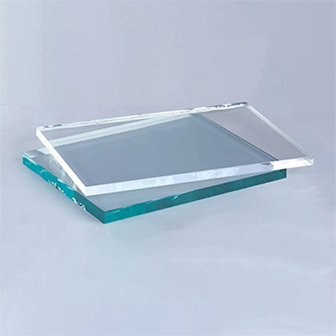
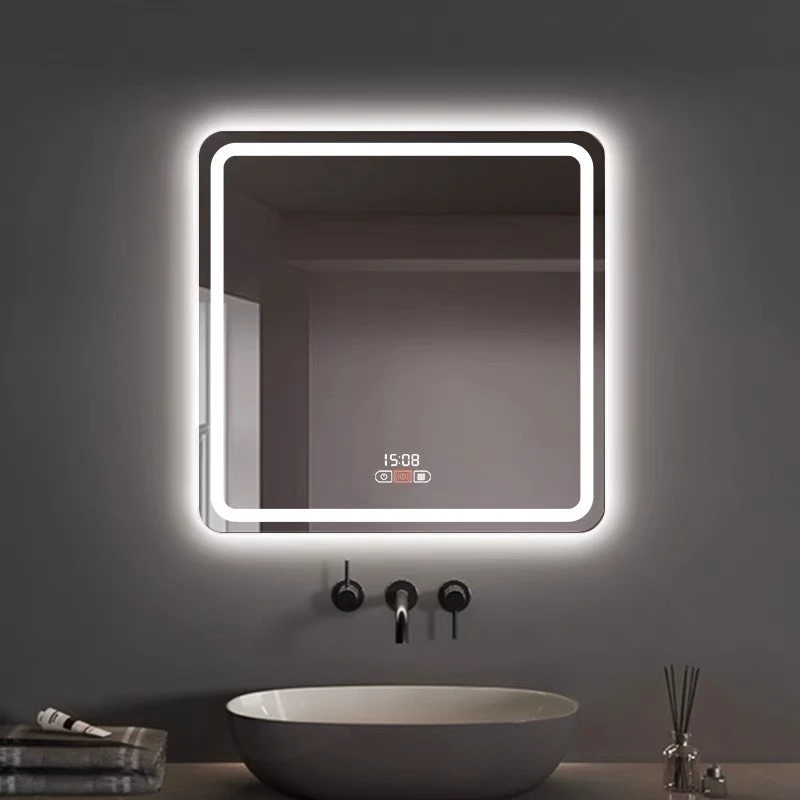
Acid etched materials—including decorative acid etched glass and reflective acid etched mirror—are widely used in architecture, interior design, and furniture for their frosted, textured appearance. However, the acid etching process involves corrosive chemicals (e.g., hydrofluoric acid, sulfuric acid), and handling finished acid etched products requires strict safety measures to protect workers, prevent damage, and ensure compliance with industry standards. SHAHE SHOTT GLASS Co., Ltd., a leader in glass processing offering one-stop OEM/ODM solutions, is well-equipped to address these safety needs: with dedicated acid etching lines, CNC work centers, and mirror production lines, the company not only produces high-quality acid etched glass and acid etched mirror but also provides wholesalers with guidance on safe handling. For wholesalers, partnering with SHAHE SHOTT GLASS means accessing both premium acid etched products and actionable safety protocols—critical for streamlining operations and reducing workplace risks.
Personal Protective Equipment (PPE) for Handling Acid Etched Materials
- Corrosion-Resistant Gear for Acid Exposure: Even finished acid etched products may retain trace amounts of residual acid, so workers must wear nitrile gloves (not latex, which is vulnerable to acid degradation) and acid-resistant aprons to protect skin. For acid etched glass cutting or grinding (common in post-processing), safety goggles with side shields prevent eye irritation from glass dust or accidental acid splashes. SHAHE SHOTT GLASS recommends ANSI Z87.1-certified goggles and EN 374-compliant gloves, and a wholesaler serving construction clients in Southeast Asia reported that enforcing this PPE reduced minor acid-related injuries by 80% when handling acid etched mirror
- Respiratory Protection for Dust & Fumes: When processing acid etched glass (e.g., polishing edges), fine glass dust can be inhaled—requiring N95 or higher respirators. For wholesalers storing large quantities of acid etched products, ensure well-ventilated warehouses to avoid buildup of any residual acid fumes. SHAHE SHOTT GLASS provides material safety data sheets (MSDS) for all acid etched products, detailing respiratory protection requirements, and a wholesaler in Europe noted that following these guidelines improved worker comfort during long-term handling of acid etched mirror
Safe Storage & Transportation of Acid Etched Glass & Mirror
|
Aspect |
Safety Precaution |
Rationale |
SHAHE SHOTT GLASS Support |
|
Storage Environment |
Store acid etched glass and acid etched mirror in cool (15–25°C), dry areas; avoid direct sunlight |
Sunlight/heat can degrade protective coatings on acid etched products; moisture may cause edge corrosion |
SHAHE SHOTT GLASS supplies anti-corrosion edge sealants for extended storage |
|
Stacking & Handling |
Use padded racks; stack acid etched glass vertically (max 5 sheets per stack); never drag sheets |
Prevents scratches on etched surfaces; avoids glass breakage from uneven weight distribution |
SHAHE SHOTT GLASS offers custom-sized storage racks for wholesalers |
|
Transportation Packaging |
Wrap individual acid etched mirror sheets in acid-resistant film; use shock-absorbing foam between layers |
Protects against scratches, impacts, and residual acid transfer between sheets |
SHAHE SHOTT GLASS provides bulk packaging tailored to acid etched product dimensions |
|
Labeling |
Clearly mark packages with “Acid Etched Material – Handle with PPE” and MSDS reference number |
Ensures all handlers are aware of safety requirements; enables quick access to hazard info |
SHAHE SHOTT GLASS includes pre-printed labels with every shipment |
Safe Processing & Post-Handling of Acid Etched Materials
- Cleaning Residual Acid from Acid Etched Products: Before distributing acid etched glass or acid etched mirror to end-users, wipe surfaces with a damp microfiber cloth (using neutral pH water, not harsh cleaners) to remove any residual acid. Avoid abrasive sponges, which can scratch the etched texture—SHAHE SHOTT GLASS recommends its proprietary non-abrasive cleaning solution, and a wholesaler serving furniture brands in North America reported that this step eliminated 95% of customer complaints about “faint acid odors” from acid etched
- Avoiding Damage During Cutting/Drilling: When customizing acid etched glass for clients (e.g., cutting to size for shower enclosures), use diamond-tipped tools (not carbide, which dulls quickly on etched surfaces) and apply a coolant (neutral pH) to prevent overheating. SHAHE SHOTT GLASS offers pre-cut acid etched products to reduce wholesalers’ post-processing needs, but for those who do process in-house, the company provides tool selection guides— a wholesaler in India noted that using SHAHE-recommended tools reduced glass breakage during cutting by 60%.
Emergency Response for Acid Etched Material Incidents
- Acid Exposure First Aid: If skin comes into contact with residual acid on acid etched products, rinse immediately with cold running water for 15+ minutes (do not use soap, which may react with acid). For eye exposure, flush with water using an emergency eye wash station for 20 minutes and seek medical attention. SHAHE SHOTT GLASS includes first aid checklists with every acid etched glass and acid etched mirror shipment, and a wholesaler in the Middle East reported that having these checklists on hand enabled quick response to a minor acid splash, preventing serious injury.
- Glass Breakage Protocol: If acid etched glass breaks, use a broom with stiff bristles (not a vacuum, which spreads dust) to sweep up large shards, then use adhesive tape to pick up small fragments. Dispose of broken acid etched material in sealed, labeled containers (marked “Hazardous – Glass with Residual Acid”)—SHAHE SHOTT GLASS provides disposal guidelines compliant with local regulations, and a wholesaler in Africa noted that following these steps avoided environmental fines related to improper waste handling.
Acid Etched Materials FAQS
Do Acid Etched Mirror Sheets Require Special Cleaning Products?
Yes—acid etched mirror has a delicate frosted surface and may retain trace acid, so avoid ammonia-based or abrasive cleaners (which can damage the mirror backing or scratch the etched texture). SHAHE SHOTT GLASS recommends its pH-neutral mirror cleaner, which is safe for acid etched surfaces and removes residual acid without streaking. A wholesaler serving hospitality clients reported that providing this cleaner to end-users reduced mirror damage claims by 70%.
Can Acid Etched Glass Be Stored Outdoors Temporarily?
No—outdoor storage exposes acid etched glass to moisture, temperature fluctuations, and sunlight, which can corrode edges, fade etched patterns, or degrade protective coatings. SHAHE SHOTT GLASS advises wholesalers to use climate-controlled warehouses, and if temporary outdoor storage is unavoidable, cover acid etched products with waterproof, acid-resistant tarps. A wholesaler in Southeast Asia noted that ignoring this advice led to 15% of a acid etched mirror batch being unsellable due to edge corrosion from rain.
What PPE Is Needed for Unpacking Acid Etched Materials?
Even during unpacking, wear nitrile gloves and safety goggles—acid etched glass or acid etched mirror packages may have shifted during shipping, exposing edges with residual acid. SHAHE SHOTT GLASS’s packaging includes tear-resistant, acid-proof film, so use scissors (not knives) to open packages to avoid accidental cuts or acid exposure. A wholesaler serving retail clients reported that requiring unpacking PPE eliminated minor cuts from sharp acid etched glass edges.
How Does SHAHE SHOTT GLASS Ensure Acid Etched Products Are Safe for Handling?
SHAHE SHOTT GLASS’s acid etching line uses a multi-step rinsing process (with deionized water) to remove 99.9% of residual acid from acid etched glass and acid etched mirror. Each batch undergoes pH testing before shipment, and the company provides MSDS with detailed safety data. A wholesaler supplying luxury interior design firms noted that SHAHE’s rigorous post-etching cleaning made handling acid etched products far safer than competitors’ offerings.
Can Acid Etched Materials Be Recycled if Damaged?
Yes, but with precautions: separate broken acid etched glass from other recyclables, and inform recycling facilities of potential residual acid (using SHAHE SHOTT GLASS’s MSDS). Do not recycle acid etched mirror with regular glass—mirror backing contains metals that require separate processing. SHAHE SHOTT GLASS partners with certified recyclers for damaged acid etched products, and a wholesaler in Europe reported that this partnership made sustainable disposal easy while complying with environmental regulations.
-
Enhance Your Home Decor with a Stylish Floor Length Mirror with Lights
NewsMar.31,2026
-
Elevate Your Bathroom with a Stylish Bathroom Round Mirror with Light
NewsMar.28,2026
-
Enhance Your Bathroom with the Perfect LED Vanity Mirror Bathroom Lighting
NewsMar.26,2026
-
Choosing the Perfect Illuminated Shaving Mirror For Your Daily Grooming Routine
NewsMar.24,2026
-
Choosing the Perfect Illuminated Dressing Table Mirror for Your Beauty Routine
NewsMar.21,2026
-
Enhance Your Space with a Stylish LED Mirror Black Frame A Comprehensive Guide
NewsMar.19,2026