Flat float glass is a cornerstone of modern construction and numerous industries, playing a vital role in everything from architectural facades to automotive windshields and consumer electronics. Its unique manufacturing process—floating molten glass on a bed of molten tin—results in a remarkably flat and uniform surface, vastly improving optical clarity and enabling a wide range of applications. Understanding the properties and applications of flat float glass is crucial for architects, engineers, manufacturers, and anyone involved in the built environment.
Globally, the demand for flat float glass continues to rise, driven by urbanization, infrastructure development, and a growing emphasis on energy efficiency in buildings. According to data from the UN, over half the world’s population lives in urban areas, a figure projected to increase to 68% by 2050, necessitating large-scale construction. The ISO standards for glass quality dictate rigorous testing procedures, ensuring consistency and safety. This growing demand presents both opportunities and challenges, particularly regarding sustainable manufacturing practices and resource management.
The increasing demand for sustainable building materials also drives innovation in flat float glass production. Manufacturers are seeking ways to reduce energy consumption and carbon emissions while maintaining the high quality that the market demands. The ability to produce large, defect-free sheets of flat float glass is fundamental to modern architectural design and a wide array of technological applications, impacting daily life worldwide.
The Global Significance of flat float glass
Flat float glass is an indispensable material in the 21st century, impacting a vast array of industries and daily life. From towering skyscrapers to the screens on our smartphones, its properties of clarity, strength, and versatility are leveraged worldwide. The global flat float glass market is estimated to be worth billions of dollars annually, and demand is consistently increasing with global economic growth.
The continued development of infrastructure in emerging economies, particularly in Asia and Africa, is a key driver of this demand. Moreover, the increasing focus on energy-efficient building design and the use of larger glass surfaces in architecture is also fueling the market for high-performance flat float glass.
Defining flat float glass
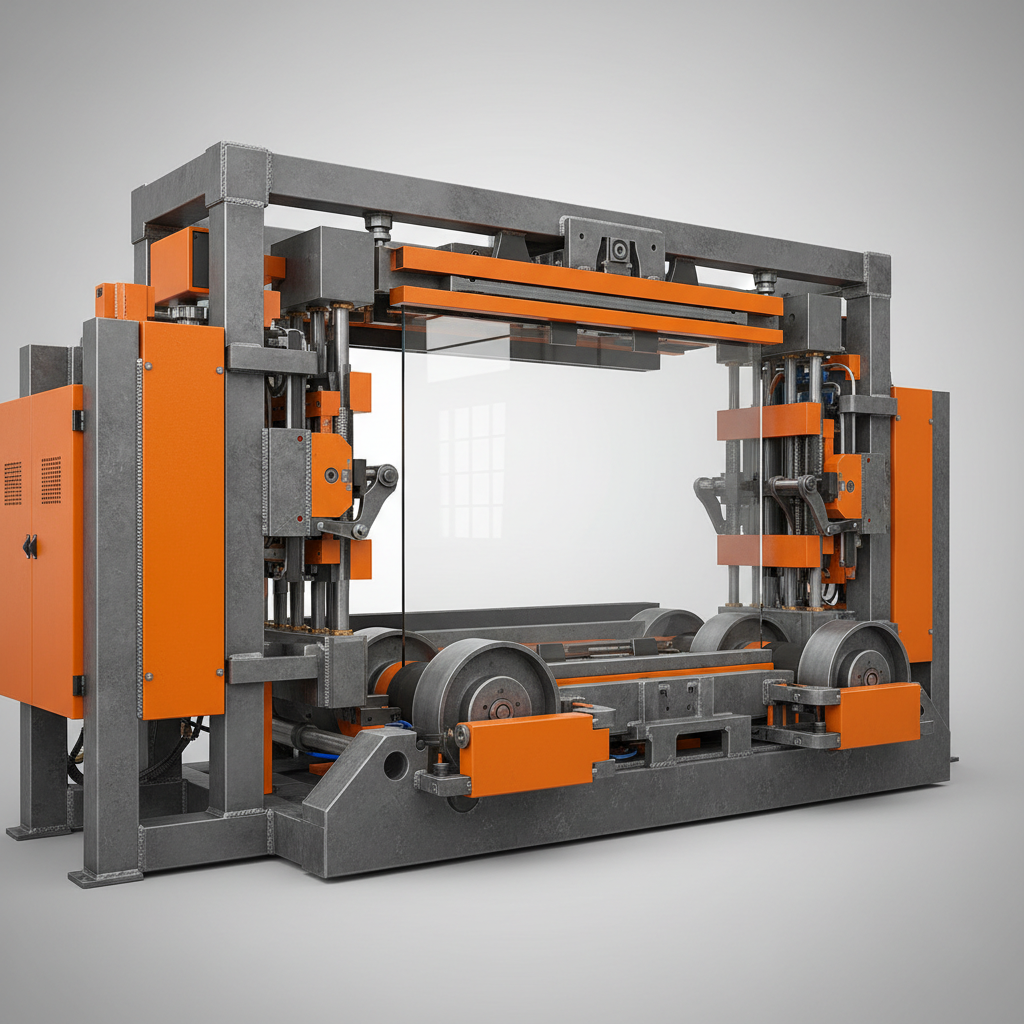
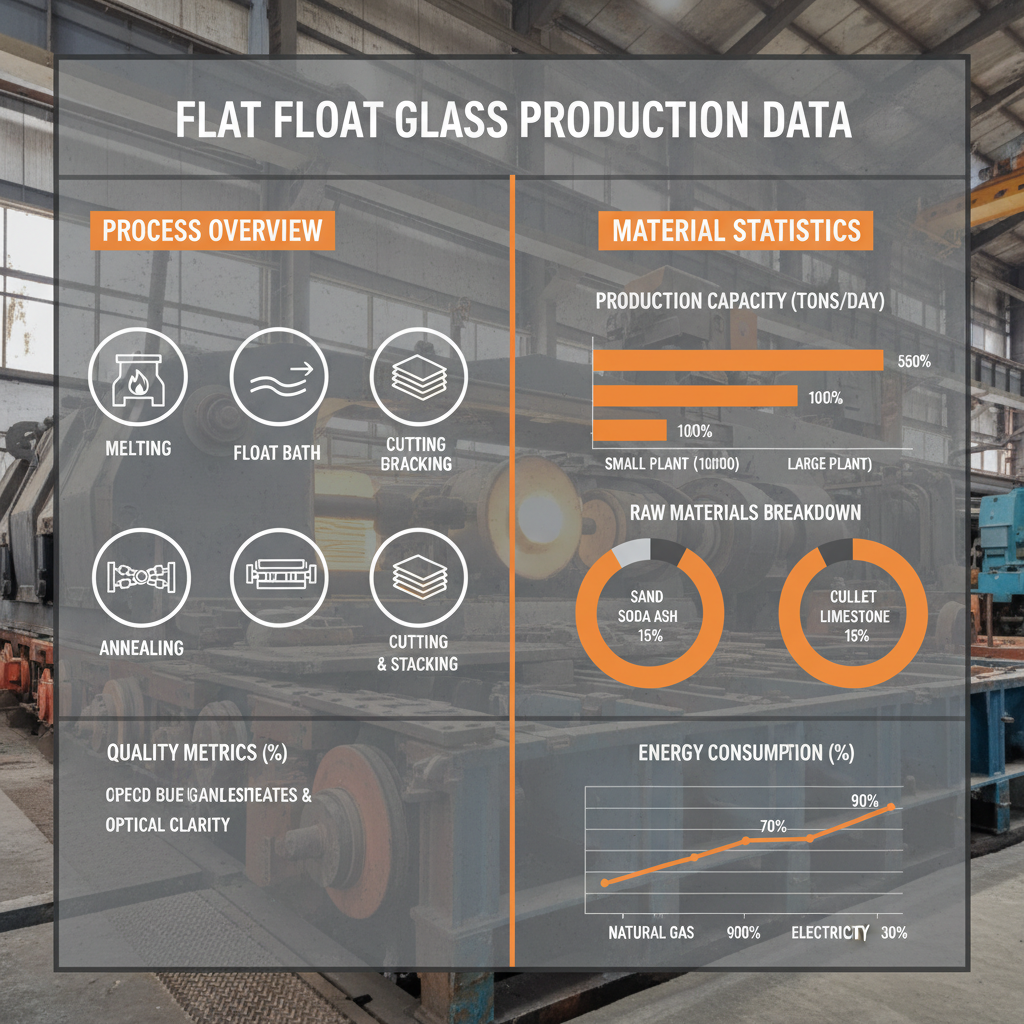
Flat float glass is a type of sheet glass manufactured using the float glass process, a revolutionary technique patented in 1952 by Alastair Pilkington. In this process, molten glass is poured onto a bed of molten tin, creating a perfectly flat and smooth surface. This eliminates the need for grinding and polishing, resulting in a high-quality product with exceptional optical properties.
The resulting glass is typically soda-lime glass, known for its affordability and versatility, although other compositions, such as borosilicate glass, can also be produced using the float process. The term "flat" distinguishes it from other types of glass, such as curved or patterned glass, and highlights its primary characteristic: a consistently uniform surface.
This method fundamentally changed the glass industry, enabling the mass production of high-quality flat glass for a multitude of applications. Prior to the float process, producing large, clear sheets of glass was a costly and labor-intensive undertaking, significantly limiting its use.
Core Properties of flat float glass
One of the most defining properties of flat float glass is its exceptional flatness. This is a direct result of the float process, where the glass naturally conforms to the surface of the molten tin. This flatness is crucial for optical applications, ensuring minimal distortion and clarity.
Another key property is its high transparency. The purity of the raw materials and the controlled manufacturing environment contribute to a glass with minimal imperfections, allowing for a high percentage of light transmission. This makes it ideal for windows, skylights, and other applications where natural light is desired.
Finally, flat float glass possesses excellent durability and resistance to weathering. It can withstand extreme temperatures, UV radiation, and moisture without significant degradation, making it a long-lasting and reliable material for both indoor and outdoor applications. Its inherent strength also contributes to its safety, particularly when tempered or laminated.
Key Factors Influencing flat float glass Performance
The performance of flat float glass is influenced by several key factors, starting with the raw material composition. The proportions of silica, soda ash, and lime used in the glass mixture directly affect its properties, such as its refractive index and thermal expansion coefficient.
Manufacturing processes also play a critical role. Precise control of the melting temperature, cooling rate, and tin bath conditions are essential for ensuring consistent quality and flatness. Moreover, surface treatments, such as coatings for low-emissivity or solar control, can significantly enhance its performance characteristics.
Performance Metrics of Different flat float glass Types
Global Applications of flat float glass
The applications of flat float glass are incredibly diverse. In the construction industry, it’s used extensively in windows, curtain walls, and interior partitions, providing natural light and aesthetic appeal. Architectural designs increasingly utilize large glass panels to create modern and open spaces.
Beyond construction, flat float glass is vital in the automotive industry, forming windshields, side windows, and rear windows. The safety features of automotive glass, such as lamination and tempering, are crucial for passenger protection. The electronics industry also relies heavily on flat float glass for displays, touchscreens, and protective covers for devices like smartphones and televisions.
The Long-Term Value of flat float glass
The long-term value of flat float glass extends beyond its immediate functional benefits. Its durability and longevity contribute to reduced maintenance costs and a longer lifespan for buildings and products. Moreover, the increasing use of energy-efficient flat float glass with low-emissivity coatings can significantly reduce energy consumption and lower heating and cooling costs.
From a sustainability perspective, flat float glass is recyclable, reducing landfill waste and conserving valuable resources. The development of innovative manufacturing processes aimed at reducing energy consumption and carbon emissions further enhances its environmental profile. Investing in high-quality flat float glass is therefore a sound economic and environmental decision.
Ultimately, flat float glass contributes to safer, more comfortable, and more sustainable living and working environments, enhancing the quality of life for individuals and communities worldwide.
Future Trends in flat float glass Technology
Several exciting trends are shaping the future of flat float glass technology. One prominent development is the increasing use of digital printing techniques to create customized glass designs and patterns, offering greater aesthetic flexibility. Another area of innovation is the development of self-cleaning glass coatings, reducing maintenance requirements and enhancing visibility.
Research is also underway to develop thinner and lighter glass compositions without compromising strength or durability, enabling new applications in areas like flexible displays and lightweight automotive components. The integration of smart technologies, such as electrochromic glass that can adjust its transparency based on light levels, is also gaining traction.
Finally, sustainable manufacturing practices, including the use of recycled glass cullet and renewable energy sources, are becoming increasingly important, aligning the flat float glass industry with global sustainability goals.
Summary of Future Trends in flat float glass
| Trend Category |
Technology Focus |
Potential Impact |
Adoption Timeline |
| Digital Printing |
Inkjet and Screen Printing |
Enhanced Aesthetic Design |
Short-Term (1-3 Years) |
| Self-Cleaning Coatings |
Hydrophobic and Photocatalytic |
Reduced Maintenance |
Medium-Term (3-5 Years) |
| Thin Glass Technology |
Chemical Strengthening & New Compositions |
Flexible Displays & Lightweighting |
Medium-Term (3-5 Years) |
| Smart Glass |
Electrochromic and Thermochromic |
Dynamic Light Control |
Long-Term (5-10 Years) |
| Sustainable Manufacturing |
Recycled Cullet & Renewable Energy |
Reduced Environmental Impact |
Ongoing |
| Advanced Coatings |
Anti-Reflective & UV Blocking |
Improved Optical Properties |
Short-Term (1-3 Years) |
FAQS
Annealed glass is the base form, slowly cooled to reduce internal stresses but prone to shattering into large, sharp shards. Tempered glass is heat-treated for increased strength, breaking into small, relatively harmless pieces. Laminated glass consists of two or more layers bonded with a plastic interlayer, retaining shape even when broken, enhancing safety and security.
Glass thickness significantly influences its strength, insulation, and soundproofing capabilities. Thicker glass offers greater resistance to impact and breakage, better thermal performance, and improved acoustic isolation. The appropriate thickness depends on the specific application and local building codes, considering factors like wind load and structural requirements.
Low-E (low-emissivity) coating is a microscopically thin, transparent coating applied to flat float glass. It reduces the amount of infrared and ultraviolet light that can pass through the glass, improving energy efficiency by keeping buildings warmer in winter and cooler in summer. This results in reduced heating and cooling costs.
Flat float glass is primarily recycled by crushing it into cullet, which can then be used as a raw material in the manufacturing of new glass products. Using recycled glass reduces energy consumption, minimizes landfill waste, and conserves natural resources. It also lowers the melting temperature required, further decreasing environmental impact.
Various safety standards govern flat float glass used in construction, including those established by ASTM International, ANSI, and ISO. These standards address aspects like strength, impact resistance, thermal stress, and fire resistance. Building codes often reference these standards to ensure the safe and reliable performance of glass products in buildings.
Selecting the right flat float glass requires careful consideration of the project’s specific needs. Factors to consider include structural requirements, thermal performance, safety concerns, aesthetic preferences, and budgetary constraints. Consulting with a glass specialist or architect can help ensure the optimal glass type is chosen for the application.
Conclusion
In conclusion, flat float glass is a fundamental material that underpins a vast range of modern technologies and industries. From its innovative manufacturing process to its diverse applications and continuous evolution, it remains a cornerstone of construction, automotive, and electronics. Understanding its properties, performance factors, and future trends is vital for professionals and consumers alike.
As sustainability concerns grow, the focus on eco-friendly manufacturing and recycling practices will continue to shape the future of flat float glass. Continued innovation in coatings, smart glass technologies, and thinner glass compositions promises to unlock even more possibilities. For further information about high-quality flat float glass products and solutions, visit our website: www.chinamirrorglass.com.