Transparent float glass is a cornerstone material in modern construction and numerous industries globally. Its exceptional clarity, combined with its strength and versatility, makes it an indispensable component in everything from architectural marvels to everyday consumer products. Understanding the properties and applications of transparent float glass is crucial for architects, engineers, manufacturers, and even policymakers aiming for sustainable and innovative solutions. Its significance extends beyond mere aesthetics, impacting energy efficiency, safety, and overall quality of life.
The global demand for transparent float glass continues to rise, driven by urbanization, infrastructure development, and an increasing focus on sustainable building practices. According to recent reports from the UN and World Bank, construction activity is projected to increase significantly in developing nations, fueling the demand for high-quality glass products. The ISO standards governing glass production and quality control play a vital role in ensuring consistent performance and safety across international markets. A critical challenge lies in balancing this increasing demand with environmentally responsible manufacturing processes and reducing carbon footprints.
Transparent float glass addresses this challenge by offering a durable, energy-efficient, and aesthetically pleasing material that contributes to sustainable building designs. It’s a fundamental element in creating structures that prioritize both functionality and environmental responsibility, making it a vital material in the 21st century.
Introduction: Global Relevance of Transparent Float Glass
Transparent float glass is not merely a construction material; it’s a critical component of global infrastructure, contributing significantly to architectural designs, automotive safety, and technological advancements. Its widespread use stems from its unique properties, including exceptional optical clarity, consistent thickness, and smooth surfaces, which are essential for a vast array of applications. The global market for transparent float glass is a multi-billion dollar industry, reflecting its indispensable role in modern life. transparent float glass
The increasing demand for sustainable and energy-efficient buildings has further amplified the importance of transparent float glass. Modern architectural trends favor large glass facades to maximize natural light penetration, reducing reliance on artificial lighting and lowering energy consumption. This trend is particularly pronounced in urban areas where maximizing space and natural light is paramount. The ability of transparent float glass to be manufactured with specialized coatings for enhanced thermal performance makes it a vital component of green building designs.
Defining Transparent Float Glass
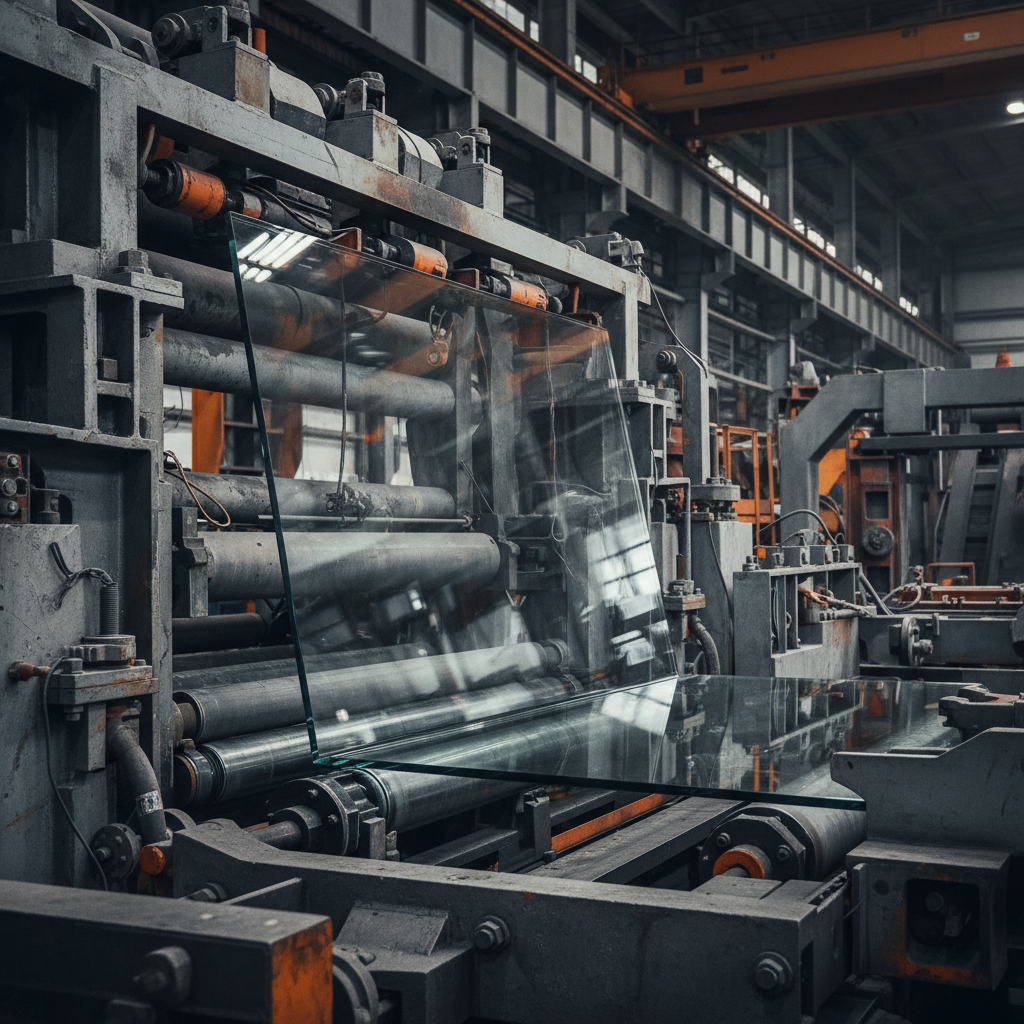
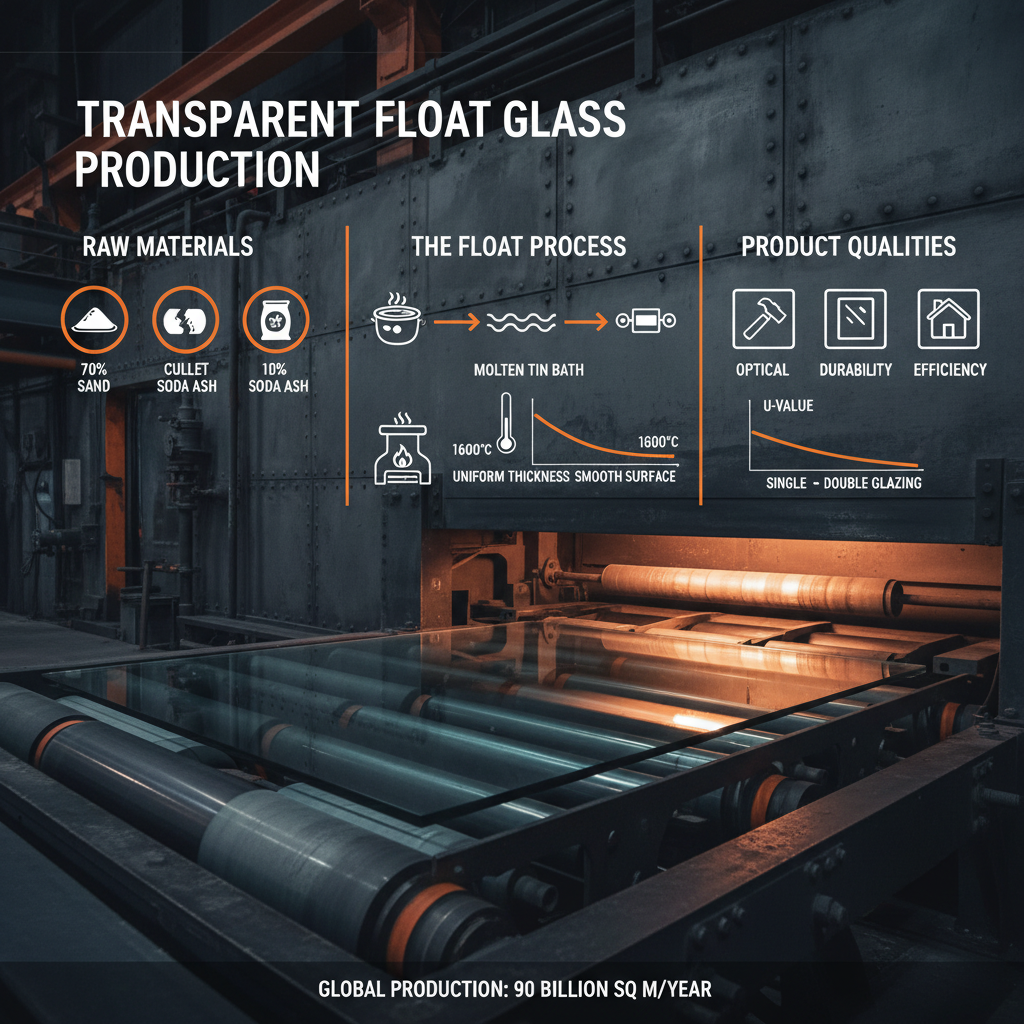
Transparent float glass is a type of sheet glass manufactured using the float process, a revolutionary technique developed in the 1950s. In this process, molten glass is floated on a bed of molten tin, creating a perfectly flat and uniform sheet. This method eliminates the need for grinding and polishing, resulting in a glass with exceptional clarity, smoothness, and dimensional accuracy. The absence of distortion makes it ideal for applications requiring a clear, unobstructed view.
Unlike traditional glassmaking methods, the float process allows for continuous production, making it a cost-effective solution for large-scale applications. The resulting glass is naturally transparent, meaning it doesn't require any additional treatment to achieve its clarity. However, it can be further processed – tempered, laminated, coated – to enhance its strength, safety, and performance characteristics.
This material is integral to modern industrial and humanitarian needs. In construction, it's a fundamental element in windows, doors, and curtain walls. Beyond building, it’s used in automotive windshields, solar panels, and optical instruments, showcasing its broad applicability and impact on diverse sectors.
Key Properties of Transparent Float Glass
One of the most critical properties of transparent float glass is its optical clarity. Due to the float process, the glass surface is remarkably flat and free from distortions, providing an undistorted view. This clarity is crucial in applications where visual perception is paramount, such as windows, displays, and optical lenses. The high light transmission rate ensures maximum brightness and minimizes glare, contributing to comfortable and energy-efficient environments.
Durability is another key characteristic. While glass is inherently brittle, transparent float glass exhibits significant strength due to its consistent composition and the absence of internal stresses. It’s resistant to scratching, weathering, and chemical corrosion, ensuring long-lasting performance even in harsh environments. Furthermore, it can be strengthened through tempering or lamination processes, enhancing its resistance to impact and breakage.
Thermal stability is also essential. Transparent float glass has a relatively low thermal expansion coefficient, meaning it doesn't expand or contract significantly with temperature changes. This property prevents stress buildup and reduces the risk of cracking, making it suitable for applications exposed to fluctuating temperatures. Its ability to withstand temperature variations makes it ideal for use in a wide range of climates.
Applications in Modern Industries
Transparent float glass finds extensive use in the construction industry, serving as the primary material for windows, doors, curtain walls, and interior partitions. Its clarity and strength contribute to aesthetically pleasing and structurally sound buildings. Moreover, specialized coatings can be applied to enhance its thermal insulation, solar control, and safety properties, resulting in energy-efficient and secure structures.
The automotive industry relies heavily on transparent float glass for windshields, side windows, and rear windows. These glass components are engineered to provide optimal visibility, structural integrity, and passenger safety. Laminated glass, in particular, is used in windshields to prevent shattering upon impact, minimizing the risk of injury.
Transparent Float Glass Application Distribution
Advantages and Long-Term Value
The primary advantage of transparent float glass lies in its cost-effectiveness. The float process enables mass production, significantly lowering manufacturing costs compared to traditional methods. This affordability makes it accessible for a wide range of applications and budgets, contributing to its widespread adoption.
Beyond cost, transparent float glass offers exceptional durability and longevity. When properly installed and maintained, it can last for decades, reducing the need for frequent replacements. This long-term value translates into significant savings over the lifecycle of a building or product, making it a sustainable investment.
Future Trends and Innovations
The future of transparent float glass is intertwined with advancements in sustainable materials and energy-efficient technologies. Research is underway to develop glass compositions with improved thermal insulation properties, reducing heat loss and lowering energy consumption. Self-cleaning glass coatings, utilizing nanotechnology, are also gaining traction, minimizing maintenance requirements and enhancing aesthetic appeal.
Smart glass technologies, which allow for dynamic control of transparency and light transmission, are poised to revolutionize the use of glass in buildings and vehicles. These technologies can automatically adjust to changing light conditions, optimize energy efficiency, and enhance privacy. The integration of transparent float glass with renewable energy technologies, such as solar cells, is also an exciting area of innovation.
Furthermore, digital transformation in manufacturing will enable more precise control over the glassmaking process, leading to higher quality products and reduced waste. Automation and artificial intelligence will play a key role in optimizing production efficiency and adapting to changing market demands.
Challenges and Sustainable Solutions
One of the major challenges associated with transparent float glass production is its energy intensity. The float process requires high temperatures, leading to significant energy consumption and carbon emissions. Addressing this requires investing in more energy-efficient furnaces, utilizing renewable energy sources, and optimizing the manufacturing process.
Another challenge is the responsible sourcing of raw materials. The production of transparent float glass relies on sand, soda ash, and limestone, which can have environmental impacts if not extracted sustainably. Promoting responsible mining practices and exploring alternative raw materials are crucial steps towards minimizing the environmental footprint of the industry.
Finally, end-of-life management of glass waste is a growing concern. Developing effective recycling programs and promoting the use of recycled glass in new products are essential for closing the loop and reducing landfill waste. transparent float glass is constantly working on these solutions.
Summarizing Core Solutions for Transparent Float Glass Challenges
| Challenge Area |
Proposed Solution |
Implementation Timeline |
Expected Impact (1-10) |
| High Energy Consumption |
Implement energy-efficient furnace technology |
Short-term (1-3 years) |
8 |
| Raw Material Sourcing |
Promote responsible mining practices |
Medium-term (3-5 years) |
7 |
| Glass Waste Management |
Develop and expand glass recycling programs |
Short-term (1-3 years) |
9 |
| Carbon Emissions |
Utilize renewable energy sources in production |
Medium-term (3-5 years) |
8 |
| Production Efficiency |
Implement automation and AI in manufacturing |
Long-term (5+ years) |
7 |
| Alternative Materials Research |
Invest in research and development of alternative glass compositions |
Long-term (5+ years) |
6 |
FAQS
Annealed glass is the standard type, cooled slowly to reduce internal stresses. Tempered glass undergoes a heat treatment process making it significantly stronger and safer – it shatters into small, blunt fragments instead of sharp shards. Laminated glass consists of two or more layers of glass bonded together with a plastic interlayer, providing enhanced safety, security, and sound insulation. The choice depends on the specific application and safety requirements.
Coatings applied to transparent float glass can significantly improve energy efficiency by reducing heat transfer. Low-emissivity (Low-E) coatings reflect infrared radiation, keeping heat inside during winter and outside during summer. Solar control coatings reduce the amount of solar heat gain, minimizing the need for air conditioning. These coatings can reduce energy consumption and lower utility bills.
Transparent float glass production can have environmental impacts related to energy consumption, raw material extraction, and waste generation. Efforts to mitigate these impacts include using recycled glass, optimizing furnace efficiency, adopting renewable energy sources, and developing responsible mining practices for raw materials. Sustainable manufacturing processes are becoming increasingly important.
Yes, transparent float glass is 100% recyclable. The recycling process typically involves collecting glass waste, removing contaminants, crushing it into cullet (broken glass), and melting it down to create new glass products. Using cullet reduces the need for virgin raw materials and lowers energy consumption during production.
Laminated transparent float glass is widely used in safety-critical applications such as automotive windshields, skylights, and balustrades. The plastic interlayer holds the glass fragments together upon impact, preventing shattering and reducing the risk of injury. It also provides enhanced security and sound insulation.
The thickness of transparent float glass directly impacts its strength, thermal performance, and sound insulation. Thicker glass is stronger and provides greater resistance to impact and breakage. It also offers better thermal insulation and reduces sound transmission. The appropriate thickness depends on the specific application and performance requirements.
Conclusion
Transparent float glass remains a cornerstone material for countless industries, offering a unique combination of clarity, durability, and versatility. Its continued evolution, driven by innovations in sustainable manufacturing, advanced coatings, and smart technologies, promises to further enhance its performance and reduce its environmental impact. Understanding its properties and applications is crucial for professionals across diverse sectors, enabling informed decision-making and promoting responsible use of this invaluable resource.
Looking ahead, the industry must prioritize sustainability, embracing circular economy principles and investing in research and development to minimize its carbon footprint. Collaboration between manufacturers, architects, and policymakers is essential to establish standards and promote the adoption of eco-friendly practices. Visit our website at www.chinamirrorglass.com to learn more about our commitment to providing high-quality and sustainable transparent float glass solutions.