
Dec . 02, 2025 15:02 Back to list
Understanding Laminated Glass Panels: Safety, Sustainability & Innovation
Laminated Glass Panels: An Essential Solution for Modern Safety and Design
Ever glanced at a sleek skyscraper’s glass façade or a car windshield and wondered about the secret behind its strength and safety? That, my friend, is often due to laminated glass panels. They’re more than just translucent surfaces; they’re key players in global infrastructure, vehicle safety, and even disaster relief efforts. Understanding laminated glass panels is crucial because they blend durability with safety, aesthetics with technology, and have become indispensable worldwide. In this article, we’ll untangle what laminated glass panels are, why they matter globally, and how they’re changing various industries for the better.
Global Context: Why Laminated Glass Panels Matter
The world is urbanizing at an unprecedented pace — the United Nations reports that by 2050, nearly 68% of the global population will live in cities[1]. Buildings are getting taller, transportation systems busier, and safety standards ever stricter. Laminated glass panels address several issues born from this rapid growth. They improve security by reducing the risk of shattering, increase energy efficiency by supporting insulated glass technology, and even help communities better prepare for natural disasters. Especially in countries prone to hurricanes, earthquakes, or high-impact accidents, these panels are a quiet cornerstone of resilience.
Yet, the challenge remains: How to design glass that’s lightweight yet tough, safe yet attractive, transparent yet energy-conscious? Laminated glass panels have been a practical answer to this exact dilemma.
What Are Laminated Glass Panels?
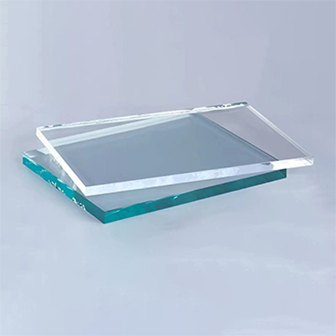
In plain terms, laminated glass panels consist of multiple sheets of glass bonded together with an interlayer, often made of polyvinyl butyral (PVB) or ethylene-vinyl acetate (EVA). Think of it as a sandwich: two or more layers of glass with a sticky, impact-absorbing filling in between. This not only keeps the glass firmly together if broken but also boosts its strength and sound dampening properties.
Why does this matter beyond just “strong glass”? For industries such as construction, automotive, and even aerospace or humanitarian aid, laminated glass panels offer a unique blend of safety and versatility — keeping people safe without sacrificing transparency or design freedom.
Core Components of Laminated Glass Panels
1. Durability
The bonding interlayer transforms fragile glass into a resilient barrier. It resists impact and prevents shards from scattering—an essential feature in cars and high-rise buildings alike. Durability also means longer service life and reduced maintenance.
2. Safety
Because laminated glass stays mostly intact when broken, it reduces injury risk from flying shards. It also delays forced entry, making it a popular choice for security-focused projects ranging from banks to museums.
3. Acoustic Performance
The interlayer offers noise reduction benefits, a boon in urban environments and busy streets—think quieter offices or peaceful home interiors amidst city hustle.
4. UV Protection
Many laminated panels block up to 99% of UV light, protecting interiors, artworks, and occupants from harmful rays, which is especially important in regions with strong sunlight.
5. Energy Efficiency
When used with insulated glazing units, laminated glass panels contribute to reducing heating and cooling demands — helping buildings meet sustainability goals.
6. Design Flexibility
Manufacturers can embed colored films, patterns, or even digital elements between layers — opening creative doors for architects and designers.
Global Applications & Use Cases
- Skyscrapers & Commercial Buildings: Laminated panels are used in façades for enhanced wind resistance and safety compliance, particularly in hurricane-prone zones like Florida or typhoon regions in Asia.
- Automotive Industry: Windshields and sunroofs rely heavily on laminated glass for crash resistance and sound insulation.
- Public Transportation: Trains and buses incorporate laminated glass to reduce noise and enhance passenger safety.
- Post-Disaster Relief: In emergency shelters, laminated glass panels offer security and longevity compared to traditional materials, essential in places like Southeast Asia’s cyclone corridors.
- Art Preservation: Museums use laminated glass cases to protect priceless artifacts from UV damage and accidental breakage.
Notably, regions with stringent building codes, such as the European Union (which adheres to EN 14449 standards[2]), drive innovation in laminated glass panel manufacturing.
Product Specification: Typical Laminated Glass Panel
| Specification | Typical Value |
|---|---|
| Glass Layers | 2 to 5 plies |
| Interlayer Material | Polyvinyl Butyral (PVB) or EVA |
| Thickness Range | 6mm to 13.5mm |
| UV Protection | Up to 99% |
| Sound Reduction | Up to 35 dB |
Vendor Comparison: Leading Laminated Glass Panel Manufacturers
| Vendor | Specialty | Sustainability | Global Reach | Customization |
|---|---|---|---|---|
| China Mirror Glass Co. | High-volume production, energy efficient panels | ISO 14001 certified | Asia, Americas, Europe | Wide range of interlayer customization |
| Guardian Glass | Innovative coatings, digital printing | Sustainability reporting, recycled content | Global distribution | Bespoke design services |
| Asahi Glass Co. (AGC) | Cutting-edge strength and safety tech | Eco initiatives, energy-efficient plants | Asia-Pacific focus with exports | Custom interlayer thickness and colors |
Advantages & Long-Term Value of Laminated Glass Panels
There’s a comforting logic to laminated glass panels—they combine multiple protective functions in a single element. The cost savings come not just from enhanced durability (less breakage, fewer repairs), but also from better energy efficiency and decreased insurance premiums. On a human level, they offer safety and dignity; imagine families in cyclone-prone regions feeling secure inside homes fitted with laminated glass windows, or museum-goers admiring priceless art shielded from UV damage.
Their sustainability angle is increasingly important too. Using recycled glass in laminated panels and adopting green manufacturing processes aligns with global climate goals (think ISO 14001 standards). Plus, the panels’ acoustic comfort contributes to healthier urban environments.
Looking Ahead: Future Trends & Innovations
The tech keeps rolling forward. Smart laminated glass, which adjusts opacity or thermal properties with electric signals, is becoming a reality. Incorporating PV cells into laminated layers for solar energy harvesting is also gaining traction—imagine windows generating electricity while keeping you safe and cozy.
Automation in manufacturing promises higher precision and cost efficiency, while regulations pushing for greener products encourage research into bio-based interlayers and recycled glass.
Challenges & Solutions
That said, laminated glass panels aren’t perfect. Challenges like higher initial cost compared to standard glass, recycling complexity due to mixed materials, and thickness limitations affect some applications.
Experts suggest modular designs for easier component replacement, as well as innovations in chemical recycling methods to reclaim valuable materials. Collaboration between manufacturers and sustainability institutes is helping overcome these hurdles.
Frequently Asked Questions About Laminated Glass Panels
- What makes laminated glass panels safer than tempered glass?
- Laminated glass holds together when shattered due to the interlayer, reducing injury risks from flying shards. Tempered glass shatters into small pieces but doesn’t stay bonded, so laminated is preferred where high safety is critical.
- How long do laminated glass panels typically last in buildings?
- With proper installation and maintenance, laminated glass panels can last 20-30 years or more, retaining strength and clarity over time.
- Are laminated glass panels eco-friendly?
- While manufacturing requires energy, many panels use recycled glass and PVB interlayers can be recycled, aligning with eco-friendly building standards.
- Can laminated glass panels be customized with colors or patterns?
- Yes, manufacturers often embed colored or patterned films within the interlayer, allowing for tailored aesthetics without compromising safety.
- How do international buyers import laminated glass panels?
- Most suppliers handle export logistics, complying with local standards and certifications. Working with experienced vendors like China Mirror Glass Co. simplifies this process.
Conclusion
So, laminated glass panels are truly the unsung heroes in many facets of modern life—from giving us the glass walls in iconic buildings to securing our vehicles and protecting communities vulnerable to natural disasters. They bring together safety, sustainability, and style in a way few materials can. For anyone involved in construction, automotive, or infrastructure development, keeping laminated glass panels top of mind is a smart move, now and for the future.
To explore quality laminated glass panels and understand more about how they can fit your needs, I highly recommend visiting China Mirror Glass. They’re a solid reference point in this industry.
Frankly, it feels like laminated glass panels are only going to get more fascinating — and vital — as technology and sustainability pressures mount. I, for one, will be watching closely.
Quick Reflection: Laminated glass panels exemplify how thoughtful engineering can uplift safety, aesthetics, and sustainability simultaneously, bridging the needs of society, industry, and environment.
- United Nations, World Urbanization Prospects (2018)
- European Committee for Standardization, EN 14449: Glass in Building - Laminated Glass Standards
- ISO 14001 Environmental Management Standards
-
Enhance Your Home Decor with a Stylish Floor Length Mirror with Lights
NewsMar.31,2026
-
Elevate Your Bathroom with a Stylish Bathroom Round Mirror with Light
NewsMar.28,2026
-
Enhance Your Bathroom with the Perfect LED Vanity Mirror Bathroom Lighting
NewsMar.26,2026
-
Choosing the Perfect Illuminated Shaving Mirror For Your Daily Grooming Routine
NewsMar.24,2026
-
Choosing the Perfect Illuminated Dressing Table Mirror for Your Beauty Routine
NewsMar.21,2026
-
Enhance Your Space with a Stylish LED Mirror Black Frame A Comprehensive Guide
NewsMar.19,2026