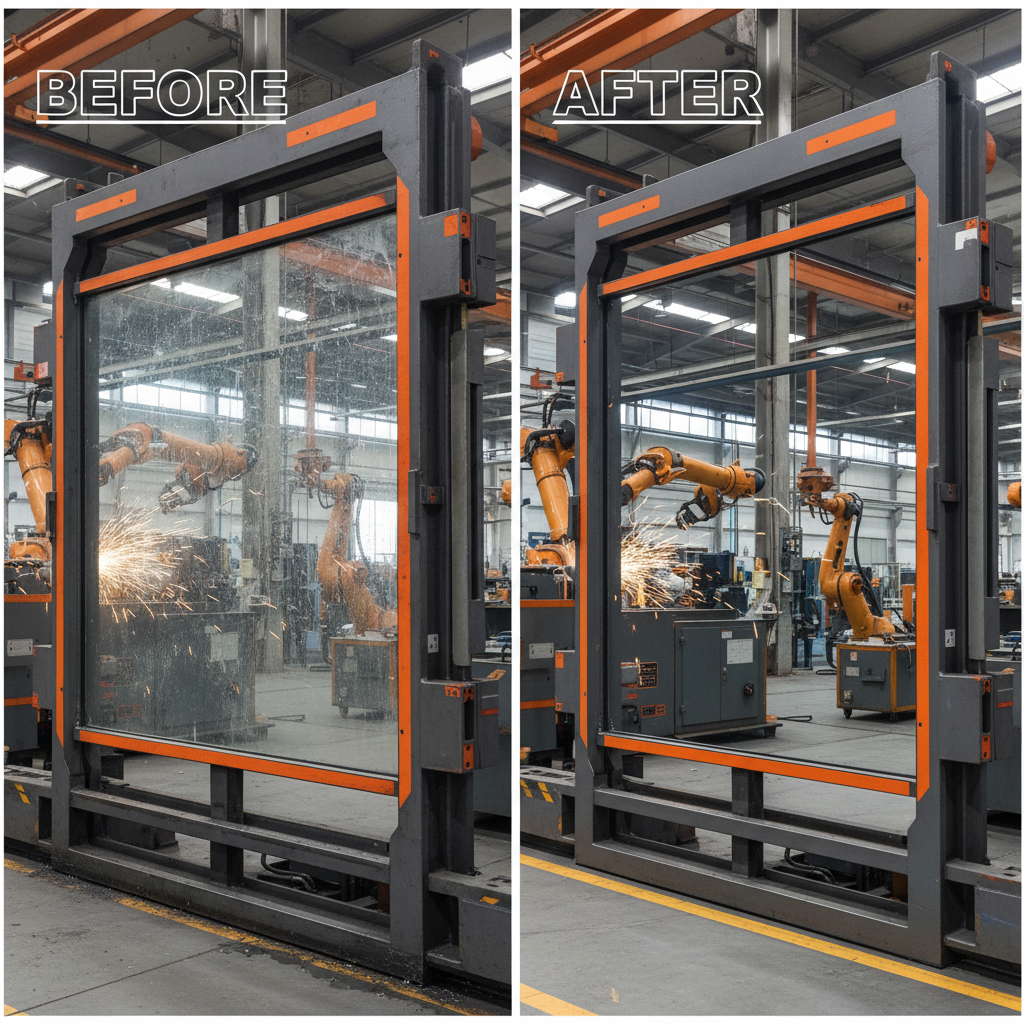
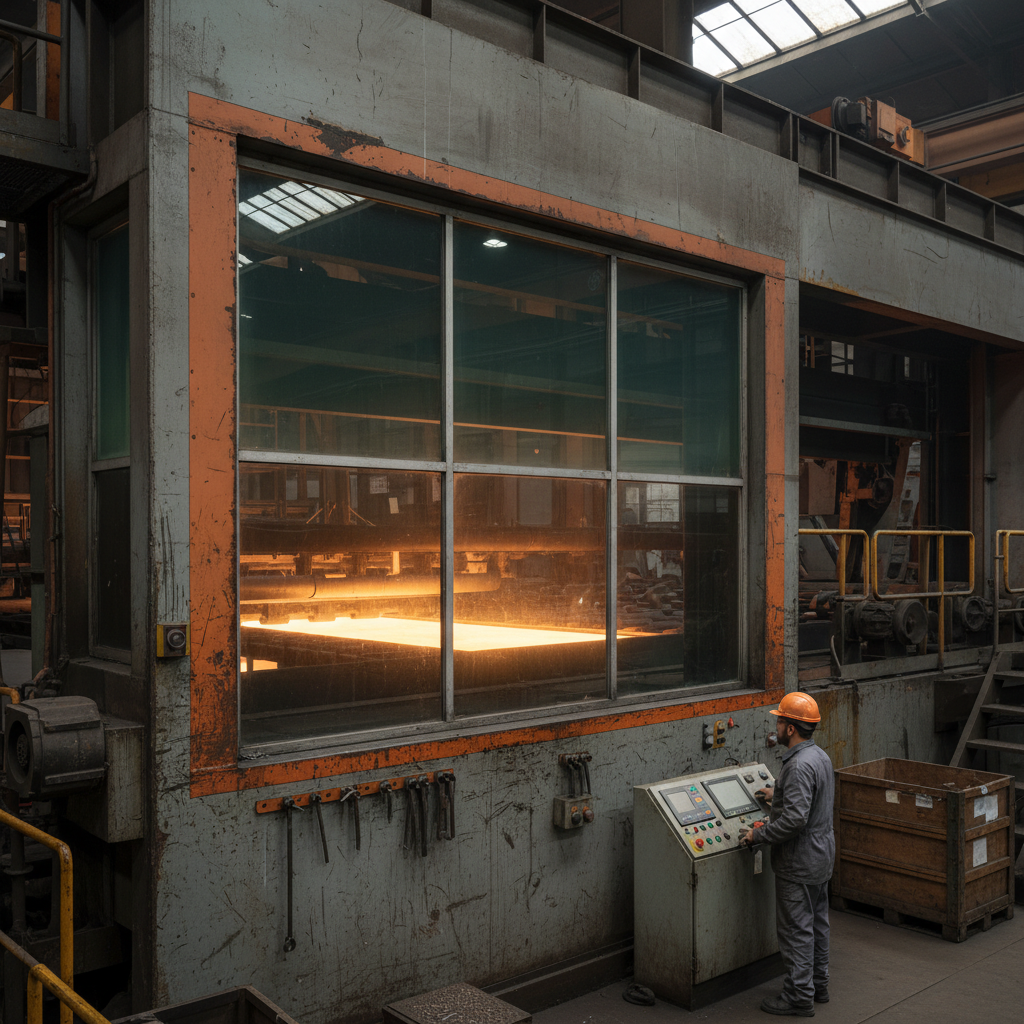
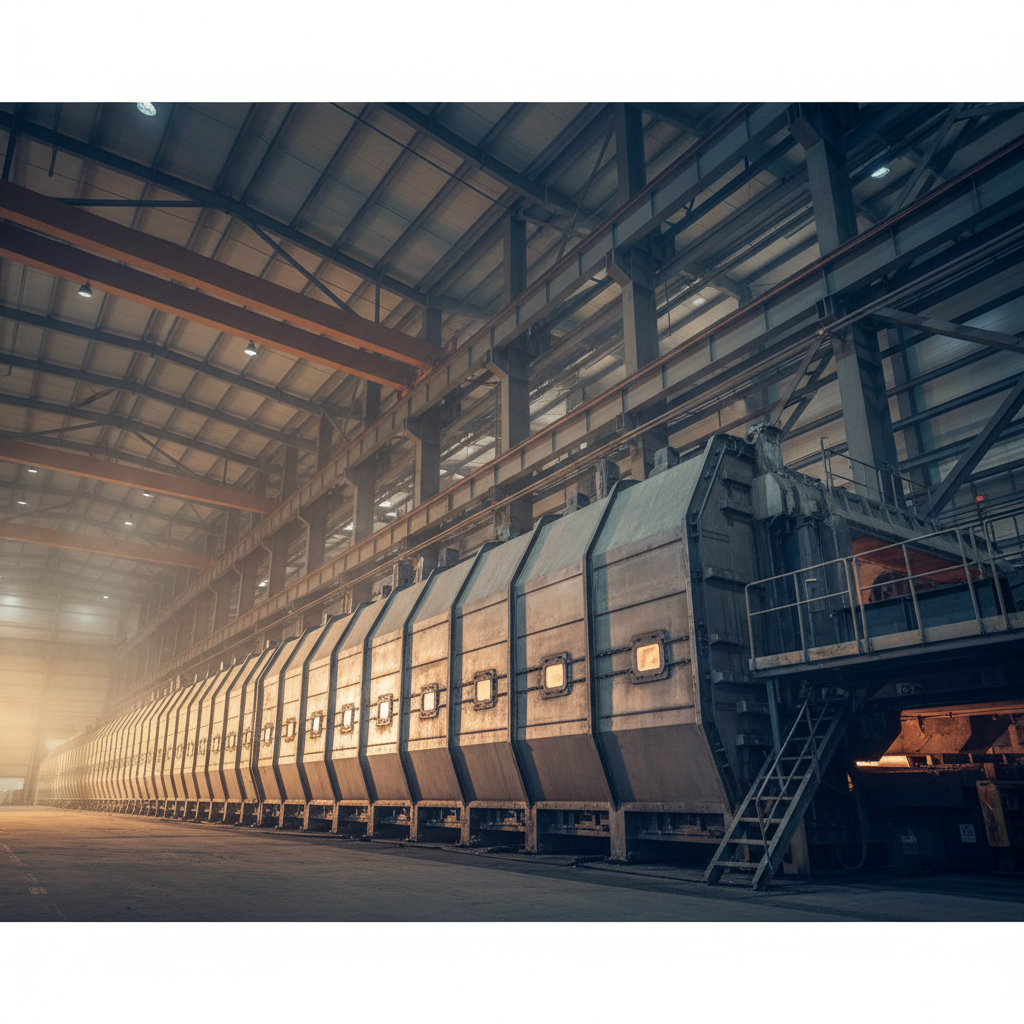
Reflective float glass, a sophisticated material born from advancements in glass manufacturing, has become a cornerstone of modern architecture and industrial design. Its unique properties – reflecting light while allowing visibility – offer a blend of aesthetic appeal and functional benefits. This specialized glass isn't simply about mirrors; it's about controlling solar gain, enhancing building energy efficiency, and creating visually striking facades. The increasing global demand for sustainable building materials is further propelling the growth of the reflective float glass industry.
The global market for reflective float glass is experiencing steady growth, driven by the expansion of the construction sector, particularly in emerging economies. According to data from the UN, urbanization rates continue to climb, leading to increased demand for buildings that incorporate energy-efficient technologies. The World Bank reports a significant rise in infrastructure investments globally, further boosting the demand for high-performance building materials. ISO standards are continually evolving to emphasize sustainable and energy-saving solutions, highlighting the importance of materials like reflective float glass.
The widespread adoption of reflective float glass addresses a critical challenge: balancing the need for natural light in buildings with the desire to minimize energy consumption. Traditional glass allows excessive heat gain during warmer months, necessitating increased air conditioning and escalating energy costs. Reflective float glass mitigates this issue, contributing to reduced carbon footprints and a more sustainable built environment.
Introduction to Reflective Float Glass
Reflective float glass represents a significant advancement in glass technology, merging the clarity of standard float glass with a metallic coating that imparts reflective properties. This combination isn't merely cosmetic; it fundamentally alters the glass's interaction with light and heat, making it an essential component in modern architectural and automotive applications. The benefits extend beyond aesthetics, impacting energy efficiency and occupant comfort.
The use of reflective float glass is increasing rapidly across the globe, particularly in regions experiencing rapid urbanization and a growing awareness of environmental concerns. As building codes become stricter regarding energy performance and sustainability, the demand for materials like reflective float glass will only continue to rise. reflective float glass suppliers are poised to benefit from this trend.
Defining Reflective Float Glass
Reflective float glass is a type of glass that has been treated with a metallic coating – typically a thin film of silver, aluminum, or chromium – to reflect portions of the electromagnetic spectrum, including visible light and infrared radiation. This process is generally achieved using a technique called sputtering, where a target material is bombarded with ions, causing atoms to be ejected and deposited onto the glass surface.
Unlike standard float glass, reflective float glass isn’t about complete transparency. The metallic coating imparts a mirrored appearance, reducing light transmission and controlling solar heat gain. The level of reflectivity can be adjusted by varying the coating thickness and material composition, allowing manufacturers to tailor the glass to specific performance requirements.
Its connection to modern industry stems from the growing need for energy-efficient buildings and sustainable construction practices. In a world facing climate change, reducing energy consumption is paramount, and reflective float glass plays a vital role in achieving this goal by minimizing the need for artificial cooling and lighting.
Key Properties of Reflective Float Glass
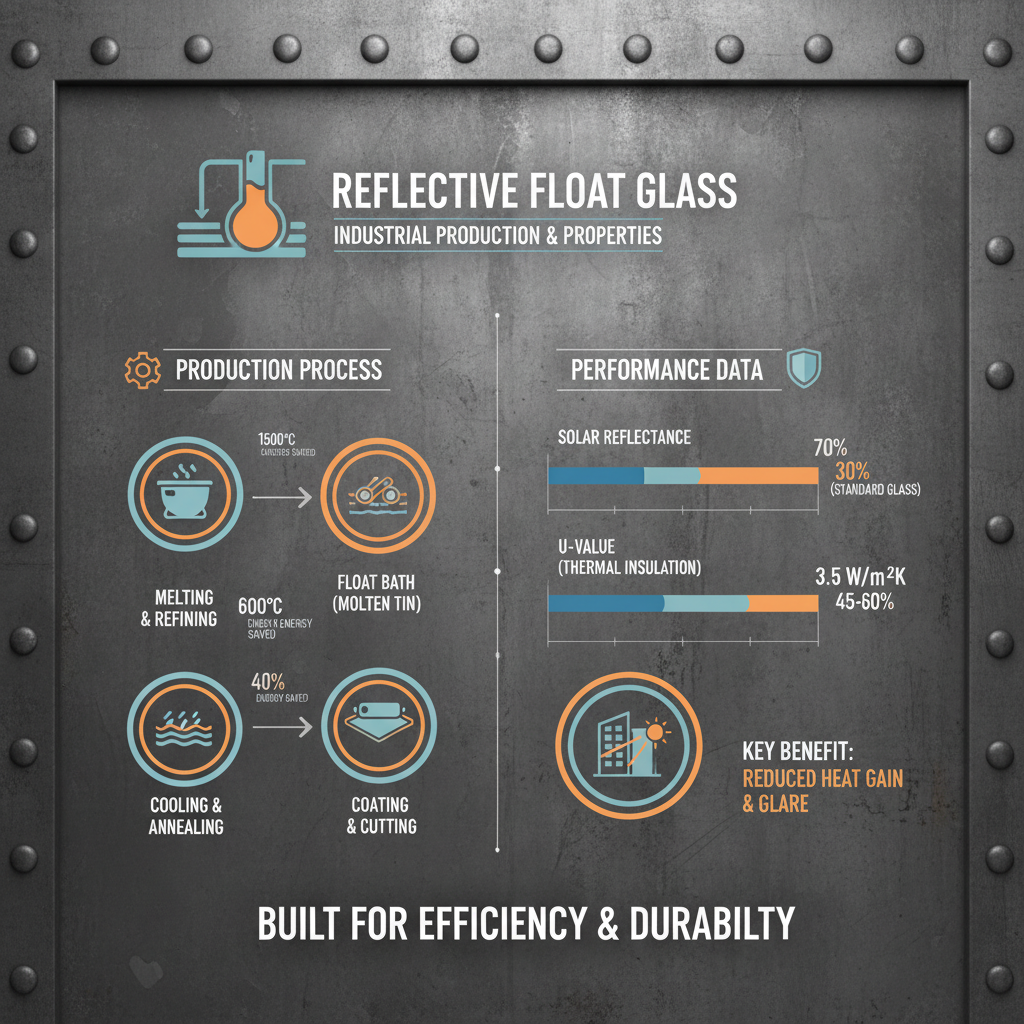
One crucial property of reflective float glass is its ability to reduce solar heat gain coefficient (SHGC). SHGC measures the fraction of solar radiation that enters a building through a window. Lower SHGC values indicate better performance in blocking heat, leading to reduced cooling costs. Reflective float glass significantly lowers SHGC, making it ideal for hot climates.
Another key aspect is its visible light transmission (VLT). While reflective float glass reduces overall light transmission compared to clear glass, manufacturers can balance reflectivity and VLT to maintain adequate natural daylighting within buildings. Different coating types allow for varying levels of VLT to meet diverse design requirements.
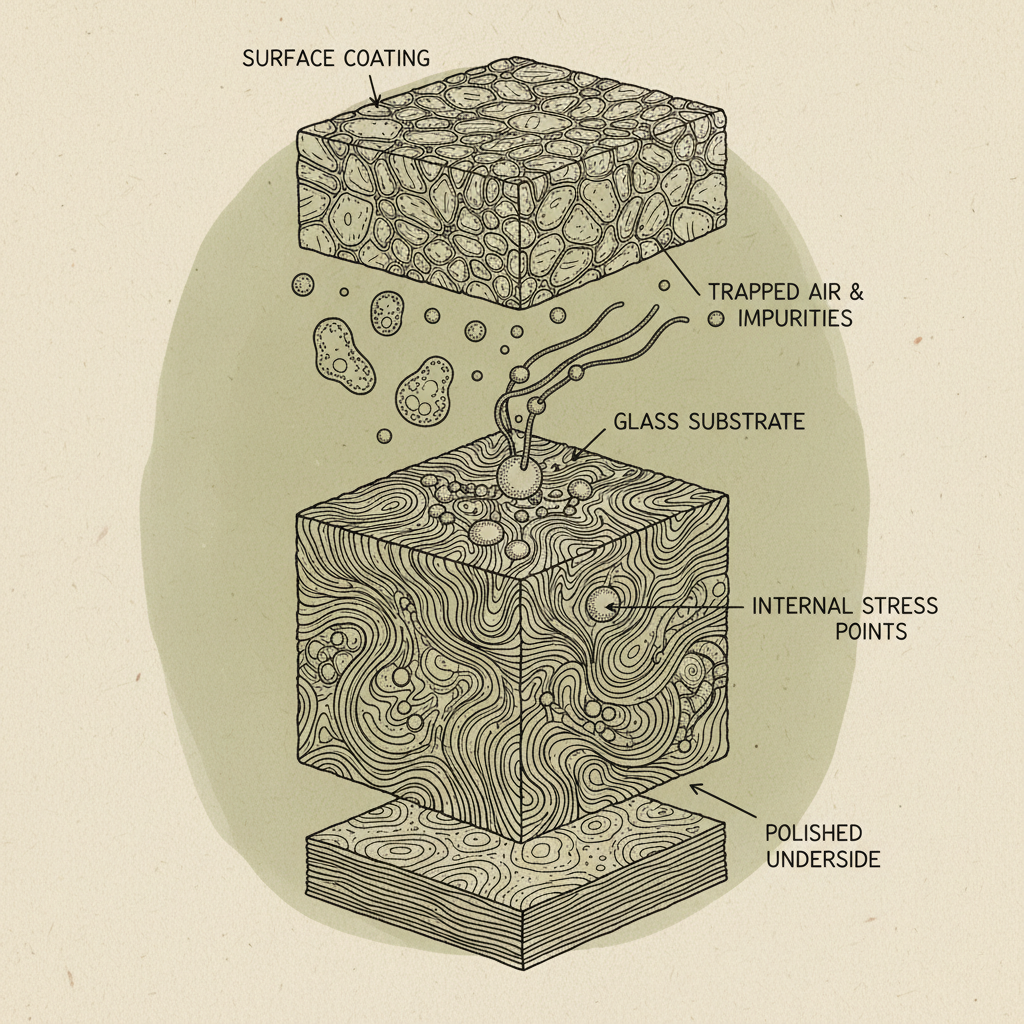
Durability is also a critical property. The metallic coatings are typically applied between glass layers, offering protection from scratches and environmental damage. This enhances the lifespan of the glass and minimizes the need for replacement, contributing to long-term cost savings. Reflective float glass also exhibits excellent resistance to corrosion and weathering.
Practical Applications Across Industries
The applications of reflective float glass are incredibly diverse. In architecture, it's widely used in building facades to create visually striking designs while simultaneously improving energy efficiency. Skyscrapers and commercial buildings often employ reflective glass to regulate temperature and reduce glare. reflective float glass is a staple in modern construction.
Automotive industries use reflective glass for windshields and windows to minimize heat buildup inside vehicles, enhancing passenger comfort and reducing the load on air conditioning systems. This also improves the visibility for drivers by reducing glare from sunlight. The demand in this sector continues to grow with increasing vehicle production globally.
Reflective Float Glass Performance Metrics
Advantages and Long-Term Value
The economic benefits of reflective float glass are substantial. Reduced energy costs translate to significant savings over the lifespan of a building. Furthermore, its durability minimizes replacement costs, offering a strong return on investment. These financial advantages make it a compelling choice for developers and building owners.
Beyond the economic benefits, reflective float glass contributes to a more sustainable future. By reducing energy consumption, it lowers greenhouse gas emissions, helping to mitigate climate change. Its long lifespan also minimizes waste, aligning with circular economy principles.
Future Trends in Reflective Float Glass
Research and development efforts are focused on creating more advanced reflective coatings with enhanced performance characteristics. This includes exploring new materials and deposition techniques to achieve higher reflectivity, improved durability, and greater control over light transmission.
Smart glass technologies, which incorporate electrochromic or thermochromic properties, are also gaining traction. These glasses can dynamically adjust their reflectivity and transparency in response to changing environmental conditions, further optimizing energy efficiency and occupant comfort. The integration of smart glass with building automation systems will become increasingly common.
The demand for sustainable materials will continue to drive innovation in reflective float glass. Manufacturers are exploring ways to reduce the environmental impact of their production processes, including minimizing waste and using more eco-friendly materials.
Challenges and Potential Solutions
One challenge associated with reflective float glass is its relatively higher initial cost compared to standard float glass. However, this cost is often offset by long-term energy savings and reduced maintenance expenses. Finding ways to lower manufacturing costs without compromising performance remains a key focus.
Another challenge is the potential for glare, especially in certain orientations. Careful design considerations, such as optimizing window placement and using appropriate shading devices, can mitigate this issue. Advanced coating technologies that reduce glare while maintaining reflectivity are also being developed.
Ensuring the consistent quality of coatings across large-scale production runs is another challenge. Implementing robust quality control measures and investing in advanced monitoring equipment are essential to maintaining high standards.
Summary of Reflective Float Glass Challenges and Solutions
| Challenge |
Impact |
Potential Solution |
Implementation Cost |
| High Initial Cost |
Discourages adoption by price-sensitive projects |
Optimized manufacturing processes & government incentives |
Medium |
| Potential Glare |
Reduced occupant comfort & visual impairment |
Advanced coating technologies & strategic window placement |
Low-Medium |
| Coating Durability |
Reduced performance over time |
Multi-layer coating systems & protective laminates |
Medium-High |
| Quality Control |
Inconsistent performance across batches |
Automated inspection systems & rigorous testing protocols |
Medium |
| Supply Chain Disruptions |
Delayed projects & increased costs |
Diversified sourcing & strategic inventory management |
Low |
| Environmental Impact of Production |
Resource depletion & pollution |
Sustainable manufacturing practices & waste reduction initiatives |
Medium-High |
FAQS
The lifespan of reflective float glass in a commercial building typically ranges from 20 to 30 years, depending on the quality of the glass, the coating used, and the environmental conditions. Proper maintenance and protection from extreme weather events can extend its lifespan further. The metallic coating, while durable, can degrade over time due to UV exposure and abrasion. Regular inspections are recommended to identify any signs of damage or deterioration.
Reflective float glass significantly reduces building heating and cooling costs by minimizing solar heat gain in the summer and reducing heat loss in the winter. By reflecting a substantial portion of the sun's radiant energy, it lowers the demand for air conditioning. In colder climates, it helps retain indoor heat, reducing the need for heating. Savings can range from 10% to 25% depending on climate and building design.
Several types of reflective coatings are available, including silver, aluminum, and chromium. Silver coatings offer high reflectivity and excellent energy performance but are more susceptible to corrosion. Aluminum coatings are more durable and cost-effective but have lower reflectivity. Chromium coatings provide a neutral reflective appearance and good durability. More advanced coatings, such as multi-layer coatings, combine the benefits of different materials to optimize performance.
Yes, reflective float glass is considered environmentally friendly due to its energy-saving properties. By reducing the demand for heating and cooling, it lowers greenhouse gas emissions and contributes to a more sustainable built environment. Manufacturers are also increasingly adopting sustainable production practices, such as reducing waste and using recycled materials. Choosing suppliers committed to environmental responsibility further enhances its eco-friendliness.
Yes, reflective float glass can be used in all climates, but the specific type of coating and reflectivity level should be chosen based on the local climate conditions. In hot, sunny climates, a higher level of reflectivity is desirable to minimize heat gain. In colder climates, a lower level of reflectivity may be preferred to maximize solar heat gain during the winter. Careful consideration of these factors is crucial for optimal performance.
Proper installation is critical to ensuring the optimal performance of reflective float glass. The glass must be installed correctly, with proper sealing and support, to prevent air leakage and moisture intrusion. It's essential to use experienced installers who are familiar with the specific requirements of reflective float glass. Incorrect installation can compromise its energy efficiency and durability.
Conclusion
Reflective float glass stands as a crucial innovation in building materials, offering a compelling combination of aesthetic appeal, energy efficiency, and sustainability. Its ability to regulate solar heat gain, reduce energy consumption, and enhance building comfort makes it an indispensable component of modern architecture. The continued development of advanced coatings and smart glass technologies promises even greater performance and versatility in the future.
Looking ahead, the adoption of reflective float glass is poised to expand globally, driven by increasing environmental awareness and stricter building codes. Investing in this technology isn't just about improving building performance; it's about contributing to a more sustainable and resilient future. To learn more about our range of reflective float glass products and find the perfect solution for your project, visit our website: www.chinamirrorglass.com