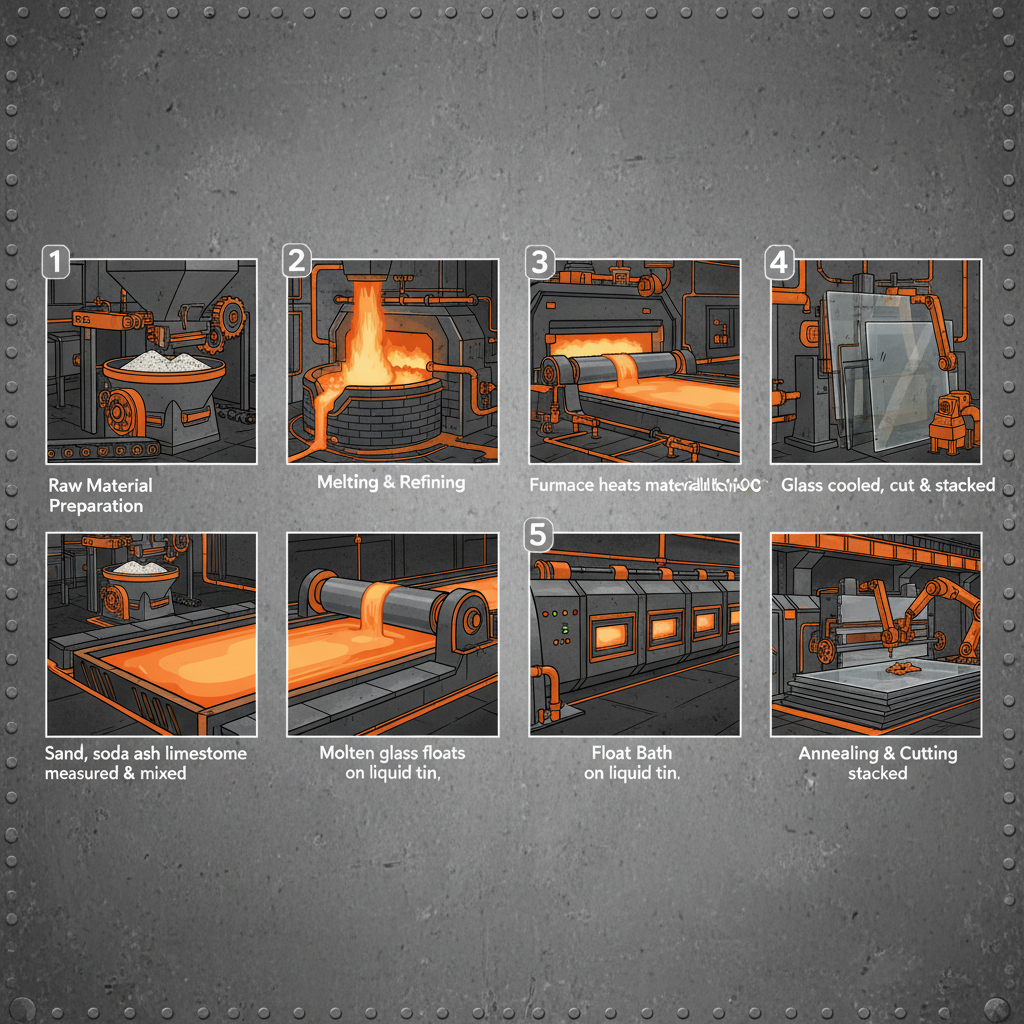
Tin bath float glass is a revolutionary manufacturing process for creating high-quality flat glass, fundamentally transforming the glass industry. Its impact extends far beyond simple windowpanes, influencing architectural design, automotive safety, and countless technological applications. Understanding the nuances of this process is crucial for professionals in construction, engineering, and materials science, as well as for anyone interested in the innovation driving modern infrastructure.
The global demand for tin bath float glass continues to rise, fueled by urbanization, infrastructure development, and the increasing need for energy-efficient building materials. According to the UN, global construction output is projected to reach $18 trillion by 2030, a significant portion of which will rely on the consistent supply of high-quality glass. This growth presents both opportunities and challenges, requiring ongoing advancements in production technology and sustainable manufacturing practices.
The fundamental advantage of tin bath float glass lies in its superior optical clarity, flatness, and strength compared to older glass manufacturing methods. This reliability is paramount in applications demanding precision and safety, contributing significantly to the functionality and aesthetics of modern society. Its versatility makes it a core component in various fields, from residential buildings to advanced optical instruments.
Introduction to tin bath float glass
The invention of the tin bath float glass process in the 1950s by Pilkington revolutionized glass manufacturing. Prior to this, glass production was costly and yielded inconsistent results. The process involves pouring molten glass onto a bed of molten tin, creating a perfectly flat surface due to the glass's buoyancy and the tin's density.
This method eliminated the need for grinding and polishing, significantly reducing production costs and enhancing glass quality. The resulting glass is exceptionally flat, smooth, and free of distortions, making it ideal for a wide range of applications, including windows, mirrors, and automotive glass. tin bath float glass is a cornerstone of modern construction.
The Science Behind the Float
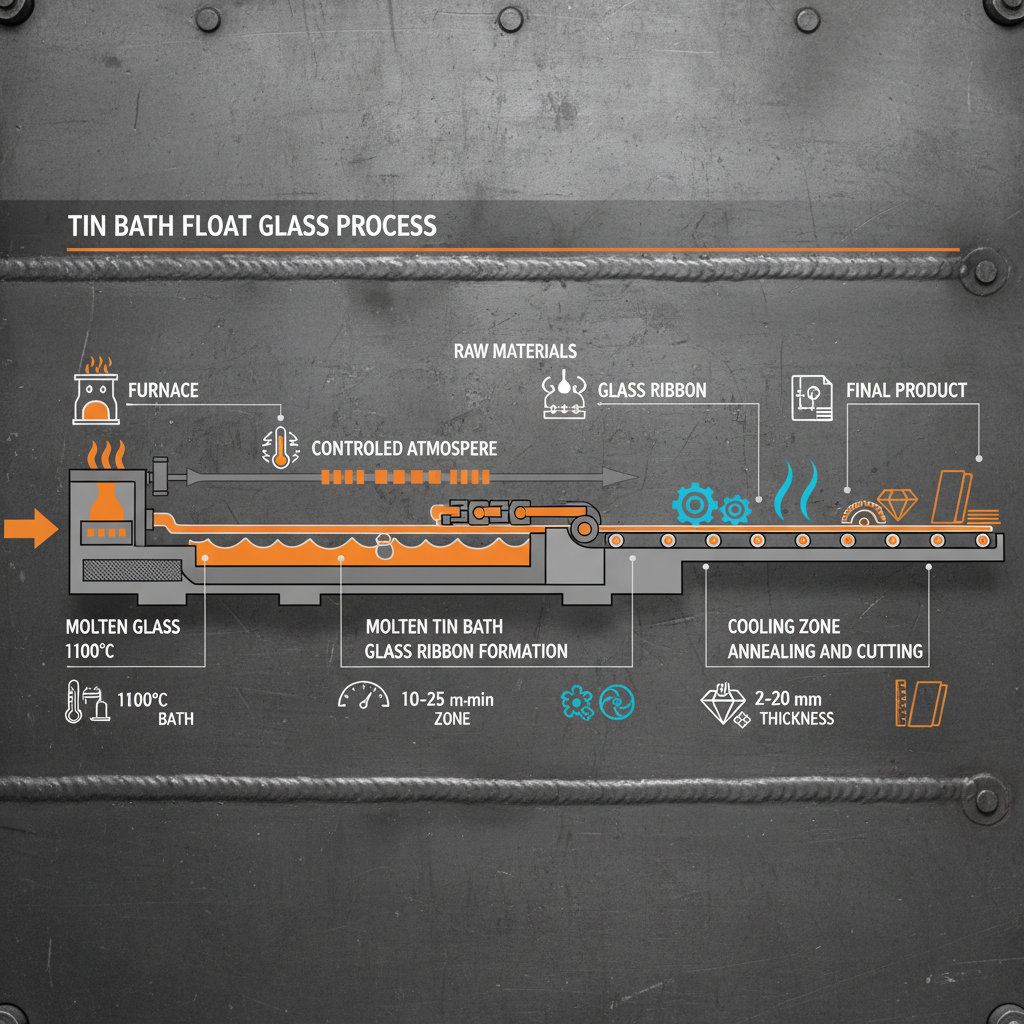
The core principle behind tin bath float glass relies on the immiscibility of glass and tin, and the density difference between the two. Molten glass, typically a mixture of silica, soda ash, and limestone, is poured onto the surface of molten tin. Because glass is less dense than tin, it floats, spreading out evenly under the influence of gravity and surface tension.
The molten tin provides a perfectly flat and level surface, dictating the flatness of the glass. Controlled cooling ensures the glass solidifies without distortions. The entire process takes place in a protective atmosphere, usually nitrogen, to prevent oxidation and maintain the purity of the tin and the glass.
The composition of the glass batch, the temperature of the tin bath, and the cooling rate are all meticulously controlled to achieve the desired glass properties, such as thickness, strength, and optical clarity. This scientific precision is what distinguishes tin bath float glass from its predecessors.
Key Components of the Tin Bath Process
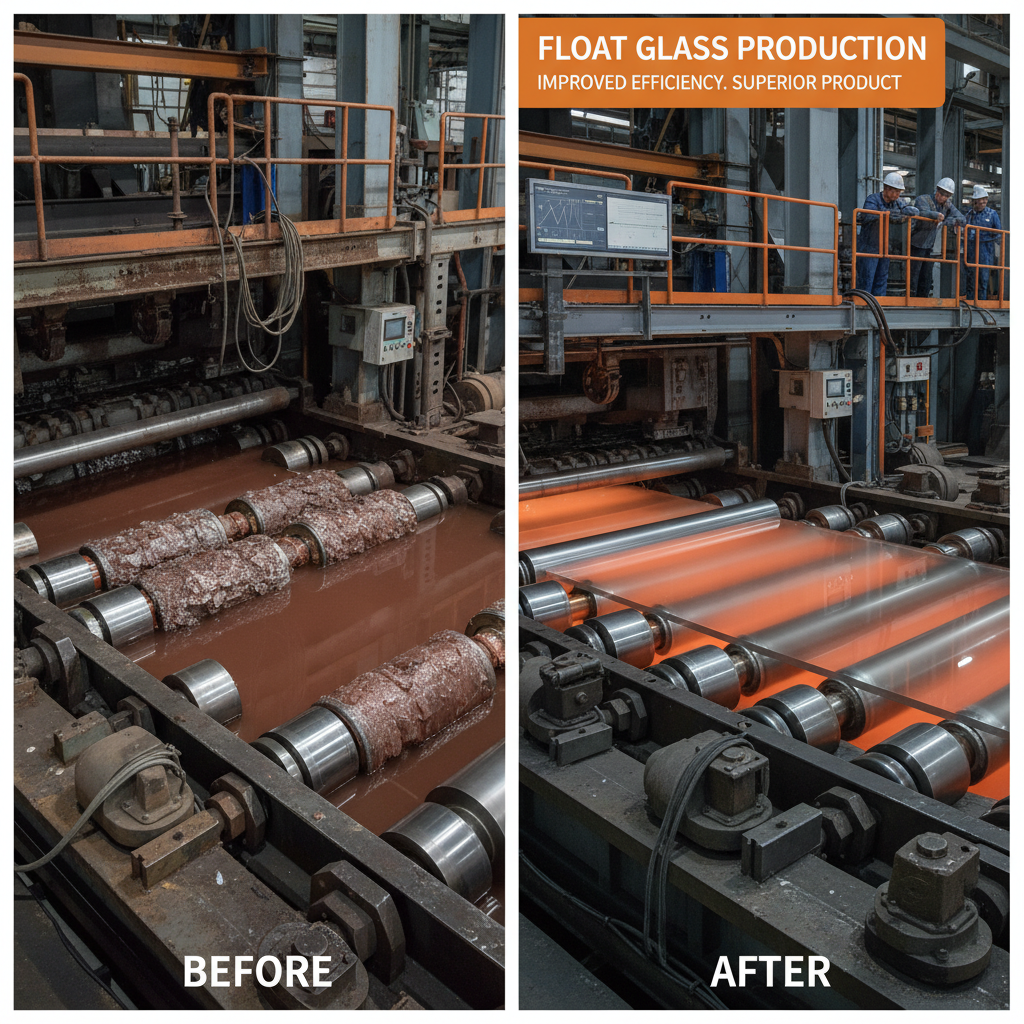
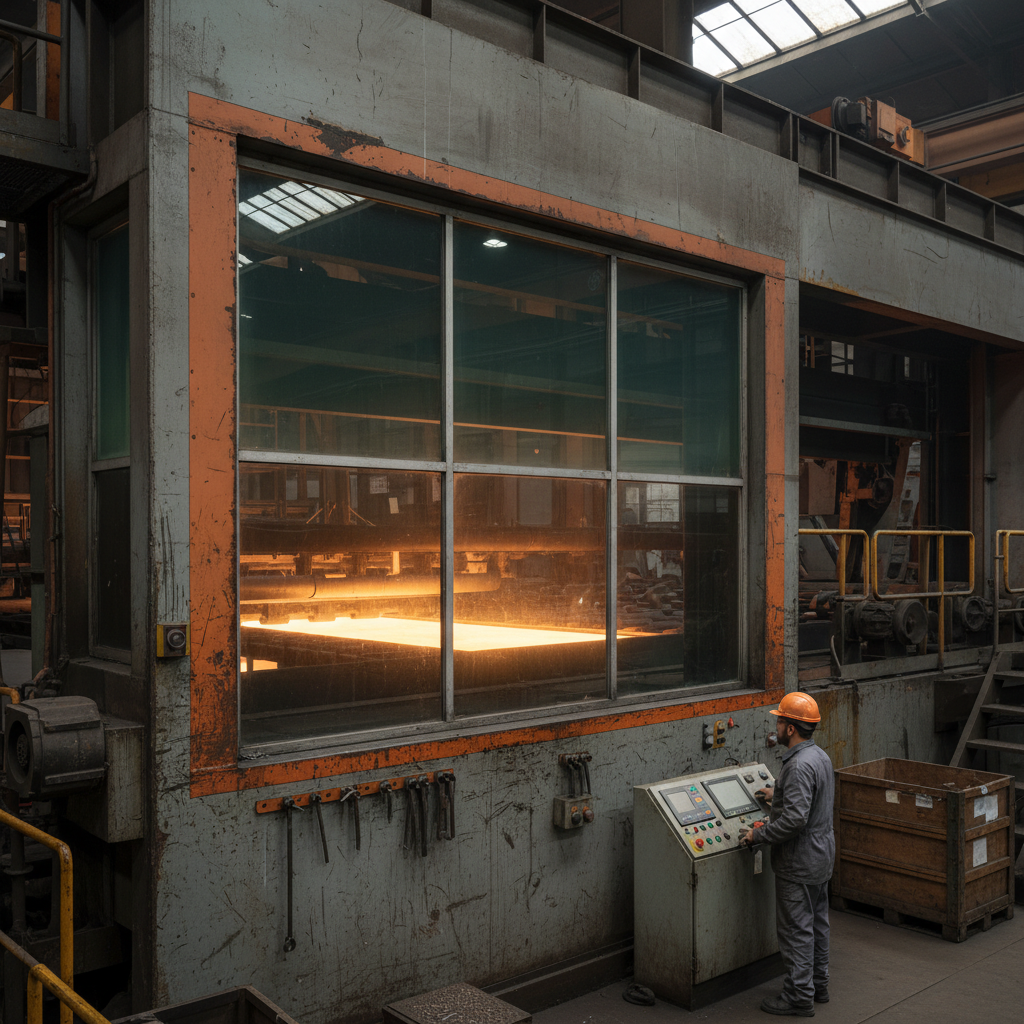
Several key components contribute to the successful operation of a tin bath float glass line. The furnace, where the glass batch is melted, is a crucial element, requiring precise temperature control and efficient energy utilization. The tin bath itself, typically a large, enclosed tank, is constructed from refractory materials to withstand the extreme heat and corrosive nature of molten tin.
Atmosphere control is paramount, employing nitrogen gas to create an oxygen-free environment that prevents oxidation and ensures the quality of the glass and the tin. The cooling section, where the glass ribbon solidifies, utilizes precisely controlled air jets to regulate the cooling rate and minimize thermal stress.
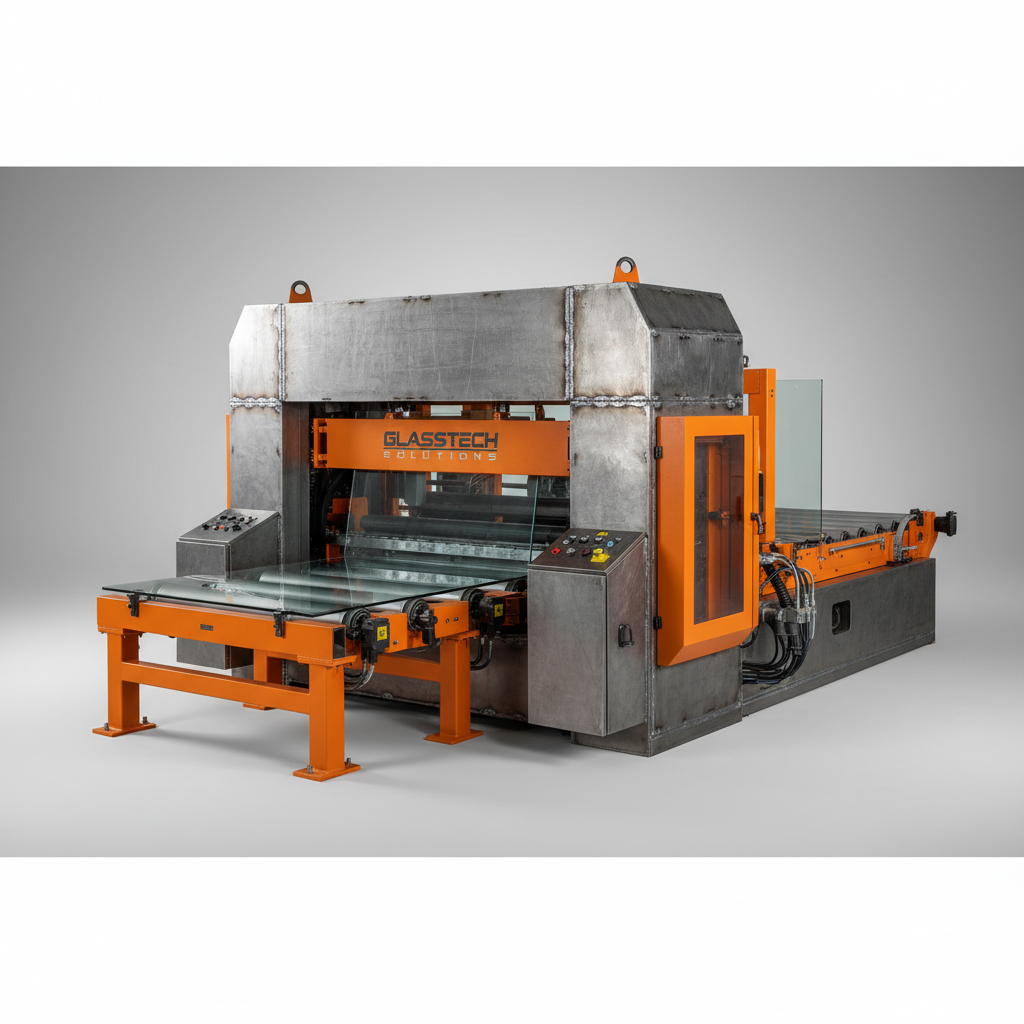
Finally, the cutting and quality control systems automatically cut the continuous glass ribbon into desired sizes and inspect for defects, ensuring that only high-quality glass reaches the market. Modern facilities often integrate advanced sensor technology and automation to optimize the entire process.
Performance Characteristics of tin bath float glass
Tin bath float glass exhibits exceptional flatness, a critical property for applications like architectural glazing and display screens. Its high optical clarity, stemming from the homogenous structure created by the floating process, ensures minimal distortion and maximum light transmission.
The glass demonstrates excellent strength and durability, resisting scratches and impacts. Furthermore, it possesses superior thermal stability, minimizing expansion and contraction with temperature fluctuations, reducing the risk of cracking or breakage.
Comparison of tin bath float glass Properties
Global Applications Across Industries
The versatility of tin bath float glass makes it essential across numerous industries. In architecture, it's used for windows, facades, and interior partitions, providing natural light, thermal insulation, and aesthetic appeal. The automotive industry relies on it for windshields, side windows, and rear windows, prioritizing safety and visibility.
Beyond these core applications, tin bath float glass finds use in solar energy systems, providing a protective cover for solar panels; in furniture manufacturing, for table tops and shelving; and in the production of mirrors, displays, and optical instruments. This widespread adoption is a testament to its superior qualities and cost-effectiveness.
Advantages and Long-Term Value Proposition
The economic benefits of tin bath float glass are substantial. Its efficient manufacturing process and durability translate to lower lifecycle costs for buildings and products. Environmentally, it contributes to energy savings through improved thermal insulation, reducing reliance on heating and cooling systems.
Socially, the enhanced safety and comfort provided by high-quality glass improve the living and working environments. The ongoing innovations in glass technology, such as low-emissivity coatings and self-cleaning surfaces, further amplify these benefits, enhancing value for consumers and businesses alike.
The reliability of tin bath float glass fosters trust among architects, engineers, and consumers, making it a preferred material for critical applications demanding safety and performance.
Future Trends and Innovations in Float Glass
The future of tin bath float glass lies in sustainable manufacturing practices and advanced functionalities. Researchers are exploring the use of alternative raw materials to reduce the carbon footprint of glass production. The integration of smart technologies, such as electrochromic coatings that adjust light transmission based on external conditions, is gaining momentum.
Digitalization and automation are also transforming the industry, enabling precise control over the manufacturing process and optimizing energy efficiency. Furthermore, innovations in glass recycling are crucial for promoting a circular economy and minimizing waste. tin bath float glass manufacturers are investing heavily in these areas.
The development of thinner, lighter, and more durable glass is also a key focus, opening up new possibilities for applications in flexible displays, advanced packaging, and lightweight transportation.
Summary of Challenges and Solutions in tin bath float glass Production
| Challenge |
Impact on Production |
Proposed Solution |
Implementation Cost (1-10) |
| High Energy Consumption |
Increased operational costs; Environmental impact |
Implement energy-efficient furnace designs and waste heat recovery systems |
7 |
| Tin Bath Corrosion |
Reduced tin bath lifespan; Glass quality issues |
Utilize corrosion-resistant alloys; Optimized atmosphere control |
8 |
| Defect Detection |
Reduced product yield; Quality control challenges |
Implement advanced automated inspection systems with AI |
6 |
| Raw Material Variability |
Inconsistent glass properties; Production fluctuations |
Establish strict quality control standards for raw materials; Supplier diversification |
5 |
| Skilled Labor Shortage |
Operational inefficiencies; Difficulty maintaining quality |
Invest in employee training programs; Automation of repetitive tasks |
4 |
| Waste Glass Management |
Environmental concerns; Disposal costs |
Improve glass recycling infrastructure; Develop innovative reuse applications |
3 |
FAQS
Tin bath float glass offers superior flatness, clarity, and strength compared to older methods like hand-blowing or drawing. It eliminates the need for grinding and polishing, reducing costs and improving efficiency. The continuous process also allows for consistent quality and large-scale production, making it ideal for modern architectural and automotive applications.
The composition of the glass batch – primarily silica, soda ash, and limestone – directly influences properties like melting temperature, viscosity, and chemical durability. Adding specific oxides, such as boron oxide for thermal shock resistance or iron oxide for color, allows manufacturers to tailor the glass to specific applications. Precise control of the batch composition is crucial for maintaining consistent quality.
Nitrogen gas is essential for creating a protective atmosphere within the tin bath. It prevents oxidation of the molten tin and the glass, maintaining their purity and preventing the formation of undesirable defects. The nitrogen atmosphere also helps control the cooling rate of the glass ribbon, influencing its final properties and minimizing thermal stress.
Quality control is integrated throughout the entire process, starting with raw material inspection and continuing through the melting, floating, cooling, and cutting stages. Automated inspection systems utilize cameras and sensors to detect defects like bubbles, scratches, and distortions. Statistical process control techniques are used to monitor and adjust key parameters to ensure consistent quality.
Tin bath float glass production is energy-intensive and generates emissions. Environmental considerations include reducing energy consumption through efficient furnace designs, minimizing emissions through advanced filtration systems, and maximizing glass recycling to reduce waste. Ongoing research focuses on developing more sustainable raw materials and production processes.
Future innovations are expected to focus on incorporating smart functionalities, such as self-cleaning coatings and electrochromic windows. Research is also underway to develop thinner, lighter, and more durable glass, as well as to utilize alternative raw materials and improve recycling processes. Digitalization and automation will play a key role in optimizing production and enhancing quality.
Conclusion
Tin bath float glass has fundamentally transformed the glass industry, providing a material with exceptional quality, versatility, and cost-effectiveness. Its applications span a wide range of sectors, from architecture and automotive to solar energy and advanced technologies. The continuous advancements in production processes and material science promise even greater innovation and sustainability in the years to come.
Looking ahead, the future of tin bath float glass will be shaped by a commitment to environmental responsibility, digitalization, and the development of smart functionalities. By embracing these trends, the industry can ensure that tin bath float glass continues to play a vital role in building a more sustainable and technologically advanced world. For more information about our tin bath float glass products, visit our website: www.chinamirrorglass.com.