Low iron float glass represents a significant advancement in glass manufacturing, offering exceptional clarity and light transmission. Its growing importance stems from a wide range of applications, from architectural marvels to high-tech solar energy systems. Understanding the properties and benefits of low iron float glass is crucial for industries seeking superior performance and aesthetic appeal in their glass components.
Globally, the demand for high-performance glass is escalating, driven by increasing construction activities, renewable energy initiatives, and a rising focus on energy efficiency. Low iron float glass directly addresses these needs by minimizing light absorption, leading to brighter, more vibrant spaces and enhanced efficiency in solar panel performance. According to the UN Environment Programme, sustainable building materials are key to reducing carbon emissions, and low iron glass contributes significantly to this goal.
This specialized glass plays a critical role in addressing challenges related to light transmission, color accuracy, and structural integrity across diverse applications. From minimizing glare in automotive windshields to maximizing sunlight penetration in greenhouses, low iron float glass unlocks possibilities for innovation and efficiency previously unattainable with conventional glass.
Defining Low Iron Float Glass
Low iron float glass is a specialized type of glass manufactured with a reduced iron content compared to standard float glass. This seemingly small change has a profound impact on its optical properties, specifically its clarity and color neutrality. Conventional float glass contains iron oxide impurities that absorb certain wavelengths of light, giving it a slight greenish tint.
The significance of this technology lies in its ability to provide a truly transparent substrate for applications where accurate color representation and maximum light transmission are paramount. This makes low iron float glass essential for modern industries demanding precision and aesthetic excellence.
The Global Relevance of Low Iron Glass
The global demand for low iron float glass is rapidly increasing, fueled by several key factors. The architectural industry's shift towards larger glass facades and curtain walls necessitates glass that minimizes color distortion and maximizes natural light. Simultaneously, the renewable energy sector relies heavily on low iron glass for solar panel cover glass, boosting efficiency by allowing more sunlight to reach the photovoltaic cells.
Emerging economies in Asia-Pacific, particularly China and India, are experiencing substantial growth in construction and infrastructure development, driving the demand for high-quality glass products. Furthermore, stringent building codes and energy efficiency standards worldwide are promoting the adoption of materials like low iron glass that contribute to sustainable building practices. Data from the International Energy Agency shows that building sector energy consumption accounts for over 30% of global energy demand, making energy-efficient glass crucial for reducing this figure.
This global relevance extends beyond economic factors. The need for clear, durable, and efficient glass in critical infrastructure, healthcare facilities, and transportation systems further underscores the importance of low iron float glass. Its ability to enhance both functionality and aesthetics makes it a versatile material for a wide range of applications worldwide.
Understanding the Composition of Low Iron Float Glass
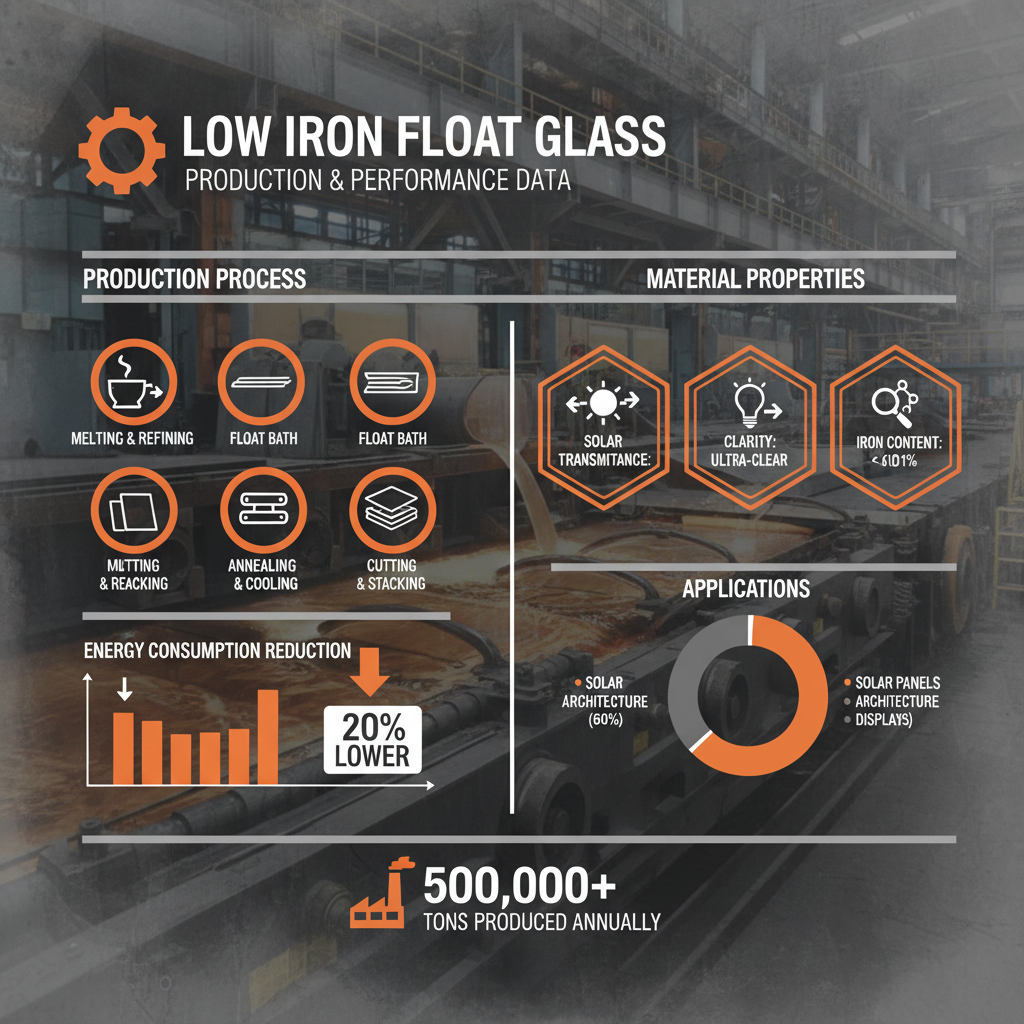
The primary difference between standard float glass and low iron float glass lies in the raw materials used during production. While standard float glass typically contains around 0.1% iron oxide, low iron glass reduces this to less than 0.01%. This reduction is achieved through careful selection of silica sand and other raw materials, as well as refined melting processes that minimize iron contamination.
The manufacturing process itself is also crucial. Low iron float glass often requires specialized furnaces and techniques to prevent re-oxidation of the iron during melting. These advanced processes, combined with rigorous quality control measures, ensure the production of glass with exceptionally low iron content and superior optical clarity. The resulting product exhibits a higher level of light transmission and minimal color distortion.
The precise control over the iron content and manufacturing process directly translates into the superior performance characteristics of low iron float glass. This makes it a preferred choice for applications demanding high transparency, color accuracy, and minimal light absorption.
Key Properties and Characteristics
Low iron float glass boasts several key properties that set it apart from conventional glass. The most notable is its high light transmission rate, typically exceeding 91%, compared to around 88-90% for standard float glass. This increased transmission allows for brighter spaces and enhanced visual clarity.
Another significant characteristic is its exceptional color neutrality. By minimizing the iron content, the greenish tint inherent in standard float glass is virtually eliminated, resulting in a true-to-life color representation. This is particularly important for applications where color accuracy is critical, such as museums, art galleries, and high-end retail displays.
Comparison of Low Iron Float Glass Properties
Real-World Applications of Low Iron Glass
The applications of low iron float glass are diverse and expanding. In the architectural sector, it's used for creating stunning glass facades, skylights, and curtain walls that maximize natural light while maintaining color accuracy. High-end retail stores and art galleries utilize it to showcase products and artwork in their truest colors.
The solar energy industry is a major consumer of low iron glass, employing it as the cover glass for solar panels. Its high transparency allows more sunlight to reach the photovoltaic cells, increasing energy conversion efficiency. In the automotive industry, it’s used for windshields and panoramic sunroofs, reducing glare and providing clearer visibility.
Advantages and Long-Term Value
The benefits of using low iron float glass extend beyond superior performance. It contributes to energy savings by maximizing natural light, reducing the need for artificial lighting. Its durability and resistance to weathering ensure a long service life, minimizing maintenance and replacement costs.
From a sustainability perspective, low iron glass supports green building practices and reduces the carbon footprint of construction projects. The enhanced aesthetic appeal it provides also adds value to properties, increasing their marketability and desirability. Choosing low iron glass is an investment in quality, efficiency, and long-term value.
Furthermore, the increased transparency and color accuracy provided by low iron glass can positively impact the well-being of building occupants, creating brighter, more inviting spaces that promote productivity and comfort.
Future Trends and Innovations
The future of low iron float glass is focused on even greater efficiency and sustainability. Research and development efforts are underway to further reduce iron content and enhance light transmission capabilities. Nanotechnology is being explored to create self-cleaning coatings that minimize maintenance and maximize light penetration.
Integration with smart glass technologies, such as electrochromic and thermochromic glass, promises to unlock dynamic control over light and heat transmission, creating responsive and energy-efficient building envelopes. The increasing demand for sustainable materials will likely drive the adoption of recycled and bio-based materials in the production of low iron glass.
Digital fabrication techniques, like 3D glass printing, could enable the creation of complex geometries and customized glass components, expanding the applications of low iron glass in architectural design and beyond.
Core Analysis of Challenges and Solutions in Low Iron Float Glass Production
| Challenge |
Impact on Low Iron Glass Quality |
Potential Solution |
Implementation Cost (1-10) |
| Raw Material Impurities |
Increased Iron Content, Reduced Transparency |
Advanced Silica Sand Purification Techniques |
7 |
| Furnace Contamination |
Re-oxidation of Iron, Color Distortion |
Specialized Furnace Linings & Inert Gas Atmosphere |
8 |
| Quality Control Inconsistencies |
Variable Iron Content Across Batches |
Automated Spectrophotometry & Real-Time Monitoring |
6 |
| High Production Costs |
Limited Market Accessibility |
Process Optimization & Economies of Scale |
5 |
| Transportation & Handling |
Damage & Defects |
Protective Packaging & Optimized Logistics |
4 |
| Environmental Impact |
Energy Consumption & Emissions |
Renewable Energy Sources & Carbon Capture Technologies |
9 |
FAQS
The primary difference lies in the iron content. Standard float glass contains approximately 0.1% iron oxide, giving it a slightly greenish hue. Low iron glass reduces this to less than 0.01%, resulting in higher clarity and a more neutral color rendition. This makes low iron glass ideal for applications where accurate color transmission and maximum light are crucial, like solar panels and high-end displays. Essentially, the lower iron content minimizes light absorption and distortion.
Yes, low iron glass generally costs more than standard float glass. This is due to the more stringent raw material selection and the specialized manufacturing processes required to reduce the iron content. While the initial investment may be higher, the long-term benefits – such as increased light transmission, improved aesthetics, and potential energy savings – often outweigh the added cost, making it a valuable choice for projects prioritizing quality and performance.
Several applications significantly benefit from low iron glass. These include architectural glazing where true color representation is desired, solar panel cover glass to maximize energy capture, aquariums for optimal visibility, museums and art galleries for accurate color display, and high-end retail spaces to enhance product presentation. Essentially, any application demanding clarity, color accuracy, and high light transmission is an ideal candidate.
Absolutely. Low iron float glass can undergo the same processing as standard float glass, including tempering, laminating, coating, and insulating. These processes enhance its safety, durability, and energy efficiency without compromising its exceptional clarity and color neutrality. It’s common to find low iron glass used in laminated safety glass for skylights or tempered for use in demanding architectural applications.
Low iron glass significantly improves solar panel efficiency. Its high transparency allows more sunlight to reach the photovoltaic cells, increasing energy conversion rates. By minimizing light absorption, it maximizes the amount of usable energy generated by the panel. This is especially critical for high-performance solar installations where even a small increase in efficiency can result in substantial energy savings over the panel's lifespan.
The quality of low iron glass is typically assessed based on several key parameters, including its iron content (measured in parts per million), light transmission percentage, and color neutrality (assessed using spectrophotometry). Manufacturers adhere to strict quality control standards to ensure consistency and meet industry specifications. These parameters guarantee that the glass delivers the expected performance benefits in its intended application.
Conclusion
In conclusion, low iron float glass is a sophisticated material offering superior clarity, color accuracy, and light transmission compared to conventional glass. Its diverse applications, ranging from architectural marvels to renewable energy solutions, demonstrate its growing importance in modern industries. The benefits extend beyond performance, encompassing energy savings, enhanced aesthetics, and a commitment to sustainable building practices.
As technology continues to advance, we can expect even further innovations in low iron glass manufacturing, leading to increased efficiency, reduced costs, and expanded applications. Embracing this technology is not just about choosing a superior material; it’s about investing in a brighter, more sustainable future. Visit our website at www.chinamirrorglass.com to explore our range of low iron glass solutions and discover how they can benefit your project.