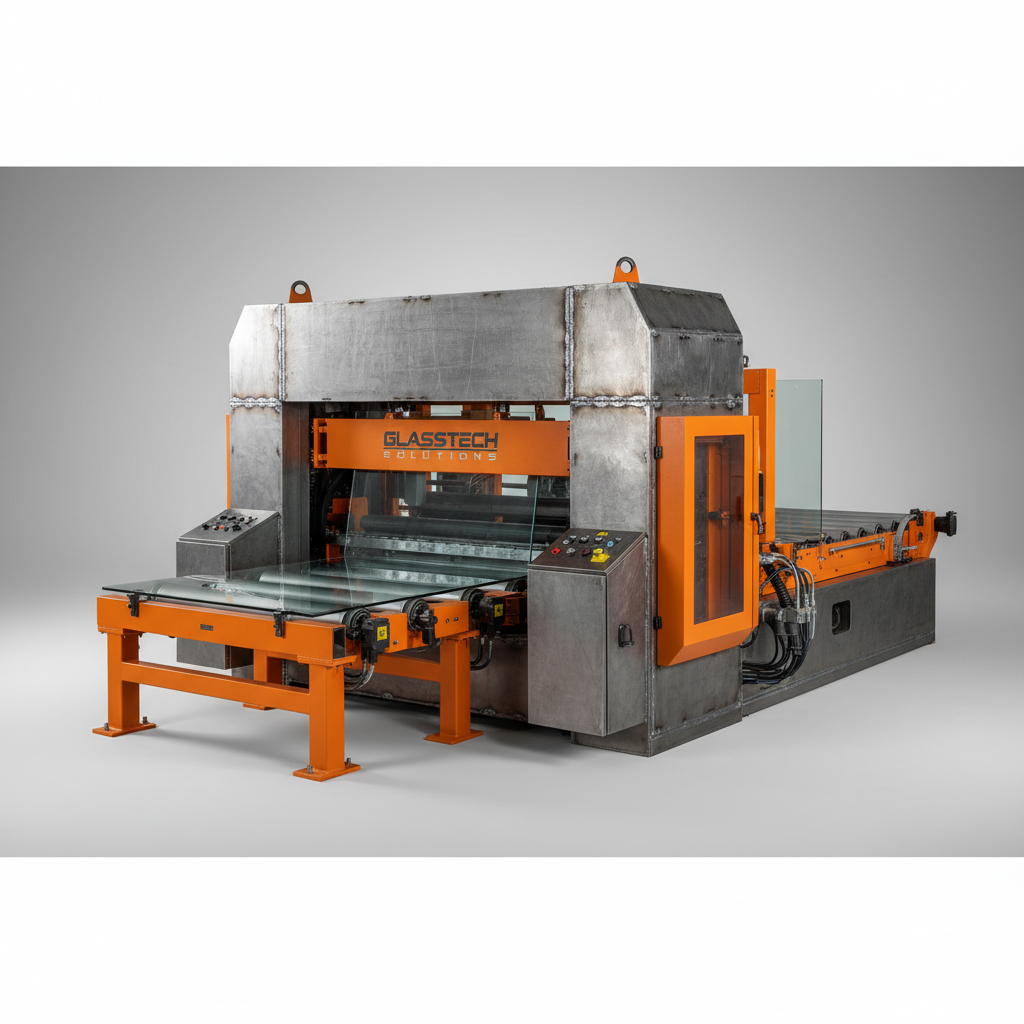
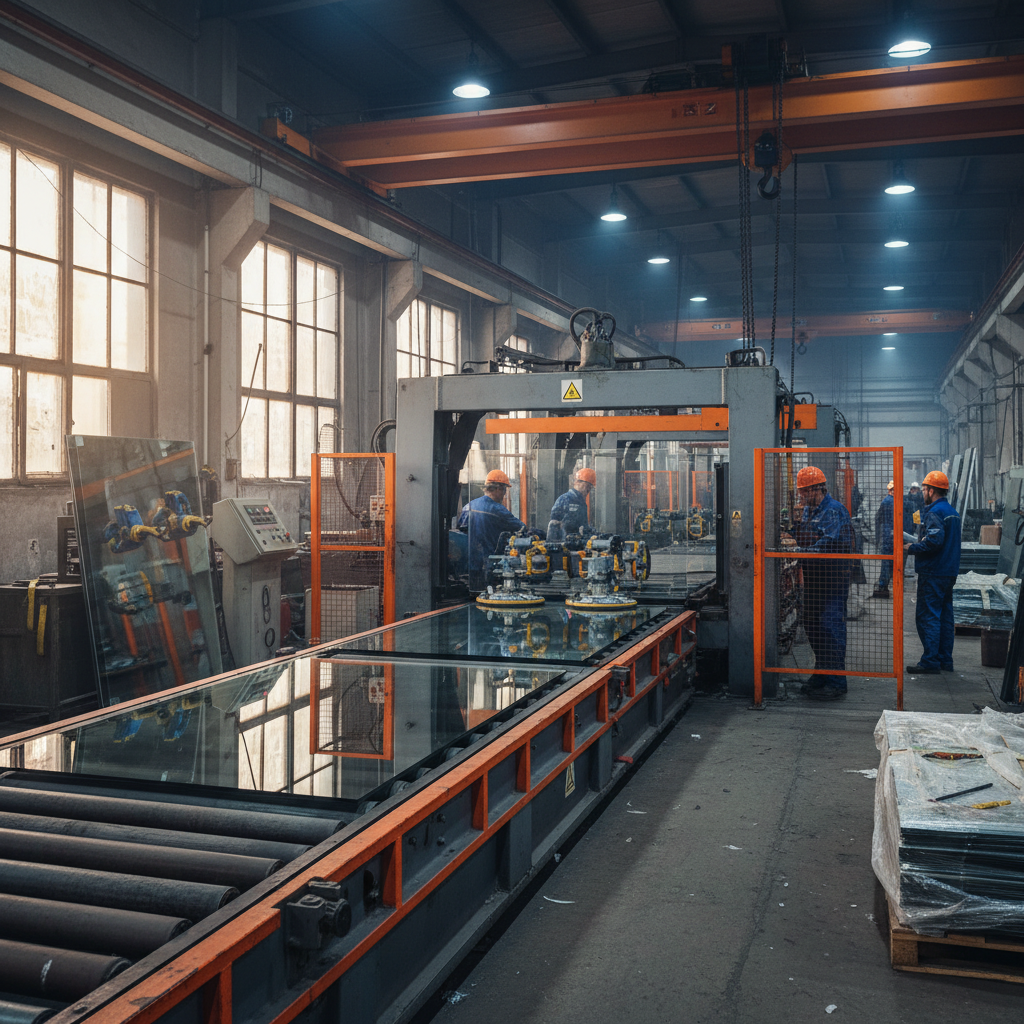
Toughened float glass stands as a cornerstone material in modern construction and a multitude of other applications. Its inherent strength and safety characteristics are increasingly vital in a world demanding greater resilience and security. Understanding its production, properties, and applications is crucial for architects, engineers, manufacturers, and anyone involved in specifying or utilizing glass products. The global demand for this versatile material continues to grow, driven by rising construction activities and evolving safety standards.
The widespread adoption of toughened float glass is not merely a matter of architectural preference; it’s a direct response to a global need for materials that can withstand extreme conditions and minimize risk. From the soaring skyscrapers of urban centers to the protective barriers in transportation systems, its presence is ubiquitous. This reliance highlights the importance of continuous innovation in production techniques and exploration of new applications to meet increasingly stringent performance requirements.
Furthermore, advancements in toughened float glass production are increasingly focused on sustainability and reducing environmental impact. Innovative coatings and manufacturing processes are minimizing energy consumption and waste, contributing to a more environmentally responsible building industry. This shift reflects a broader global trend towards sustainable materials and practices, further solidifying toughened float glass’s position as a vital component of future development.
The Significance of Toughened Float Glass
Toughened float glass has become an indispensable material in the modern world, offering a unique combination of strength, safety, and versatility. Its importance stems from its ability to provide reliable performance in demanding environments, protecting lives and property. The continued demand reflects a global focus on safety regulations and the desire for aesthetically pleasing, high-performance building materials.
The increasing awareness of structural safety and energy efficiency drives the growing usage of toughened float glass. This material’s resistance to breakage and its ability to withstand high temperatures make it an ideal choice for a wide range of applications, from automotive windshields to architectural facades. As construction and infrastructure projects expand worldwide, the role of toughened float glass will undoubtedly become even more critical.
Understanding Toughened Float Glass
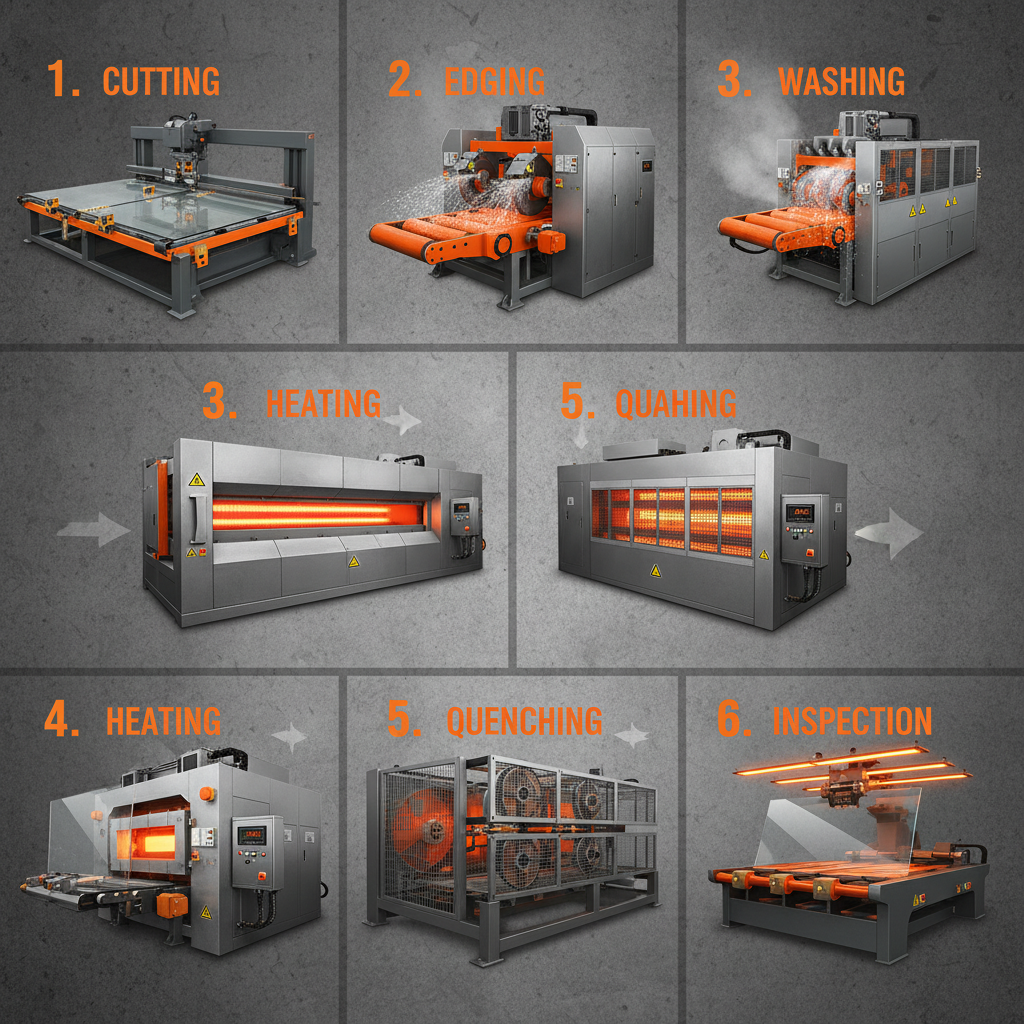
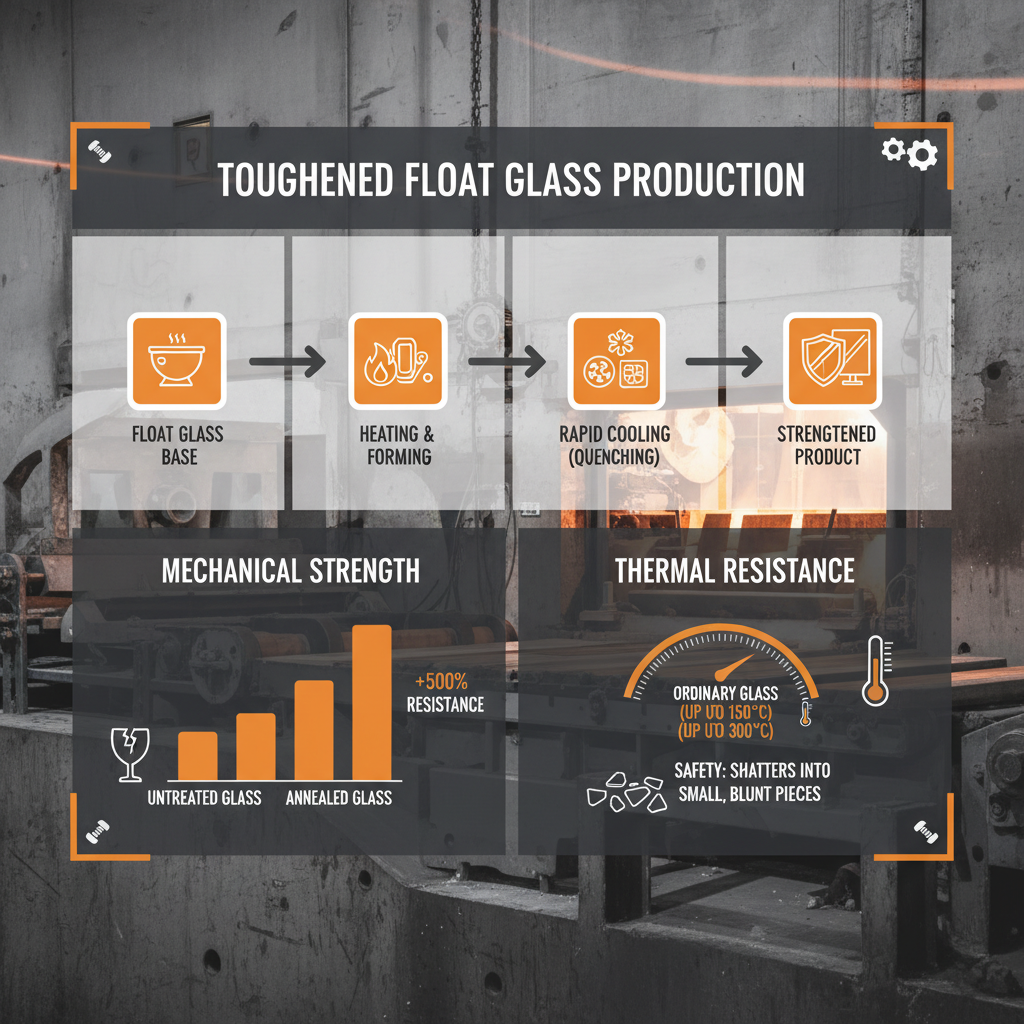
Toughened float glass, also known as tempered glass, is a type of safety glass manufactured through a controlled thermal tempering process. This process involves heating the float glass to a high temperature and then rapidly cooling it. This rapid cooling creates a compressive stress on the surface of the glass, significantly increasing its strength and resistance to impact. Unlike standard float glass, toughened float glass doesn’t shatter into large, sharp pieces when broken, but instead breaks into small, relatively harmless fragments.
The ‘float’ in toughened float glass refers to the manufacturing process where molten glass is floated on a bed of molten tin, creating a perfectly flat surface. This process, combined with tempering, results in a superior product suitable for a variety of applications demanding enhanced safety and structural integrity. This process is critical for providing consistent quality and dimensional accuracy.
Its connection to modern industry stems from the continuous need for safer and more durable materials in construction, automotive, and other sectors. The ability to withstand significant stress and reduce the risk of injury upon breakage makes it a fundamental component in creating secure and dependable environments.
Key Properties of Toughened Float Glass
The defining characteristic of toughened float glass is its exceptional strength, approximately four to five times greater than that of annealed (standard) float glass. This heightened strength is a direct result of the tempering process, which induces compressive stresses on the surface. These stresses require a significantly higher level of force to overcome, making it highly resistant to breakage.
Another crucial property is its safety. When broken, toughened float glass disintegrates into small, relatively harmless granular pieces. This significantly reduces the risk of severe injuries compared to the sharp, jagged shards produced by breaking conventional glass. This safety feature is a primary reason for its widespread use in applications where human contact is likely, such as doors, windows, and shower enclosures.
Furthermore, toughened float glass exhibits excellent thermal stability. It can withstand temperature fluctuations far exceeding those tolerated by standard glass, making it suitable for applications exposed to extreme heat or cold. This property is particularly important in automotive applications, where windshields are subjected to rapid temperature changes.
Durability and Performance Characteristics
The durability of toughened float glass is not only determined by its strength but also its resistance to environmental factors. It's highly resistant to scratching, corrosion, and chemical attack, ensuring a long service life even in harsh conditions. This durability translates into reduced maintenance costs and increased longevity for structures and products utilizing this material.
Performance-wise, toughened float glass maintains its optical clarity while offering improved resistance to deformation. This is crucial in architectural applications where maintaining visual aesthetics is paramount. It allows for large glass panels to be used without compromising structural integrity or visual appeal.
Performance Comparison of Toughened Float Glass Manufacturing Methods
Global Applications of Toughened Float Glass
The applications of toughened float glass are incredibly diverse, spanning numerous industries and geographical locations. In architecture, it's utilized for curtain walls, windows, doors, and skylights, providing both safety and aesthetic appeal. High-rise buildings increasingly rely on its strength to withstand wind loads and seismic activity.
In the automotive industry, toughened float glass is essential for windshields and side windows, offering passengers enhanced protection in the event of an accident. Beyond these core applications, it's found in furniture, appliances, solar panels, and even electronic devices, showcasing its versatility and widespread demand. From urban centers to remote industrial zones, its presence is pervasive.
Advantages and Long-Term Value
The advantages of using toughened float glass extend beyond its immediate safety and durability benefits. It offers significant cost savings over the long term due to its reduced maintenance requirements and extended lifespan. Its energy efficiency also contributes to lower heating and cooling costs in buildings. The safety benefits alone justify the investment, as reducing the risk of injury translates into lower insurance premiums and potential liability claims.
From a social impact perspective, toughened float glass enhances safety and security, providing peace of mind to occupants of buildings and passengers in vehicles. This sense of security fosters trust and confidence, contributing to a more positive and productive environment. The innovative nature of its production and continuous improvements in its properties highlight a commitment to technological advancement and sustainable building practices.
Future Trends in Toughened Float Glass Technology
The future of toughened float glass is focused on innovation and sustainability. Research is underway to develop even stronger and more durable formulations, incorporating new materials and manufacturing techniques. Smart glass technologies, which allow for adjustable transparency and thermal control, are being integrated with toughened float glass, opening up new possibilities for energy efficiency and building design.
The incorporation of nanotechnology promises further enhancements, such as self-cleaning coatings and improved resistance to scratches. Furthermore, the industry is actively exploring more environmentally friendly production processes, reducing carbon emissions and minimizing waste. These advancements will solidify toughened float glass’s position as a cornerstone material in a rapidly evolving world.
FAQS
While both toughened and laminated glass are safety glasses, they differ in their breakage patterns. Toughened glass shatters into small, relatively harmless pieces, while laminated glass consists of two or more layers bonded together by a plastic interlayer. When broken, laminated glass holds together, preventing complete collapse and offering enhanced security. Therefore, toughened glass prioritizes safety from sharp shards, whereas laminated glass focuses on maintaining structural integrity.
Toughened float glass, with proper installation and maintenance, can last for decades. Its durability and resistance to environmental factors contribute to a lifespan exceeding 50 years in many applications. However, factors such as exposure to extreme weather conditions, severe impacts, or improper handling can reduce its longevity. Regular inspection and prompt repair of any minor damage are essential to maximize its lifespan.
Yes, toughened float glass is typically more expensive than standard float glass due to the additional manufacturing process required to achieve its enhanced strength and safety characteristics. The tempering process adds to the production costs, and the specialized handling also contributes to the higher price. However, the long-term benefits of increased safety, durability, and reduced maintenance often outweigh the initial cost difference.
No, toughened glass cannot be cut, drilled, or altered in any way after it has been tempered. Doing so will compromise its strength and cause it to shatter. All cutting, drilling, and other modifications must be performed before the glass undergoes the tempering process. Therefore, precise measurements and careful planning are crucial before ordering toughened glass.
Toughened float glass is essential in applications where safety is paramount. Common uses include: building doors and windows (especially in high-traffic areas), shower enclosures, glass railings, automotive windshields and side windows, furniture (tabletops, shelves), and appliance doors. Its resistance to breakage and safety features make it the preferred choice for these applications.
Generally, increasing the thickness of toughened glass significantly enhances its strength and impact resistance. Thicker glass provides greater compressive stress on the surface, allowing it to withstand higher forces before breaking. The appropriate thickness will depend on the specific application and the level of protection required. Consulting with a glass specialist is recommended to determine the optimal thickness for a given project.
Conclusion
In conclusion, toughened float glass represents a significant advancement in materials technology, offering a unique combination of strength, safety, and versatility. Its widespread adoption across diverse industries underscores its importance in creating safer, more durable, and aesthetically pleasing structures and products. From architectural marvels to everyday appliances, toughened float glass plays a critical role in enhancing our lives and protecting our environment.
Looking ahead, continued innovation in manufacturing processes, coupled with the integration of smart glass technologies, promises to further expand the applications and benefits of toughened float glass. By embracing sustainable practices and prioritizing safety, the industry can ensure that this vital material continues to contribute to a more secure and sustainable future. For all your toughened float glass needs, visit our website: www.chinamirrorglass.com